Emergencies
Burst pipe — what to do right now
Water pouring out? Shut off your water main first. Then use the steps below to stay safe, limit damage, understand likely costs, and get connected with a licensed, insured 24/7 plumber near you.
First 5 minutes — shut off your water
If water is flooding, stopping it comes first. Here's the fastest safe order.
- 1 Shut off the water main. Find your main shut-off valve — usually where the water line enters, near the street, the basement, or the meter — and turn it fully clockwise to stop the flow.
- 2 Stay safe. Keep clear of standing water near outlets or appliances. If you smell gas or see water near electrical panels, leave and call emergency services first.
- 3 Limit the damage. Open a low faucet to drain the lines, move valuables, and soak up water you can reach safely. Take a few photos for your records.
- 4 Get a licensed plumber. Get matched, free, with a licensed 24/7 plumber near you. Ask for the price in writing before work starts — you compare and choose who to hire.
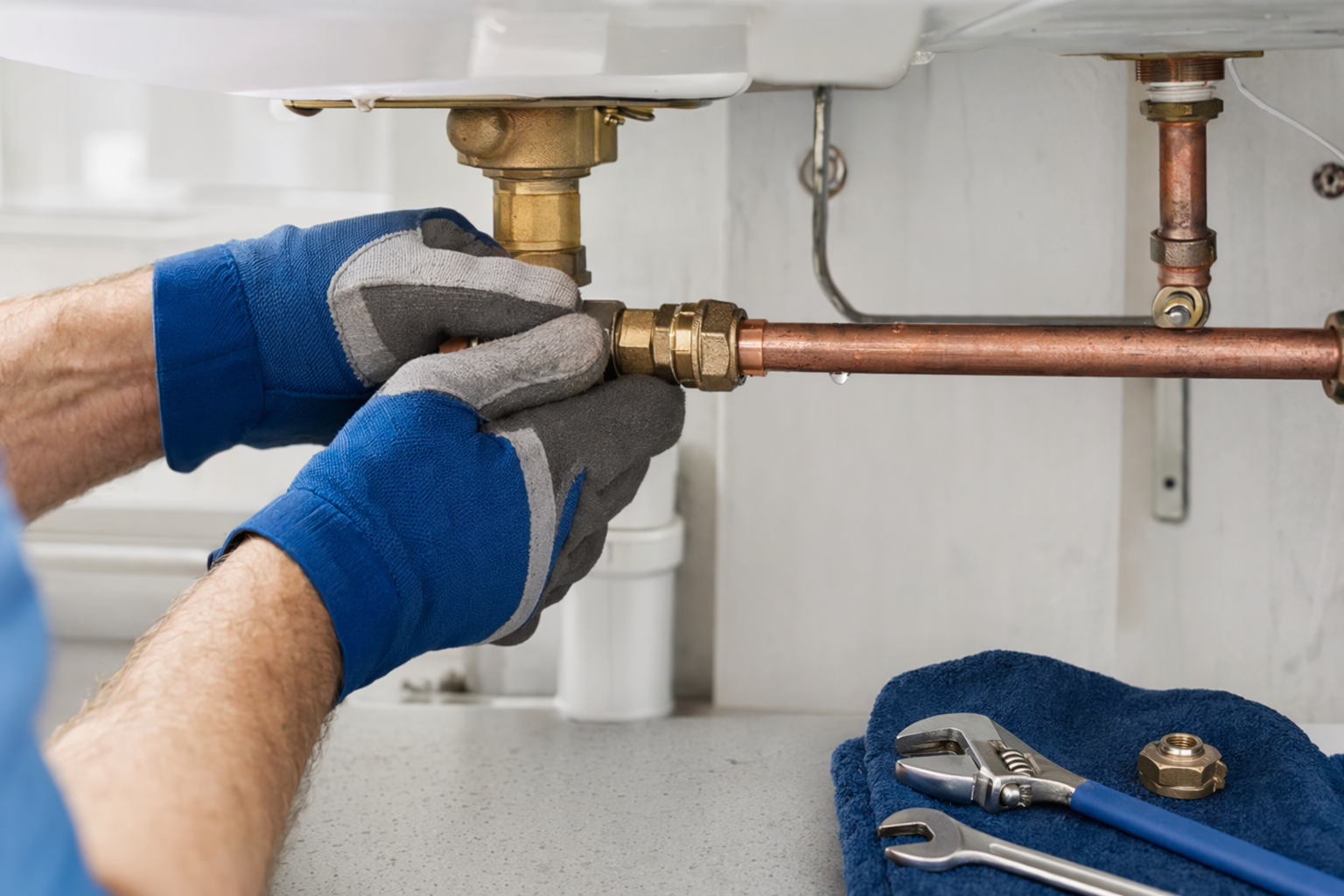
What to do right now
- Shut off your main water valve now. If you do not know where it is, check this quick guide: how to shut off your water.
- If water is near outlets, cords, appliances, or your electrical panel, leave that area and call your local emergency number first. Do not step in water near live electricity.
- If you smell gas, leave right away and call your local emergency number. Do not use switches, flames, or devices inside.
- Open a cold faucet at the lowest point you can safely reach to help drain some water from the pipes.
- Move people, pets, rugs, boxes, and small furniture away from the water if you can do it safely.
- Take a few photos or short videos for your records, then call for a licensed, insured emergency plumber.
A burst pipe is usually a real plumbing emergency because damage can spread fast into walls, floors, and ceilings.
MainLine Match is a free matching service, not a plumbing company. We do not do plumbing work, but we can help connect you with a licensed, insured 24/7 plumber near you through get matched.
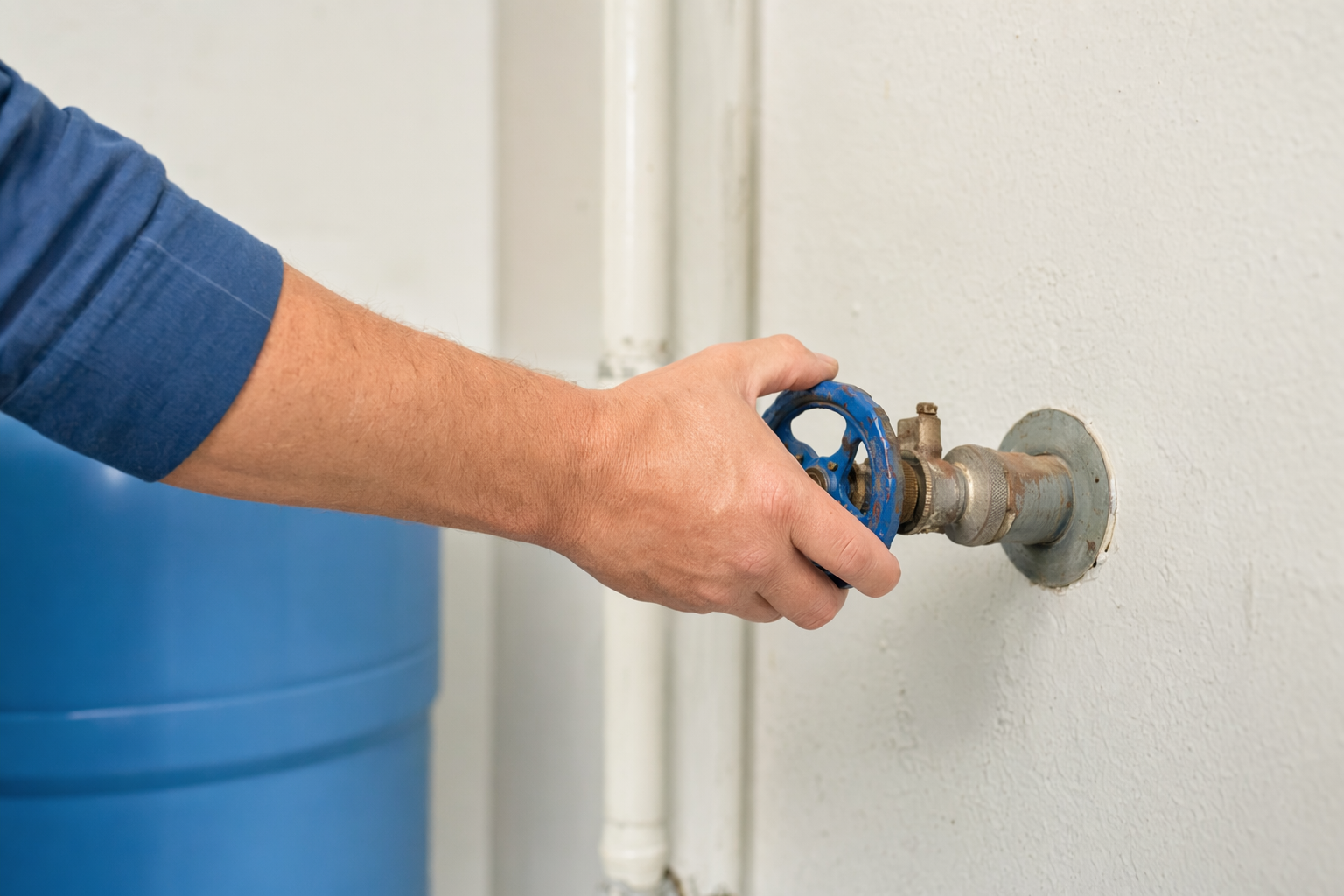
Is this a true emergency or can it wait?
Usually, a burst pipe is an emergency now, not a tomorrow problem. Even a small split can release a lot of water quickly, especially if the break is in a supply line under pressure.
Call for urgent help now if water is still coming out, a ceiling is bulging, water is reaching light fixtures or outlets, you have no water in part of the home after a pipe failure, or the leak is inside a wall, slab, or crawlspace.
It may be less urgent only if the water is fully shut off, the area is dry, and you are dealing with a very slow drip from a known damaged section that is no longer under pressure. Even then, it is smart to have a licensed plumber check it soon because hidden damage can still grow.
- Emergency now: active spraying, flooding, ceiling leak, water near power, hidden pipe break
- Can sometimes wait a little: water fully off, no active flooding, damage contained
What a burst pipe repair may cost
For a simple burst pipe repair, many homeowners may see something like $150 to $500 for a basic fix during normal hours. If the plumber needs to open a wall, replace a longer section of pipe, work after hours, or handle a harder-to-reach area, the total can be more like $500 to $1,500 or higher.
If water damage cleanup, drywall repair, flooring replacement, or mold work is needed, those costs are separate and can raise the total a lot. If the burst happened in a slab, behind tile, in a ceiling, or in old corroded piping, the price can go up further.
These are general ranges, not quotes. The real price depends on the exact problem, the pipe material, how easy it is to reach, what parts are needed, the time of day, and your area. After-hours, weekend, and holiday calls often cost more. You can read more general pricing on costs.
Before work starts, ask for the price in writing. Be careful with vague pricing, scare tactics, cash-only demands, no proof of license or insurance, or pressure to approve a very large repair immediately.
Why pipes burst
A pipe can burst for a few different reasons. In colder areas, freezing is a common cause. Water expands when it freezes, and that pressure can split a pipe. In other homes, older pipes may fail because of corrosion, rust, weak joints, or years of wear.
High water pressure, poor installation, clogs, shifting pipes, accidental damage from drilling or construction, and cracked fittings can also cause a burst. Sometimes the break is obvious under a sink or in a basement. Other times it is hidden behind drywall, under flooring, or above a ceiling.
Common warning signs before or during a burst include a sudden drop in water pressure, banging pipes, wet drywall, bubbling paint, ceiling stains, a sudden spike in your water bill, or the sound of running water when everything is off.
How to get a licensed 24/7 plumber fast
If the water is off and everyone is safe, the next step is to get a licensed, insured plumber to the property as fast as possible. MainLine Match is free for the household. We are not a plumbing company, and we do not perform repairs. We help connect you with participating plumbers near you for emergency calls.
To get matched, we only need basic contact and problem details: your name, phone, optional email, problem type, ZIP code, and preferred language. Start here: get matched. If you want more emergency help topics first, visit emergencies.
When the plumber calls or arrives, ask: Are you licensed and insured? What is the service call charge? What is the estimated repair range? Will there be after-hours charges? What work is included? Get the price in writing before work starts.
You stay in control. You choose who to hire, confirm the price before work begins, and confirm the job is done before paying the final amount.
While you wait for the plumber
Try to keep the damage from spreading, but do not take risks. Use towels, a mop, or a bucket if the area is safe. If you can safely reach valuables, paper records, or electronics, move them to a dry place.
If water came through a ceiling and the ceiling looks swollen, stay out from under it. If the leak affected more than one unit, a common area, or a building system, tell your landlord, building manager, or HOA right away. Rules about responsibility can vary by building and by area.
If you need to leave the home because of safety concerns, do that first. A licensed plumber can tell you what repair is needed and whether other specialists may be needed for drying or restoration.
If a pipe bursts, shut off the main water now, stay away from electrical danger, and get a licensed, insured emergency plumber to check and repair it.
Common questions
My pipe burst and water is everywhere. What is the first thing I should do?
Shut off your main water valve first. If water is near electricity, leave that area and call your local emergency number.
Is a burst pipe always an emergency?
Usually yes, because water damage can spread quickly. If the water is fully off and there is no active leaking, it may be less urgent, but you should still have a licensed plumber inspect it soon.
How much does a burst pipe repair cost?
A basic repair may be around $150 to $500, but more complex work can be $500 to $1,500 or higher. These are general ranges, not quotes, and the real price depends on the problem, parts, time, and area.
Can I use a clamp or tape and wait until morning?
A temporary patch may slow some leaks, but a burst pipe often needs prompt professional repair. If the line is damaged, hidden, or still under pressure, waiting can lead to much more damage.
What information do I need to get matched with a plumber?
Just basic contact and problem details: your name, phone, optional email, problem type, ZIP code, and preferred language. MainLine Match is free for the household.
How do I avoid overpaying during an emergency?
Ask if the plumber is licensed and insured, ask for the price in writing before work starts, and watch for vague pricing, scare tactics, cash-only demands, or pressure to approve a huge repair immediately.