Emergencies
Sewage backup — stay safe and act fast
Stop using water now. A sewage backup is a health hazard, but you can reduce the mess and get help fast.
First 5 minutes — shut off your water
If water is flooding, stopping it comes first. Here's the fastest safe order.
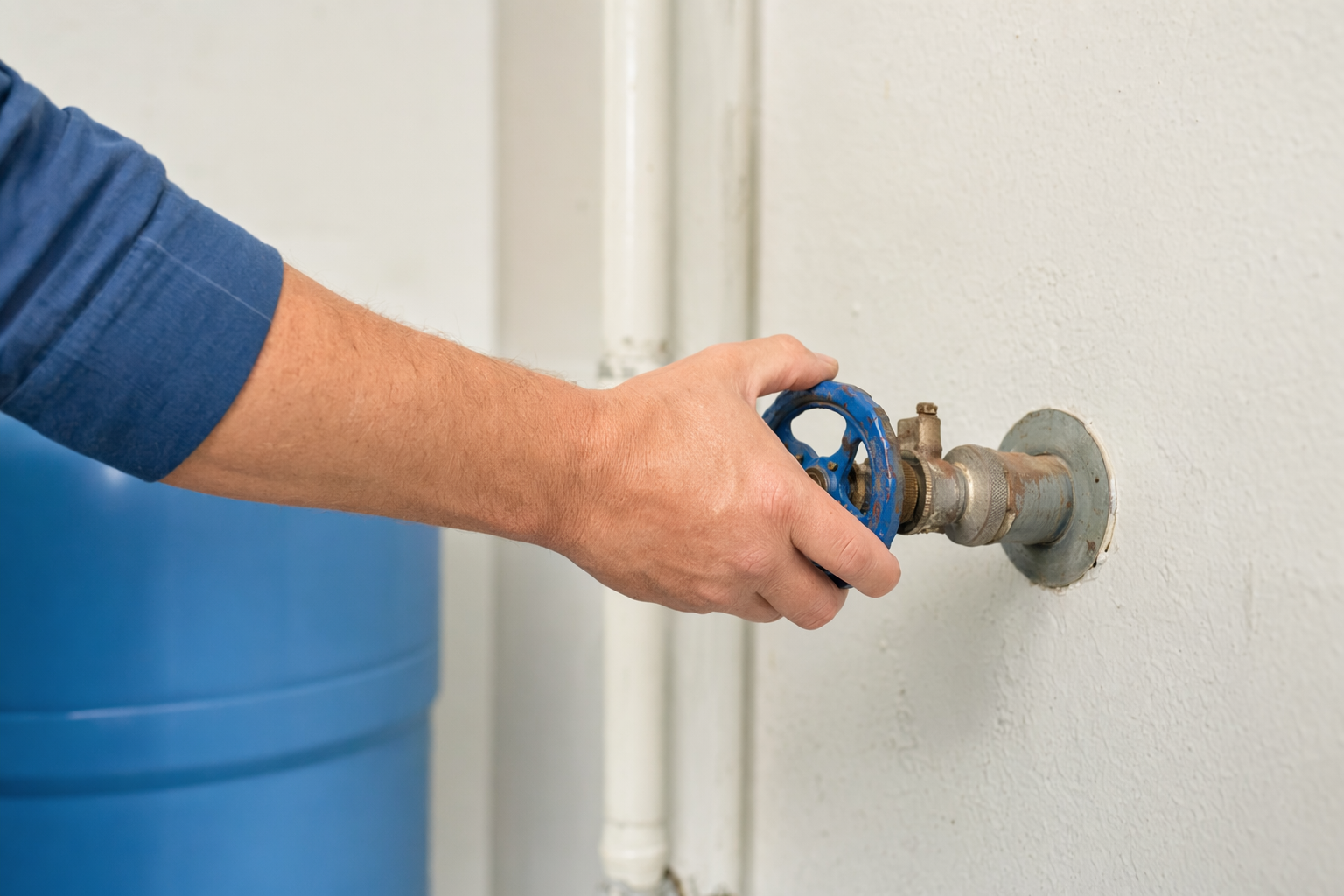
- 1 Shut off the water main. Find your main shut-off valve — usually where the water line enters, near the street, the basement, or the meter — and turn it fully clockwise to stop the flow.
- 2 Stay safe. Keep clear of standing water near outlets or appliances. If you smell gas or see water near electrical panels, leave and call emergency services first.
- 3 Limit the damage. Open a low faucet to drain the lines, move valuables, and soak up water you can reach safely. Take a few photos for your records.
- 4 Get a licensed plumber. Get matched, free, with a licensed 24/7 plumber near you. Ask for the price in writing before work starts — you compare and choose who to hire.
What to do right now
- Stop using all water right away. Do not flush toilets, run sinks, use the shower, dishwasher, or washing machine.
- Keep people and pets out of the area. Sewage can carry harmful bacteria.
- If water is near outlets, cords, or electrical equipment, leave the area and call your local emergency number first.
- If you can do it safely, turn off the home's main water. If you need help finding it, see how to shut off your water.
- Do not touch sewage with bare hands. Wear gloves and boots if you must go near it.
- If it is still rising, move towels, rugs, paper items, and small furniture away from the area if you can do it safely.
- Open a window if possible for airflow, but do not use fans that may spread contamination.
- Get a licensed, insured emergency plumber. You can get matched for free through MainLine Match.
When a sewage backup is a true emergency
Usually, this is an emergency now. If sewage is coming up from a floor drain, toilet, tub, or shower, or if more than one drain is backing up at the same time, do not wait.
Call for urgent plumbing help if sewage is entering the home, toilets overflow when you use other fixtures, the backup is affecting multiple drains, you cannot safely use any bathroom, or the problem is happening in a basement or living area.
It may be less urgent if one toilet is clogged but no other drain is affected and there is no sewage coming onto the floor. Even then, if you are not sure whether it is a simple clog or a sewer problem, it is safer to have a licensed plumber check it.
MainLine Match is a free matching service, not a plumbing company. We do not do plumbing work. We help connect you with licensed, insured, 24/7 emergency plumbers near you.
What a sewage backup may cost
Emergency sewer problems can be expensive, especially at night, on weekends, or if cleanup and damaged parts are involved. A simple drain or sewer clearing may be a few hundred dollars. A more serious blockage, camera inspection, toilet reset, damaged line repair, or after-hours emergency visit can raise the total a lot.
In many areas, homeowners may see rough ranges like:
- Emergency service call: about $100-$350
- Drain or sewer line clearing: about $150-$800+
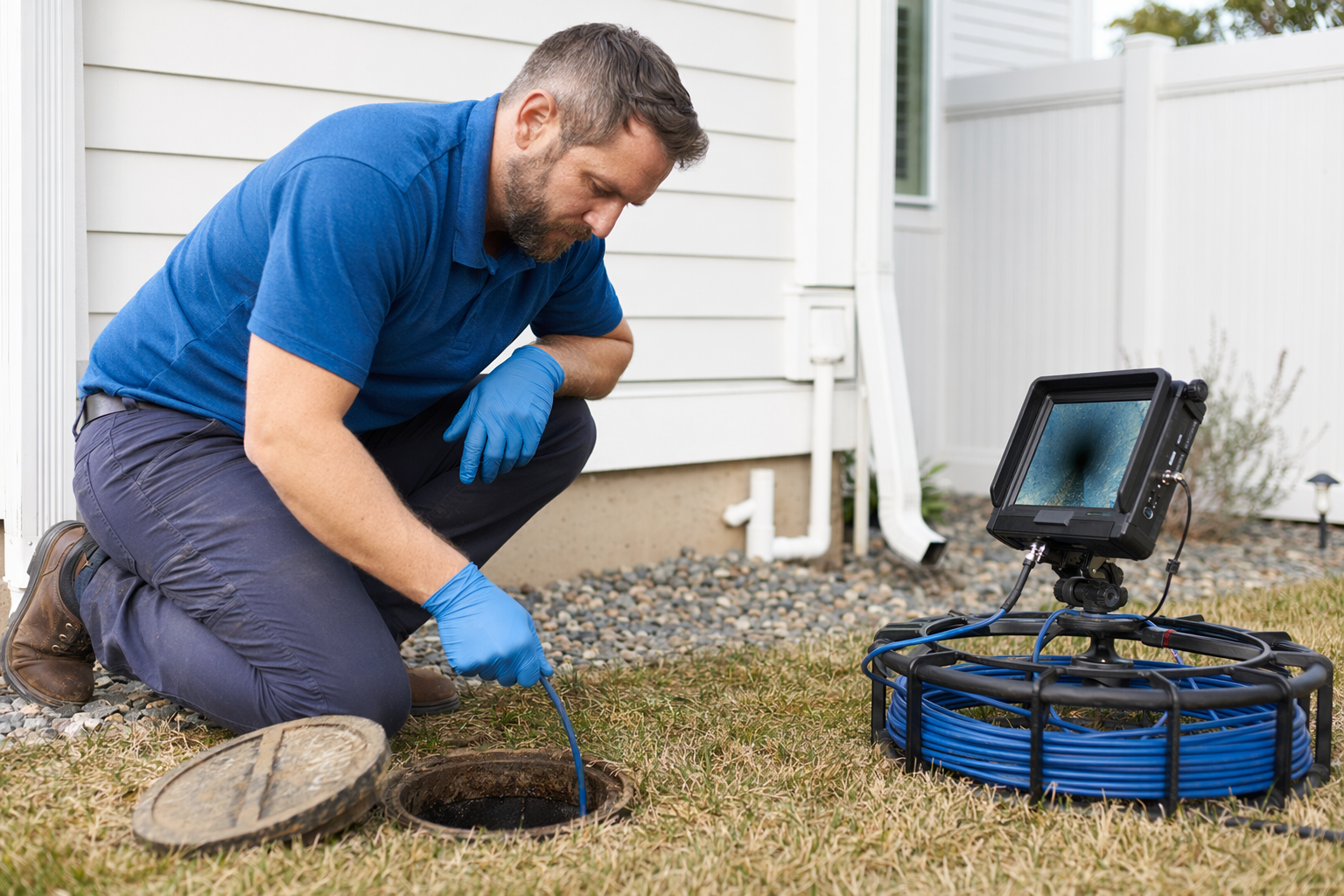
- Camera inspection: about $200-$500+
- Toilet removal and reset if needed for access: about $150-$400+
- Sewer line repair or replacement: often $1,500 to several thousand dollars or more
- Cleanup and sanitation: varies widely depending on how much area was affected
These are general ranges, not quotes. The real number depends on the cause, how bad the backup is, whether it is after hours, what parts or equipment are needed, and your area. Before work starts, ask for the price in writing and ask what is included.
You can read more about typical plumbing costs, but the fastest next step in an active backup is getting an emergency plumber to inspect the cause.
Common causes of sewage backing up
A sewage backup often means wastewater cannot move out through the home's drain or sewer line. The blockage may be inside the home, under the house, or in the line leading out to the street or septic system.
Common causes include:
- A main sewer line clog from wipes, grease, paper buildup, or other debris
- Tree roots growing into an older sewer line
- A damaged, cracked, shifted, or collapsed sewer pipe
- Heavy rain or local sewer system overload in some areas
- Problems with a septic system, ejector pump, or backwater valve where those systems exist
- A severe clog downstream from the fixture, causing wastewater to come back up through the lowest drain
Responsibility can vary by city, utility, landlord-tenant rules, HOA, and where the blockage is located. In some places, the homeowner is responsible for the line from the house to the street. In others, part of the issue may involve the city system. A licensed local plumber can help identify where the problem is, but local rules vary.
How to get a licensed 24/7 plumber fast
If sewage is backing up into the home, tell the plumber or matching service exactly what is happening: where it is coming up, whether multiple drains are affected, whether sewage is on the floor, and whether you have already stopped using water.
With MainLine Match, the service is free for the household. We are not a plumber or contractor. We collect only basic contact and problem details so we can try to connect you with participating plumbers near you: name, phone, optional email, problem type, ZIP code, and preferred language.
When the plumber calls, ask these questions before you agree to work:
- Are you licensed and insured for plumbing in my area?
- What is the emergency visit charge?
- What is the likely price range before work starts?
- Is there an extra after-hours fee?
- Will you provide the price in writing?
Watch for red flags: vague pricing, scare tactics, cash-only demands, no license, or pressure to approve a huge repair immediately without explaining the cause. You stay in control. Confirm the price before work starts, choose who to hire, and confirm the work is done before paying the final amount.
If you need help now, start here: emergency plumbing help or get matched.
- Free for the household
- Available for English and other languages
- Ask for license and insurance before work begins
What not to do during a sewage backup
Do not keep flushing to 'see if it clears.' That usually makes the backup worse.
Do not use chemical drain cleaners for a sewage backup. They often do not fix a main line problem and can make the situation harder and less safe for whoever works on the drain later.
Do not start a big cleanup until the source is stopped. Porous items like rugs, cardboard, and some furniture may not be salvageable if heavily contaminated, but the first priority is stopping more sewage from entering the home.
If you rent, notify your landlord or property manager as soon as you can. If you own the home, take a few photos for your records if it is safe to do so.
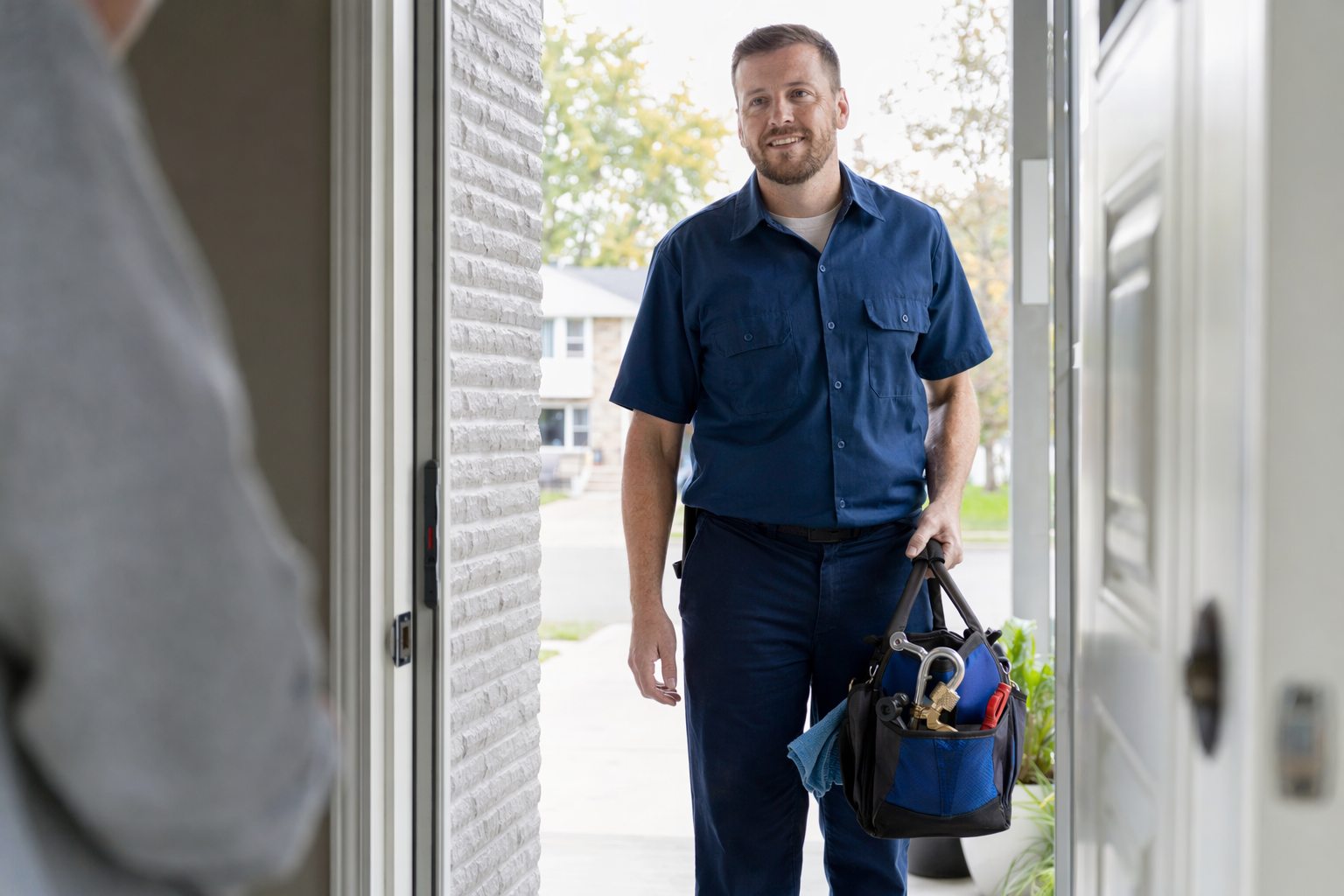
If sewage is backing up, stop using water, stay out of the area, and get a licensed emergency plumber fast.
Common questions
Should I flush again to see if the toilet clears?
No. Stop flushing and stop using all water in the home. More water can make the sewage backup worse.
Is sewage backup dangerous?
Yes. Sewage can carry harmful bacteria and contaminants. Keep people and pets away, avoid contact, and get professional help.
Do I need an emergency plumber if only the basement drain is backing up?
Usually yes, especially if wastewater is coming onto the floor or more than one drain is affected. A basement floor drain backup often points to a larger drain or sewer problem.
How much will an emergency plumber cost for a sewage backup?
It depends on the cause, time of day, equipment needed, parts, and your area. Simple clearing may cost a few hundred dollars, while major sewer repairs can cost much more. Ask for the price in writing before work starts.
Can MainLine Match send a plumber right now?
MainLine Match is a free matching service, not a plumbing company. We can help connect you with participating licensed, insured emergency plumbers near you, but we cannot promise a specific plumber, arrival time, or outcome.
What information do I need to give to get matched?
Just basic contact and problem details: your name, phone, optional email, problem type, ZIP code, and preferred language. We do not need financial account numbers, Social Security numbers, or income information.