Emergencies
Badly clogged drain — what to try and when to call
Start simple: stop using the clogged drain right now. If water is rising, backing up into other drains, or coming onto the floor, get help fast and treat it like an emergency.
First 5 minutes — shut off your water
If water is flooding, stopping it comes first. Here's the fastest safe order.
- 1 Shut off the water main. Find your main shut-off valve — usually where the water line enters, near the street, the basement, or the meter — and turn it fully clockwise to stop the flow.
- 2 Stay safe. Keep clear of standing water near outlets or appliances. If you smell gas or see water near electrical panels, leave and call emergency services first.
- 3 Limit the damage. Open a low faucet to drain the lines, move valuables, and soak up water you can reach safely. Take a few photos for your records.
- 4 Get a licensed plumber. Get matched, free, with a licensed 24/7 plumber near you. Ask for the price in writing before work starts — you compare and choose who to hire.
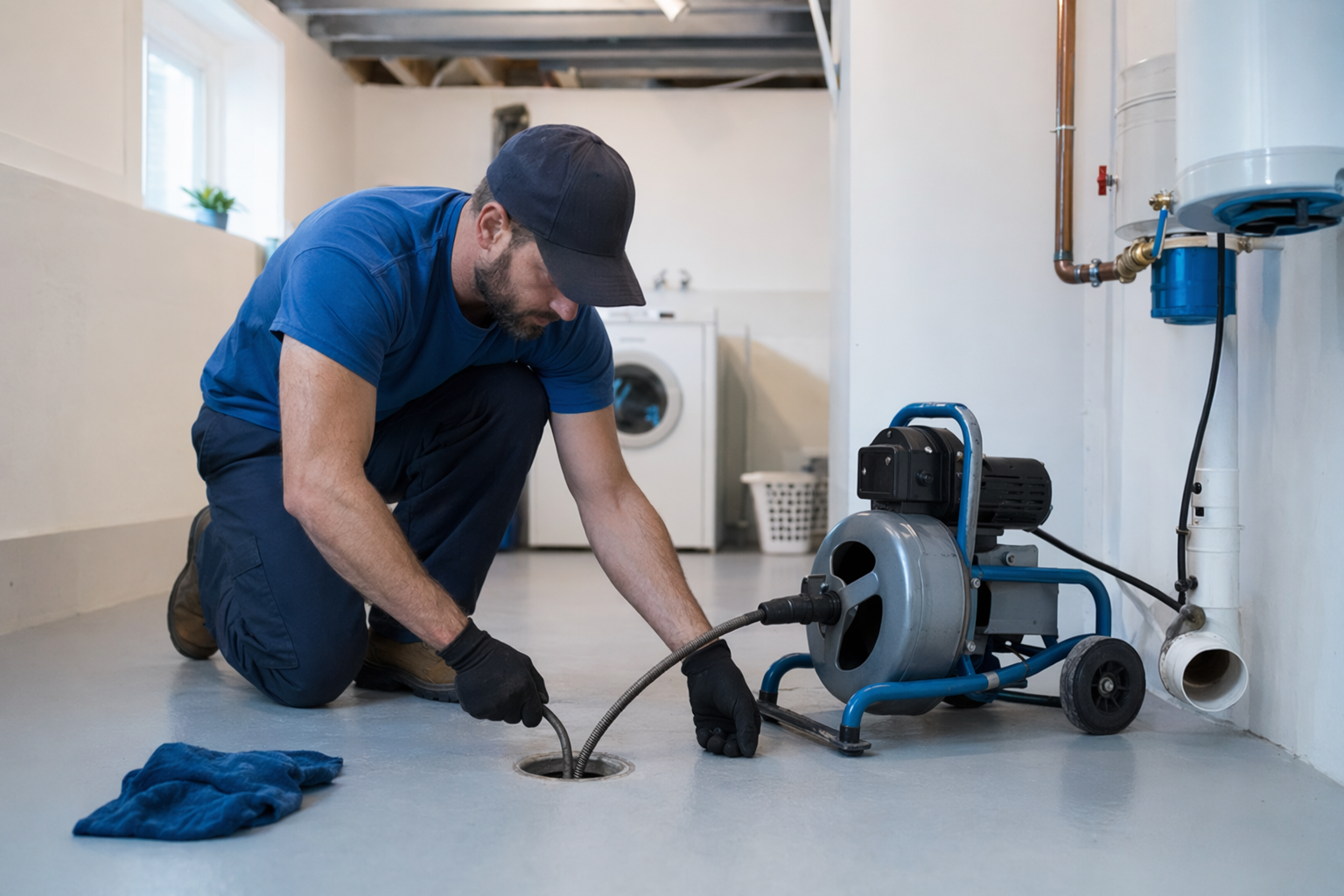
What to do right now
- Stop using that drain, toilet, sink, tub, shower, dishwasher, or washing machine right away. More water can make the backup worse.
- If dirty water or sewage is coming up, keep people and pets away from the area.
- If water is getting near outlets, cords, appliances, or your breaker area, leave the area and call your local emergency number first.
- Put towels, a bucket, or a shallow pan down to limit spread if you can do it safely.
- Try only one safe, simple step: use a plunger on a toilet, sink, or tub drain. Stop if it does not improve quickly.
- Do not pour multiple drain chemicals into the drain, and do not mix cleaners.
- If several drains are backing up, the toilet and tub back up together, or sewage is involved, skip DIY and get matched with a licensed, insured 24/7 plumber.
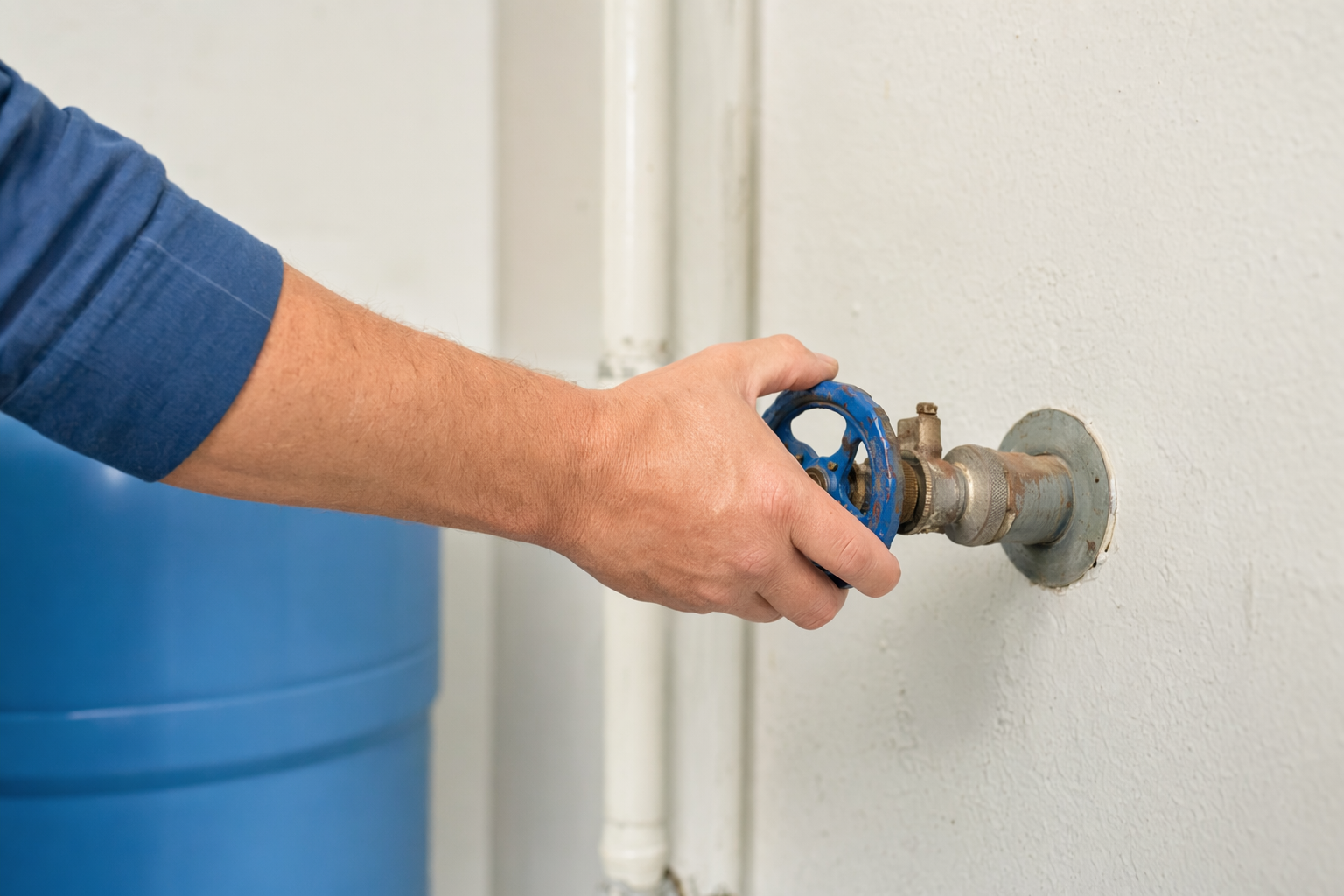
What is safe to try — and what to never do
For a single slow or clogged drain, one careful DIY attempt may be reasonable. A sink or tub plunger can help with a simple clog near the opening. For a bathroom sink, removing visible hair near the stopper may help. For a toilet, use a flange plunger and stop if the bowl looks like it may overflow.
Hot water may help with soap or grease in some kitchen drains, but do not use boiling water on every pipe or fixture. Different plumbing materials and fixtures can react differently, so if you are not sure, stop and call a licensed plumber.
Do not keep flushing a clogged toilet to 'see if it goes down.' Do not run the dishwasher or washing machine if another drain is backed up. Do not use a power auger unless you know exactly how to use it. Do not use chemical drain cleaners after a plunger or snake if a plumber may need to work on the line.
If you smell gas, this is no longer a drain problem. Leave right away and call your local emergency number first.
When a clogged drain is a true emergency
Call for urgent help if wastewater is coming back up into sinks, tubs, showers, or floor drains, especially if it is dirty or smells like sewage. A clog can become an emergency when it affects more than one fixture, keeps returning, or starts causing water damage.
These are common signs you should stop trying home fixes and call a licensed plumber now:
- Sewage backup or dirty water on the floor
- More than one drain clogged at the same time
- Toilet backs up when the shower or sink is used
- Water rises in one fixture when you use another
- A clog in the main drain line
- Water damage, wet walls, or leaking around the base of a fixture
- Anyone in the home cannot safely use the only toilet or sink
A simple, single sink clog may be able to wait a little if there is no overflow, no sewage, and the rest of the plumbing is working. But if you are not sure whether it is one small clog or a bigger line problem, it is smart to get help quickly.
What clogged drain service may cost
For a basic drain clearing visit, many households may see something like $100 to $350 for a simple clog. A tougher clog, toilet augering, or after-hours service may run around $150 to $500 or more. If the problem is in the main sewer line, hydro jetting or camera inspection can raise the total, often into the few hundred to over $1,000 range.
These are general ranges, not quotes. The real price depends on what is clogged, how deep the blockage is, whether it is one fixture or the main line, what equipment is needed, the time of day, the parts, and your area. Nights, weekends, and holidays usually cost more.
Watch for red flags: vague pricing, pressure to approve a very large repair immediately, cash-only demands, no proof of license or insurance, or scare tactics like 'your whole system will fail tonight' without clear explanation. Ask for the price in writing before work starts. You stay in control of whether to approve the work, who to hire, and when to pay the final amount.
You can read more general price information on our costs page.
Common causes of a bad clog
Many serious clogs start with ordinary buildup. In kitchen drains, grease, oil, food scraps, and soap can slowly narrow the pipe. In bathroom drains, hair, soap residue, wipes, and toothpaste buildup are common. In toilets, too much paper, wipes, paper towels, hygiene products, or children's items can block the trap or line.
When several drains back up together, the problem may be deeper in the plumbing system. A main line clog can be caused by buildup, a collapsed pipe, tree roots, or a problem farther down the sewer line. In some areas, responsibility for a sewer line can vary depending on where the problem is located, so the exact answer depends on local rules and the property.
Older homes may have drains that clog more easily because of pipe material, scale, or years of buildup. A clog that keeps coming back often means the blockage was only partly cleared, or there is a larger issue that needs professional diagnosis.
How to get a licensed 24/7 plumber fast
MainLine Match is a free matching service, not a plumbing company, plumber, or contractor. We do not perform plumbing work. We help connect households with licensed, insured plumbers who may offer 24/7 emergency service in their area.
To get matched, we only ask for basic contact and problem details: your name, phone, optional email, problem type, ZIP code, and preferred language. That helps us try to connect you with a nearby plumber who handles drain and sewer backup problems.
Before you agree to service, ask the plumber to confirm the diagnostic or service-call charge, the expected price range, and whether after-hours rates apply. Ask them to verify license and insurance. Get the price in writing before work starts if possible.
If the backup is causing active flooding or you think a larger plumbing problem is building, use get matched now. If you need broader emergency help, visit emergency plumbing help. If a plumbing problem turns into active leaking or flooding, this guide on how to shut off your water may help.
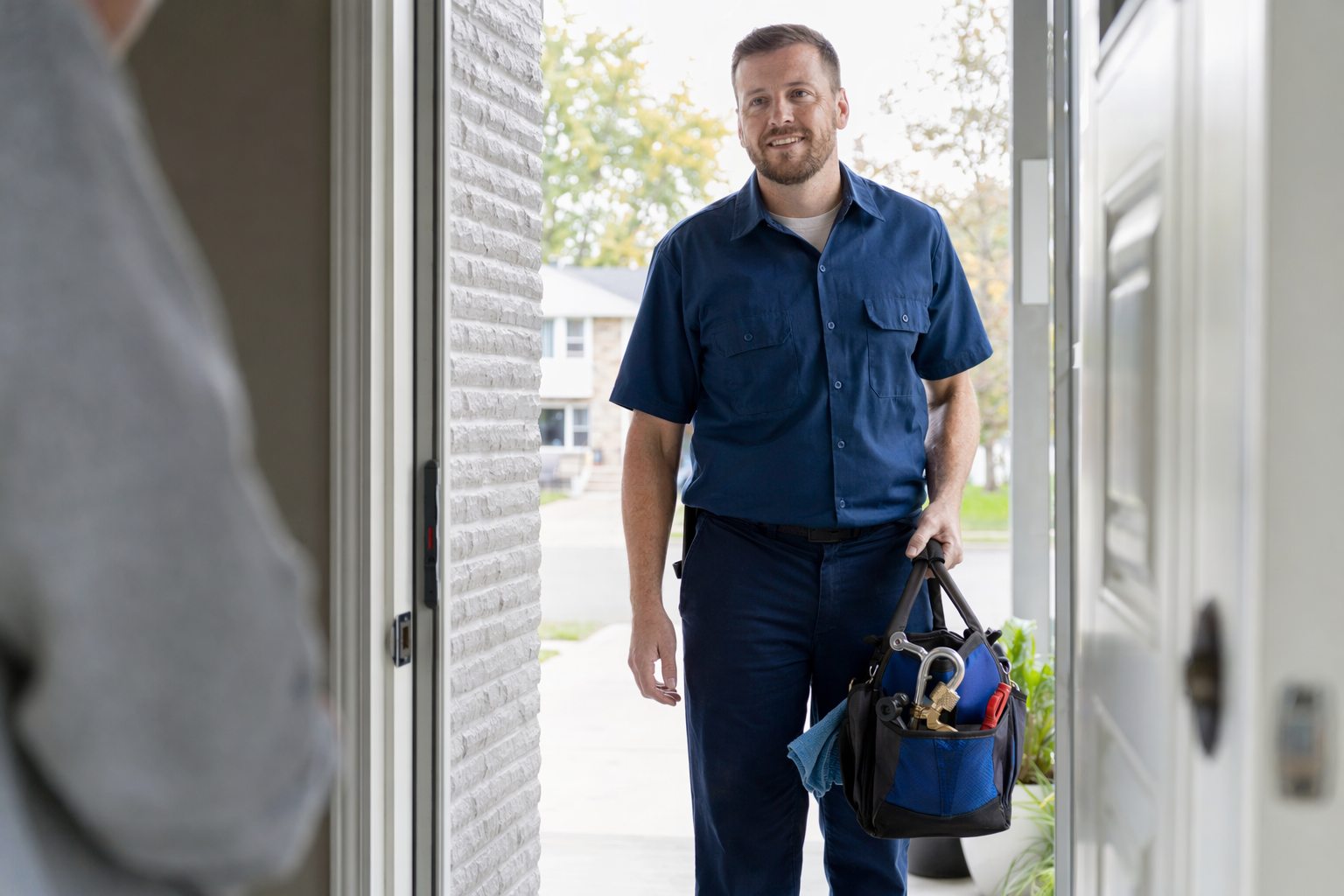
If a drain is badly clogged, stop using water, try only a simple safe step, and call a licensed plumber fast if sewage, overflow, or multiple drains are involved.
Common questions
My toilet is clogged and the water is rising. What do I do first?
Stop flushing right away. If you can do so safely, stop using nearby sinks, showers, and tubs too, because a bigger drain problem can make the overflow worse.
Can I use Drano or another drain cleaner on a bad clog?
Be careful. In general, do not keep pouring chemicals into a stubborn clog or mix different cleaners. That can make the situation more dangerous and harder for a plumber to handle.
Why do my shower and toilet back up at the same time?
That can be a sign of a larger drain or main line blockage, not just one small clog. If more than one fixture is affected, it is a good idea to call a licensed plumber quickly.
How much does emergency drain clearing cost?
A simple clog may be around $100 to $350, while tougher clogs, main line work, or after-hours service can cost more. These are general ranges only, not quotes; the real price depends on the problem, timing, parts, and your area.
Is MainLine Match the plumber?
No. MainLine Match is a free matching service. We do not do plumbing work; we help connect you with licensed, insured plumbers near you.
What information do I need to give to get matched?
Usually just your name, phone, optional email, problem type, ZIP code, and preferred language. We do not need bank details, Social Security numbers, or income information.