Emergencies
Major water leak — stop the water, then call
First: shut off the water main if you can. Then move people and pets away, protect outlets if safe, and get matched with a licensed, insured 24/7 plumber near you.
First 5 minutes — shut off your water
If water is flooding, stopping it comes first. Here's the fastest safe order.
- 1 Shut off the water main. Find your main shut-off valve — usually where the water line enters, near the street, the basement, or the meter — and turn it fully clockwise to stop the flow.
- 2 Stay safe. Keep clear of standing water near outlets or appliances. If you smell gas or see water near electrical panels, leave and call emergency services first.
- 3 Limit the damage. Open a low faucet to drain the lines, move valuables, and soak up water you can reach safely. Take a few photos for your records.
- 4 Get a licensed plumber. Get matched, free, with a licensed 24/7 plumber near you. Ask for the price in writing before work starts — you compare and choose who to hire.
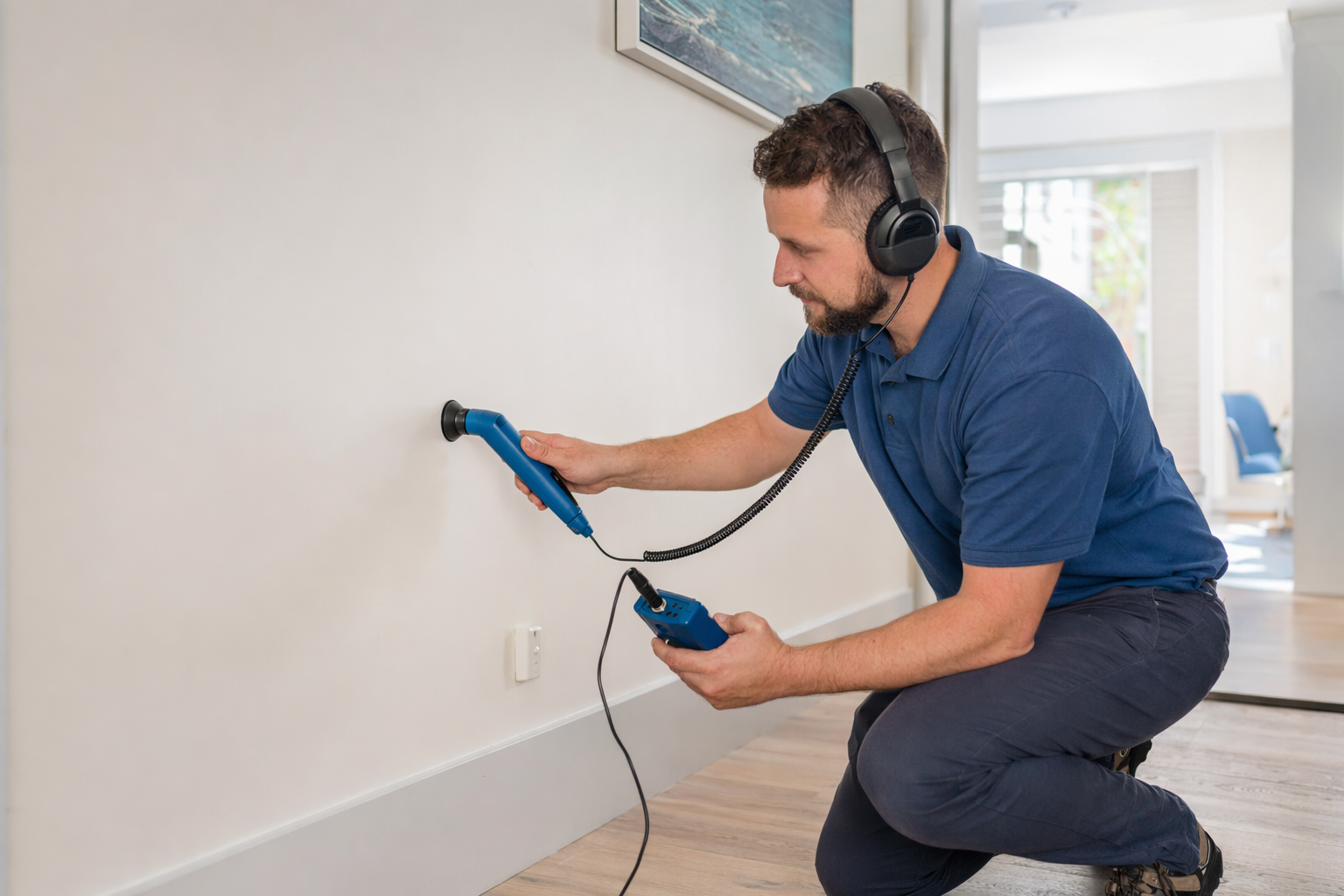
What to do right now
- Shut off the main water valve now if water is flowing fast or you cannot quickly stop the leak at one fixture. If you are not sure where it is, see how to shut off your water.
- If water is near outlets, cords, appliances, or your electrical panel, do not step into the water. Leave that area and call your local emergency number if there is immediate danger.
- If the leak is from one sink, toilet, or appliance and you can reach it safely, you may shut off that fixture valve instead of the whole house.
- Move people, pets, medicine, papers, and electronics to a dry area. Put towels, buckets, or a trash can under dripping water if you can do it safely.
- Take a few photos or a short video if it is safe. This can help you explain the problem.
- Then use MainLine Match to get connected with a licensed, insured emergency plumber. We are a free matching service, not a plumbing company, and we do not perform repairs.
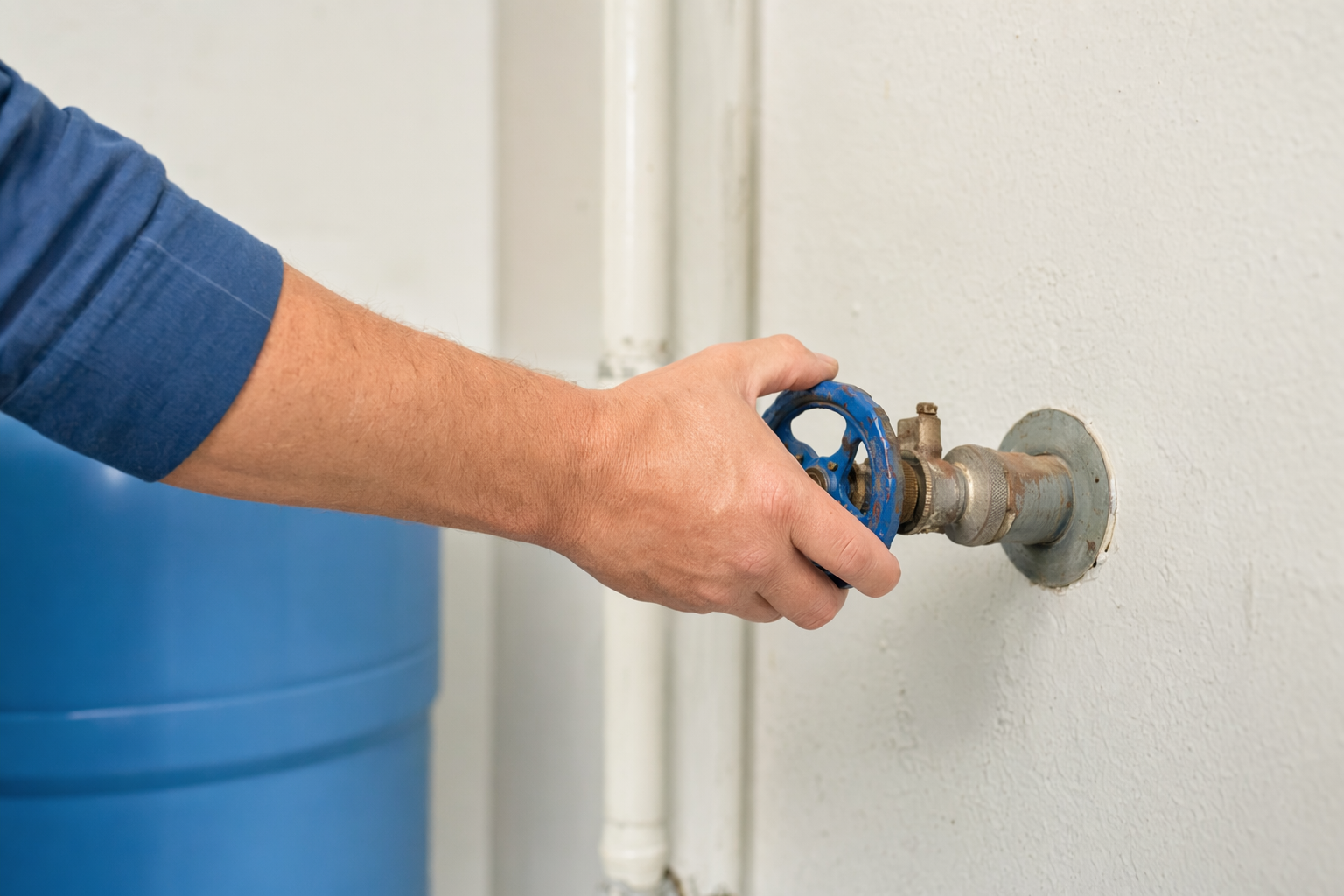
When a major water leak is a true emergency
A major leak is an emergency when water is coming out quickly, spreading across floors, dripping through a ceiling, soaking walls, or you cannot stop it. It is also urgent if you have no water after a pipe break, if a water heater is leaking badly, or if the leak could damage ceilings, floors, or belongings fast.
Call for emergency help now if the leak is active and you cannot control it, if water is entering light fixtures or electrical areas, or if the source is hidden behind a wall or under the floor and damage is getting worse.
It may be able to wait a little if the leak is only a slow drip into a sink or bucket, you have safely isolated that fixture, and the water is contained. Even then, small leaks can turn into bigger damage, so it is smart to arrange help soon.
What it may cost
Emergency plumbing prices vary a lot. A simple leak repair might be about $150 to $400. A more involved repair, such as replacing a failed valve, fixing a burst section of pipe, opening a wall to reach the leak, or repairing damage from a bad water heater connection, can run roughly $400 to $1,500 or more.
After-hours, weekends, holidays, difficult access, specialty parts, and older pipes usually push the price up. If water has damaged drywall, flooring, cabinets, or ceilings, that cleanup and restoration is usually separate from the plumbing repair.
These are general ranges, not quotes. The real number depends on the exact problem, the time of day, the parts needed, and your area. Before work starts, ask for the price in writing, ask what is included, and ask whether there may be extra charges if the plumber finds hidden damage.
Common causes of a major leak
Many big leaks start with a burst or cracked pipe, a loose supply line under a sink, a failed shutoff valve, a leaking water heater, a broken washing machine hose, or a toilet supply line that has popped off or split.
Some leaks are harder to spot at first. Water may travel along pipes, framing, or ceilings, so the wet spot you see may not be the exact source. That is one reason hidden leaks can become serious quickly.
Cold weather, old pipes, high water pressure, corrosion, poor past repairs, and worn appliance hoses are common reasons leaks happen. In apartments, condos, and some rental homes, who is responsible can vary by building rules and local law.
How to get a licensed 24/7 plumber fast
If you need help now, start here: emergency plumbing help or get matched. MainLine Match is free for the household. We are not a plumbing company, and we do not do plumbing work. We help connect you with licensed, insured plumbers who handle emergency calls.
To get matched, you only need basic contact and problem details: your name, phone, optional email, problem type, ZIP code, and preferred language. We do not need financial account numbers, Social Security numbers, income details, or sensitive records.
When a plumber calls, ask: Are you licensed and insured for this area? What is the service call or diagnostic fee? Is there an after-hours charge? Can you give the price in writing before work starts? If parts or access could change the price, ask how they handle that.
Avoid overpaying in a stressful moment
When water is leaking fast, it is easy to feel pushed. Slow down just enough to confirm the basics. You stay in control: you choose who to hire, you confirm the price before work starts, and you confirm the work is done before paying the final amount.
Watch out for vague pricing, scare tactics, cash-only demands, no proof of license or insurance, or pressure to approve a very large repair immediately without a clear explanation. If someone says, “We have to start right now,” ask for the scope and price in writing first.
If the leak is contained and it is safe to wait a few minutes, compare what you are being told with general cost guides. Costs vary by area, but a written price and a clear explanation can help you avoid surprise charges.
If water is leaking fast, shut off the main first, stay away from electrical danger, and get a licensed, insured emergency plumber with a written price before work starts.
Common questions
Where is the water shutoff for my house?
It is often where the main water line enters the home, such as a basement, garage, utility room, crawl space, or near an outside wall. If you are not sure, see [how to shut off your water](/guides/how-to-shut-off-your-water/).
Should I shut off the whole house or just one fixture?
If the leak is clearly from one sink, toilet, or appliance and you can safely reach that fixture valve, that may be enough. If water is flowing fast, you cannot find the source quickly, or the fixture valve does not stop it, shut off the main.
Can a major water leak wait until morning?
Usually not if water is actively spreading, soaking building materials, or coming through a ceiling. A small contained drip may wait briefly, but fast leaks and hidden leaks can cause damage quickly.
How much does an emergency leak repair usually cost?
A simple repair may be around $150 to $400, while more complex leak repairs can be $400 to $1,500 or more. These are not quotes; the actual cost depends on the problem, access, parts, time of day, and your area.
What if water is near electrical outlets or appliances?
Do not stand in the water or touch electrical equipment in that area. Move away and call your local emergency number if there is immediate danger.
Is MainLine Match the plumber?
No. MainLine Match is a free matching service. We do not perform plumbing work; we help connect households with licensed, insured plumbers who may be available for emergency service.