Emergencies
Sump pump failed and water is rising
Water rising in the basement? First, stay safe and protect yourself from electricity. Then take simple steps to slow damage and get connected with a licensed, insured 24/7 plumber near you.
First 5 minutes — shut off your water
If water is flooding, stopping it comes first. Here's the fastest safe order.
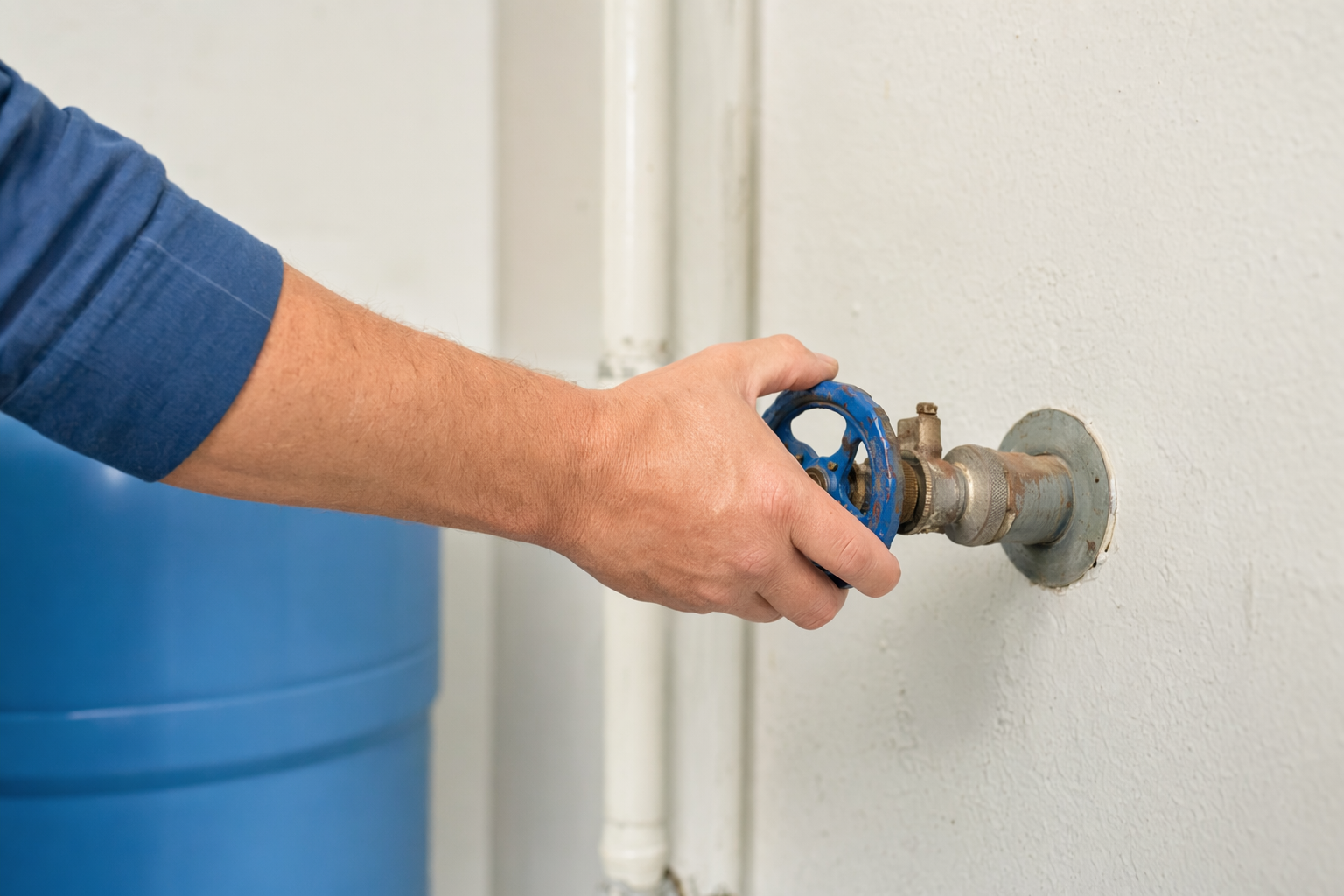
- 1 Shut off the water main. Find your main shut-off valve — usually where the water line enters, near the street, the basement, or the meter — and turn it fully clockwise to stop the flow.
- 2 Stay safe. Keep clear of standing water near outlets or appliances. If you smell gas or see water near electrical panels, leave and call emergency services first.
- 3 Limit the damage. Open a low faucet to drain the lines, move valuables, and soak up water you can reach safely. Take a few photos for your records.
- 4 Get a licensed plumber. Get matched, free, with a licensed 24/7 plumber near you. Ask for the price in writing before work starts — you compare and choose who to hire.
What to do right now
- If water is near outlets, cords, appliances, or your electrical panel, do not step into the water. Leave the area and call your local emergency number or utility first.
- If it is safe to reach, unplug the sump pump and check whether it has simply lost power. Do not touch plugs or cords while standing in water.
- If heavy water is entering from a burst pipe or plumbing leak, shut off your water main if you can do so safely. If you need help finding it, see how to shut off your water.
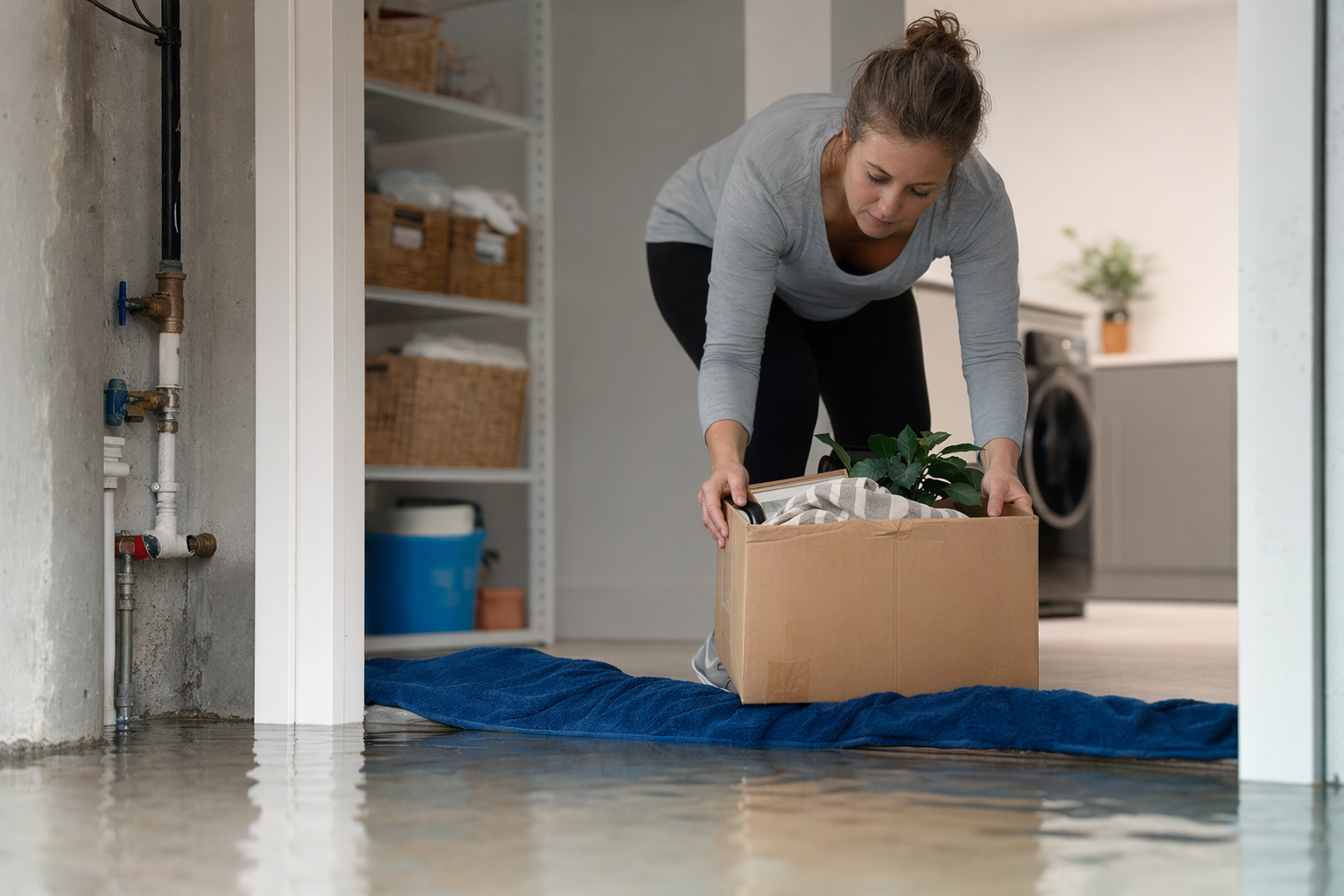
- Move boxes, rugs, and valuables to a dry area. Use towels, buckets, or a wet vacuum only if the area is dry enough to use equipment safely.
- Take a few photos or short video of the water level and affected area.
- Get help fast through MainLine Match. We are a free matching service, not a plumbing company, and we can help connect you with a licensed, insured 24/7 emergency plumber near you.
When a sump pump failure is a true emergency
It is an emergency when water is actively rising, the basement is flooding, there is sewage smell or dirty backup, the pump failed during a storm, or the water is reaching electrical equipment, a furnace, water heater, or stored belongings. Fast action can reduce damage.
It may also be urgent if you have only one sump pump and no backup, especially during heavy rain. A pump that hums but does not move water, cycles nonstop, trips a breaker, or has stopped completely can fail at the worst time.
It may be able to wait a little if the pit is dry, the basement is not taking on water, and you only noticed the pump sounds strange or runs occasionally. Even then, it is smart to have it checked soon before the next storm.
If you smell gas, or if water is near live electricity, leave the area and call your local emergency number first. That comes before calling a plumber.
What emergency sump pump repair or replacement may cost
Honest range: an emergency service call may be around $150 to $400+, and after-hours, weekend, or storm-time calls often cost more. A simple sump pump repair may be roughly $200 to $600+, while a full sump pump replacement is often around $600 to $1,800+ depending on the pump, parts, and setup. Battery backup systems or more complex drainage work can cost more.
If the problem is not the pump itself, costs can change. Clearing a clogged discharge line, replacing a float switch, fixing a check valve, or addressing a drainage issue may be less or more depending on what is found. Water removal, cleanup, or restoration is usually separate from plumbing work.
These are general ranges, not quotes. The real price depends on the problem, the type of pump, whether it is after hours, the parts needed, and your area in the US. Ask for the price in writing before work starts, and make sure you understand what is included.
Common reasons a sump pump stops working
A sump pump can fail for simple reasons or bigger ones. Sometimes the pump lost power, a breaker tripped, the float switch got stuck, the discharge pipe is clogged or frozen, or the pump is old and worn out. In a storm, one pump may simply not keep up with the amount of water coming in.
Other times, the basin is full of debris, the check valve failed, the pump was installed incorrectly, or the backup battery is dead. If you have repeated flooding, the issue may involve drainage around the home, groundwater, or the size and type of pump.
A licensed plumber can inspect the pump, power source, float, pit, discharge line, and backup system to find the cause. Local codes and what is allowed can vary by area, so a local licensed pro matters.
How to get a licensed 24/7 plumber fast
Use MainLine Match to get connected quickly. We are a free matching service for households, not a plumbing company, and we do not perform plumbing work. We collect only basic contact and problem details so we can help match you: name, phone, optional email, problem type, ZIP code, and preferred language.
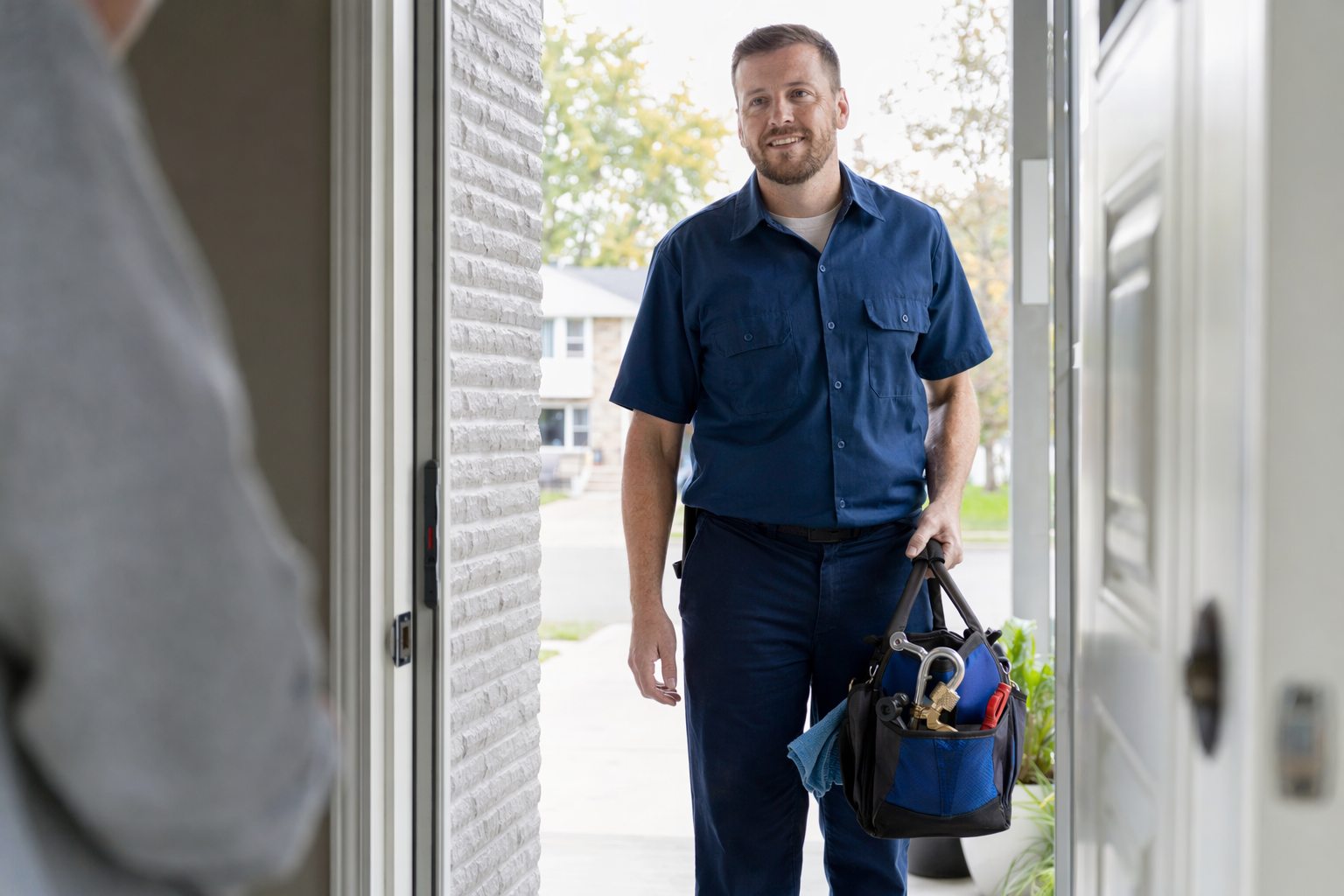
When the plumber contacts you, ask if they are licensed and insured, whether they handle sump pump emergencies, and what the service call or diagnostic fee is. Ask for the expected price range in writing before authorizing work.
You stay in control. You choose who to hire, confirm the price before work starts, and confirm the work is done before paying the final amount. If you want a broader starting point, visit our emergency plumbing hub or general cost guides.
- Ask for license and insurance
- Ask what is included in the service call fee
- Get the price in writing before work starts
- Do not feel pressured into a big repair on the spot
How to avoid overpaying in a stressful moment
A flooded basement is stressful, and that is when some people get overcharged. Be careful with vague pricing, scare tactics, cash-only demands, no proof of license or insurance, or pressure to approve a very large repair immediately without a clear explanation.
A trustworthy plumber should explain the problem in plain words, tell you what they found, and give you a written price before starting the repair. If the first fix is only temporary, they should say that clearly.
If time allows, ask what happens if the pump is repaired versus replaced, and whether a backup system is recommended. In many homes, a backup can help reduce risk during storms or power outages, but the right setup depends on the home and the local conditions.
If your sump pump failed and water is rising, stay away from electrical danger, limit damage if safe, and get a licensed 24/7 plumber with a written price before work starts.
Common questions
My sump pump stopped during a storm. Should I shut off my main water?
Usually, a sump pump handles groundwater, not your home's supply water, so shutting off the main may not stop the flooding. But if a burst pipe or plumbing leak is adding water, shut off the main if you can do so safely.
Can I go into the basement if there is standing water?
Not if water may be near live electricity, outlets, appliances, or the electrical panel. Leave the area and call your local emergency number or utility first.
Is a broken sump pump always a plumbing emergency?
Not always. It is a true emergency when water is actively rising, flooding is happening, sewage is involved, or the water is threatening electrical equipment or major property damage.
How much does sump pump replacement cost?
A common general range is about $600 to $1,800+ for replacement, but the real number depends on the pump type, parts, difficulty, timing, and your area. After-hours and storm-time service usually costs more.
What information do I need to get matched with a plumber?
Just basic contact and problem details: your name, phone, optional email, problem type, ZIP code, and preferred language. MainLine Match is free for the household.
How do I know if a plumber is legitimate?
Ask if they are licensed and insured, ask for pricing in writing, and be cautious with vague prices, cash-only demands, or pressure to approve a huge repair right away. You choose who to hire.