Guides
What an emergency plumber really costs
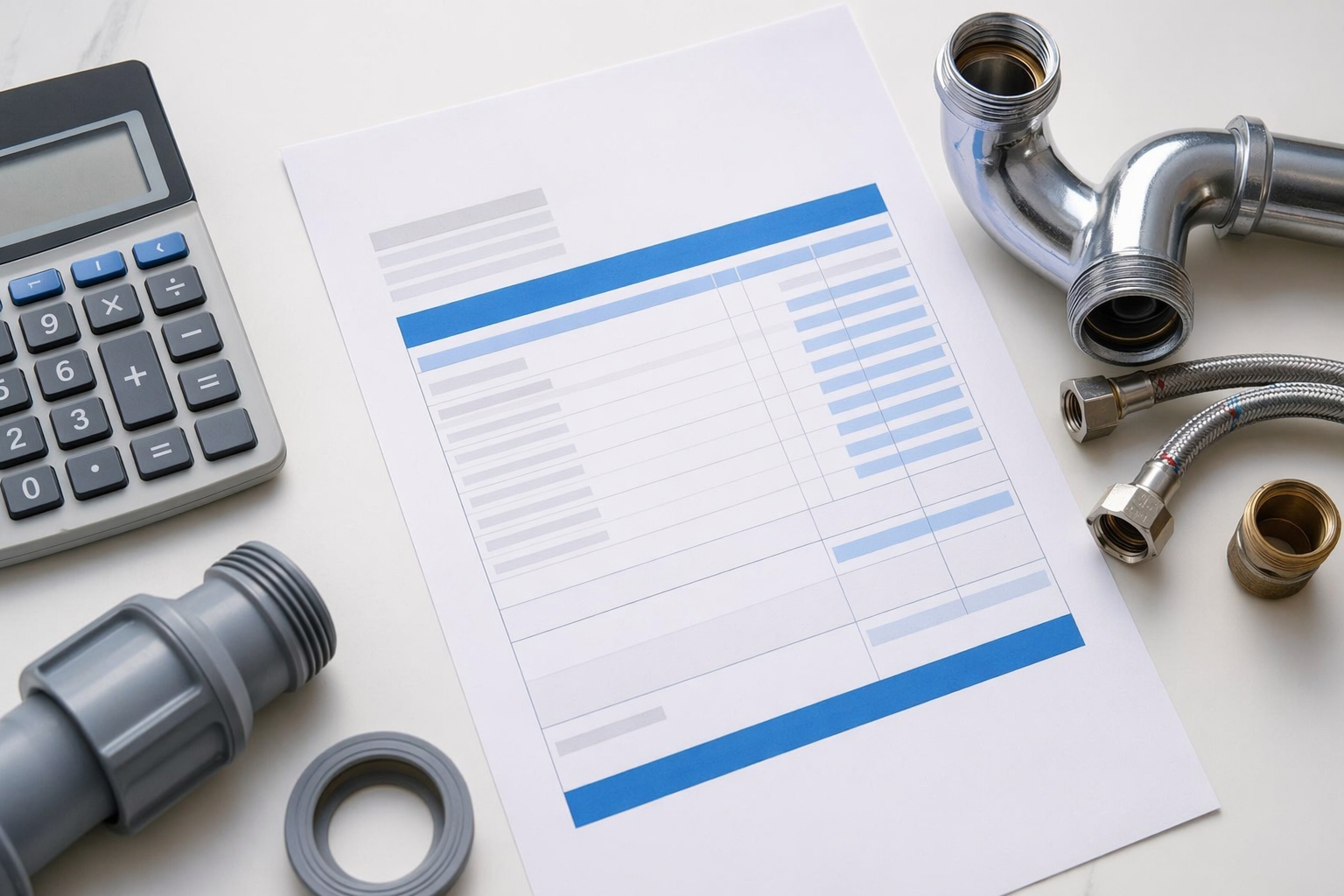
If water is still running, shut off your main water valve first. Emergency plumbing can cost more than a regular visit, but you should still get a clear written price before work starts.
What to do right now
- If a pipe is leaking or burst, shut off the main water valve first.
- If water is near outlets, cords, or electrical equipment, leave the area and call your local emergency number.
- If you smell gas, leave right away and call your local emergency number.
- Move towels, buckets, and small items to limit damage if it is safe to do so.
- Take a few photos of the problem and any water damage.
- Ask for a licensed, insured emergency plumber and get the price in writing before work starts.
MainLine Match is a free matching service, not a plumbing company, and we do not do plumbing work. We can help connect you with a local 24/7 plumber near you through get matched.
What an emergency plumber usually costs
The honest answer: emergency plumbing usually costs more because you are paying for fast response, after-hours work, and sometimes temporary repairs to stop damage first. In many parts of the US, a basic emergency visit may start around $150 to $350 just to come out, inspect the problem, and diagnose it. Nights, weekends, and holidays often cost more.
Once work begins, total cost can range widely. A smaller emergency repair might land around $250 to $600. A bigger repair like a burst pipe behind a wall, a failed water heater connection, a sewer backup, or a serious leak can run $800 to $2,500 or more. If cleanup, pipe replacement, wall access, or special equipment is needed, the price can go much higher.
These are general ranges, not quotes. The real number depends on the problem, the time of day, the parts needed, how hard it is to reach the pipe or drain, and your area.
What the call-out or service fee usually covers
Many emergency plumbers charge a call-out, dispatch, or service fee. This often covers travel, the first inspection, diagnosis, and sometimes a short amount of labor. It does not always include the actual repair.
Ask this clearly before you agree: "What does the fee include?" A fair answer should tell you whether it covers diagnosis only, the first hour of labor, basic materials, or just the trip to your home.
It is also reasonable to ask whether the service fee is applied toward the repair if you approve the work. Some companies do that, some do not. Get that answer in writing first.
Why the price goes up
Emergency plumbing prices usually rise for a few simple reasons. After-hours calls cost more. Hard-to-reach problems cost more. Repairs that need special machines, more than one worker, or replacement parts cost more.
Common things that push the bill higher include:
- night, weekend, or holiday service
- major water damage risk that needs fast action
- opening walls, ceilings, or floors to reach pipes
- sewer line problems or heavy drain backup
- specialty parts or same-day parts pickup
- older plumbing systems that break during the repair
- larger homes or longer pipe runs
Some emergencies are handled in two stages: first, stop the leak or backup; second, come back for a larger repair. That can be normal. The important part is that the plumber explains what is temporary, what is permanent, and what each step will cost.
How to avoid being overcharged in a crisis
When people are scared, they sometimes agree too fast. Slow the moment down if you can. You do not need a perfect price over the phone, but you do need clear terms before work starts.
Watch for red flags:
- vague pricing like "we'll see when we get there" with no written range
- scare tactics pushing a huge repair right away
- pressure to sign before you understand the work
- cash-only demands
- refusal to show license or insurance when asked
- very low teaser prices that suddenly jump after arrival
- no written scope of work, no written total, or no receipt
A better process is simple: ask for the service fee, ask what it includes, ask for the repair price in writing, and ask whether there are extra charges for parts, equipment, or after-hours labor. You stay in control. You choose who to hire, you confirm the price before work starts, and you confirm the work is done before paying the final amount.
Typical emergency problems and rough ranges
These rough ranges can help you tell the difference between a normal emergency price and a number that needs more questions. They are general information only, not quotes, and costs vary by area.
- simple emergency leak repair: often about $250 to $600
- burst pipe repair: often about $400 to $1,500+
- severe drain clog or backup: often about $300 to $800+
- sewer line emergency: often about $1,000 to $4,000+
- no hot water due to an urgent water heater issue: often about $300 to $1,200+, depending on parts
- failed shut-off valve or supply line repair: often about $200 to $500+
If the plumber says the problem affects the main sewer line, responsibility can vary by city, utility rules, HOA, landlord, or property line location. Rules and responsibility vary by area, so ask what part is yours and what part may belong to the utility or property owner.
How MainLine Match can help
If you need help finding someone fast, MainLine Match can connect you with a licensed, insured emergency plumber near you. We are a free matching service for households, not a plumbing company, and we do not perform plumbing work.
We only collect basic contact and problem details to help with the match: name, phone, optional email, problem type, ZIP code, and preferred language. You can also explore more help in our guides, emergency topics in emergencies, and other pricing pages in costs.
No one can honestly promise an exact price or arrival time before the plumber understands the problem. But you can still protect yourself by asking for license and insurance details, getting the price in writing, and not authorizing major work until you understand what is included.
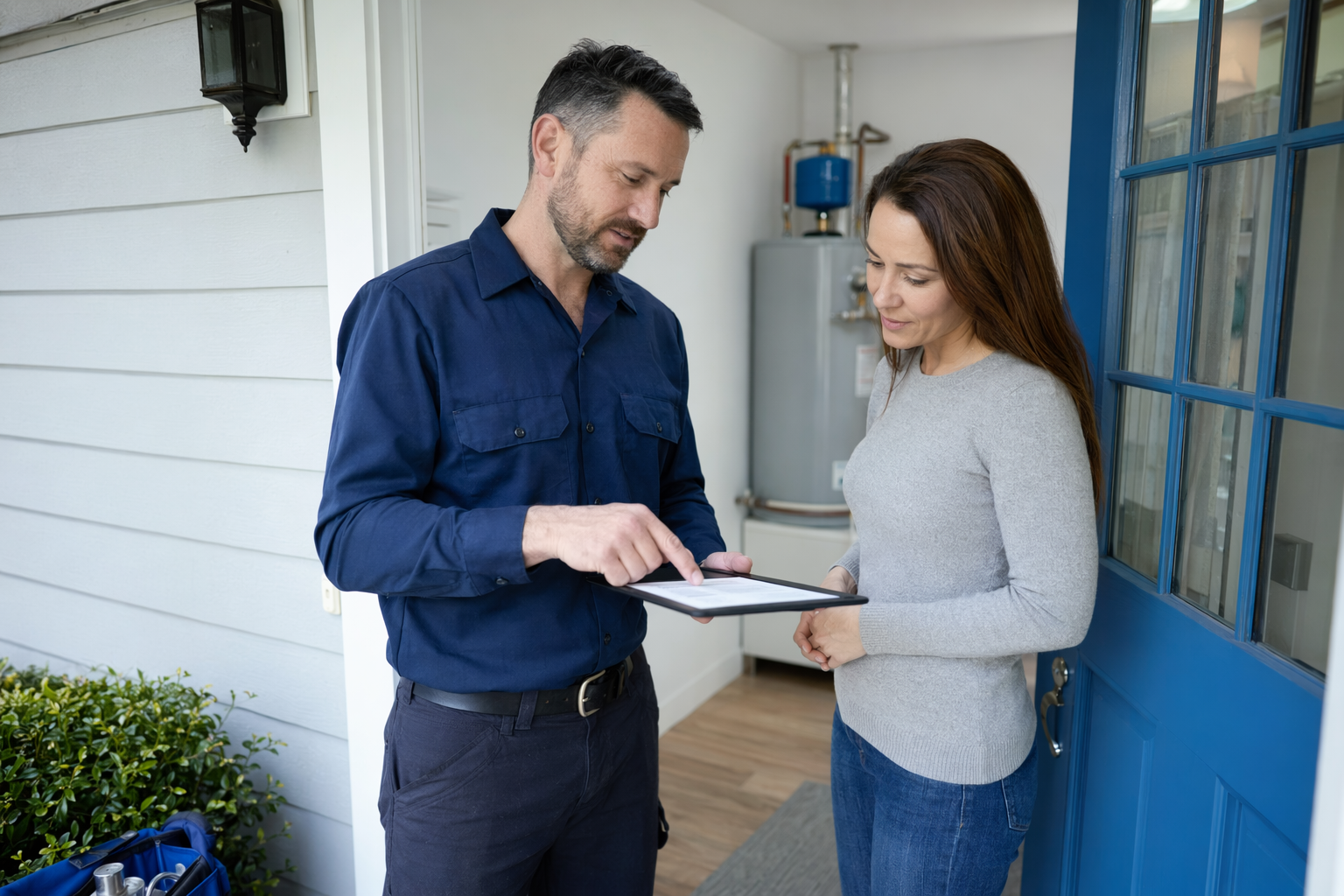
Emergency plumbing often costs more, but you should still get a clear written price, verify license and insurance, and shut off the water first if there is an active leak.
Common questions
Why is an emergency plumber so much more expensive?
Usually because you are paying for fast response, after-hours availability, and urgent work that may need immediate parts or special equipment. Nights, weekends, holidays, and harder repairs often raise the total.
What is a normal emergency plumbing call-out fee?
In many areas, a call-out or service fee may be around $150 to $350, sometimes more after hours. It may cover travel and diagnosis, but not always the repair, so ask exactly what is included.
Should I get a price before the plumber starts?
Yes. Get the service fee and the repair price in writing before work starts whenever possible. If the final cost depends on opening a wall or finding hidden damage, ask for a written range and what could change it.
Can an emergency plumber give an exact price over the phone?
Sometimes for a very common problem, but often not. A phone estimate can be helpful, but the real price depends on the cause, access, parts, and local rates.
What are red flags that I may be getting scammed?
Watch for vague pricing, pressure to approve a huge repair immediately, cash-only demands, refusal to show license or insurance, and no written estimate. A trustworthy plumber should explain the work and the price clearly.
What if I have a leak and I cannot wait?
Shut off the main water valve first if water is still flowing. Then ask for an emergency plumber, explain the problem clearly, and get written pricing before repair work begins.