Guides
Is this a real plumbing emergency?
Not sure if you truly need a 24/7 plumber? Start with a quick safety check and a key question: is there active flooding, sewage, or a loss of water that affects safety or your home right now?
What to do right now (quick check)
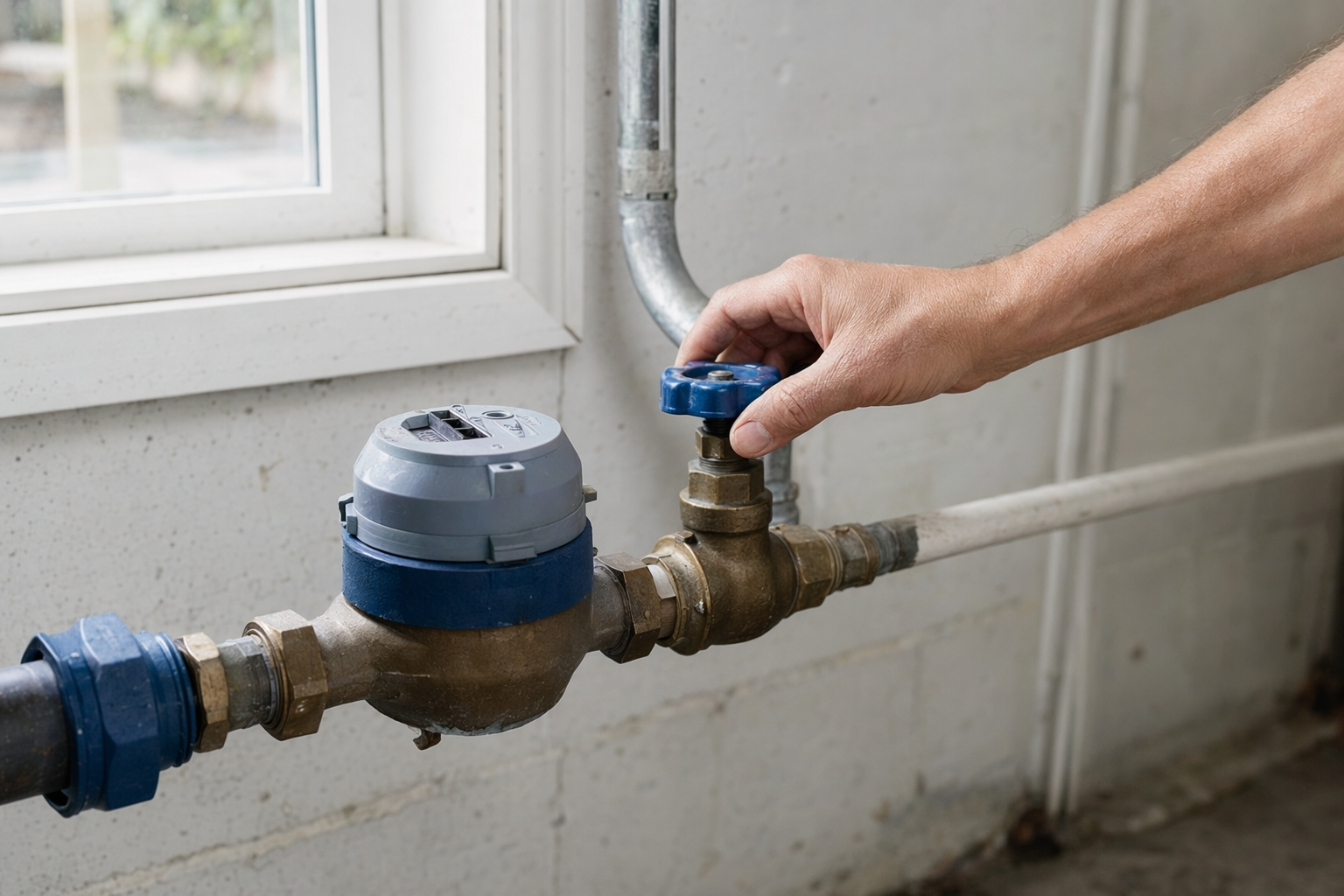
1. If there’s flooding or spraying water, or you see sewage, shut off your home’s water main if you can do it safely.
2. If water is near any electrical equipment or outlets, or you smell gas: leave the area and call your local emergency number first.
3. If water is not actively flooding but you have a plumbing problem, stop using the affected plumbing (toilet/sink/shower/drains) until you’re checked.
4. If you decide to call, you can use MainLine Match to find licensed, insured 24/7 emergency plumbers near you—MainLine Match does not do the work.
5. Take a couple of photos (and note where the leak/backup started) so the plumber can understand the problem faster.
- If you’re unsure, it’s usually safer to treat active flooding or sewage backup as an emergency.
Real plumbing emergencies (call 24/7)
These situations often need fast help to prevent serious water damage, mold risk, and contamination:
- Burst pipe or major leak: water is spraying, streaming, or pooling quickly.
- Sewage backup (toilet, basement drains, “brown/black” wastewater, or backed-up sewage smell). Even if the water seems to stop, it can return.
- No water from your plumbing system: not just “no hot water,” but a complete loss of water to the home (or repeated loss right away).
- Water actively coming from a hidden area: ceilings, walls, attic, or behind appliances—especially if it’s worsening.
- Backups that keep happening when you run water or flush.
- Any situation where you can’t shut it off and it’s continuing to damage your home.
In these cases, 24/7 response is commonly worth it because the faster the water is stopped, the less damage you’re dealing with later.
- If you can shut off the water main and stop the problem quickly, you may still need help—but it may not need an immediate after-hours arrival.
Problems that may wait until morning (not always 24/7)
Some plumbing issues are serious but usually don’t require an immediate after-hours call if you can control the situation:
- No hot water only (with water still available): many causes are not “flooding now.” A 24/7 call may be optional depending on your household needs and the cause.
- Small leaks: a slow drip under a sink, a single fixture that leaks slightly (and you’ve contained it).
- Clogged drain that is still draining slowly: if water isn’t backing up into other fixtures and no sewage is involved.
- Minor toilet issues without overflow: for example, a toilet running but not spilling, or a mild slow drain—if you can manage it safely.
- Leaks you can contain with towels/ a bucket and you can shut off the water to that fixture.
Rule of thumb: if the problem is contained and not spreading, you may be able to wait for a regular-time appointment. If you’re unsure, you can still call—but ask the plumber to tell you whether it needs emergency service versus next-day service.
- “Can wait” doesn’t mean “ignore it.” It just means it may not justify an after-hours emergency call.
Red flags that suggest you should get an emergency plumber
Even if you’re not sure it’s “big,” watch for signs that damage or contamination is likely:
- The leak is increasing quickly, or you see new wet spots expanding.
- Water is coming from a pressurized line (sudden start + lots of water).
- There’s any sewage backup, sewage smell, or wastewater that doesn’t look/act like clean water.
- The toilet or drain backup affects multiple fixtures (example: when you flush, other drains gurgle).
- Water is near an area with valuables, finished floors, carpet, drywall, or electronics.
- You can’t stop it by shutting off a local valve or the water main (or you don’t know how safely).
If you see these, it’s reasonable to call an emergency plumber rather than waiting.
- Mold and damage don’t wait. If water is active, time matters.
How much does an after-hours call cost? (ranges, not quotes)
Costs vary by area, the time of day, how urgent the problem is, and what parts or repairs are needed. After-hours emergency service is usually more expensive than daytime service.
Typical range guidance (very general):
- Emergency call/visit fees: often fall somewhere in the “higher after-hours” range; in many areas people report roughly $150–$400+ for an after-hours dispatch/diagnostic visit (not a final repair price).
- Repair costs: can range widely depending on the fix (simple parts vs. pipe replacement vs. drain/sewer work). Repairs might run from about $200–$1,000+ for smaller jobs, and more for major leaks or sewer-related issues.
- Overtime/crew/complex access: can increase the total.
Important honesty notes:
- These are not quotes and not guarantees.
- The final amount depends on what’s actually wrong once a licensed, insured plumber inspects it.
- Some companies may push expensive work quickly—so ask for a clear written price before starting (or at least a written estimate for options).
- If someone pressures you to approve a huge repair on the spot, or won’t discuss licensing/insurance, that’s a red flag.
How to get a 24/7 plumber safely (and avoid overpaying)
MainLine Match is a FREE matching service that connects you with licensed, insured emergency plumbers near you. We don’t perform plumbing work, and we don’t control pricing.
To get matched:
1. Go to MainLine Match and share only what you know: your ZIP, your problem type (like burst pipe, no hot water, backup), and your preferred language.
2. If you can, mention whether there is active flooding or sewage backup.
3. Ask the plumber what the after-hours visit/diagnostic fee is and how they handle repair pricing.
4. Request the price in writing before work begins.
5. Confirm the plumber is licensed and insured (ask how they handle permits if needed in your area).
6. Stay in control: you confirm the scope and agree to the final price before paying.
Scam/overcharge red flags to watch for:
- No license/insurance shown.
- Vague pricing (“you need thousands right now”) without explaining options.
- Cash-only pressure.
- Scare tactics that suggest damage is unavoidable when you haven’t received an inspection.
If you’d like to compare emergency vs. non-emergency help and costs, see emergency plumbing help and plumbing costs.
- If you’re dealing with active flooding, shutting off the water main can reduce damage even before the plumber arrives.
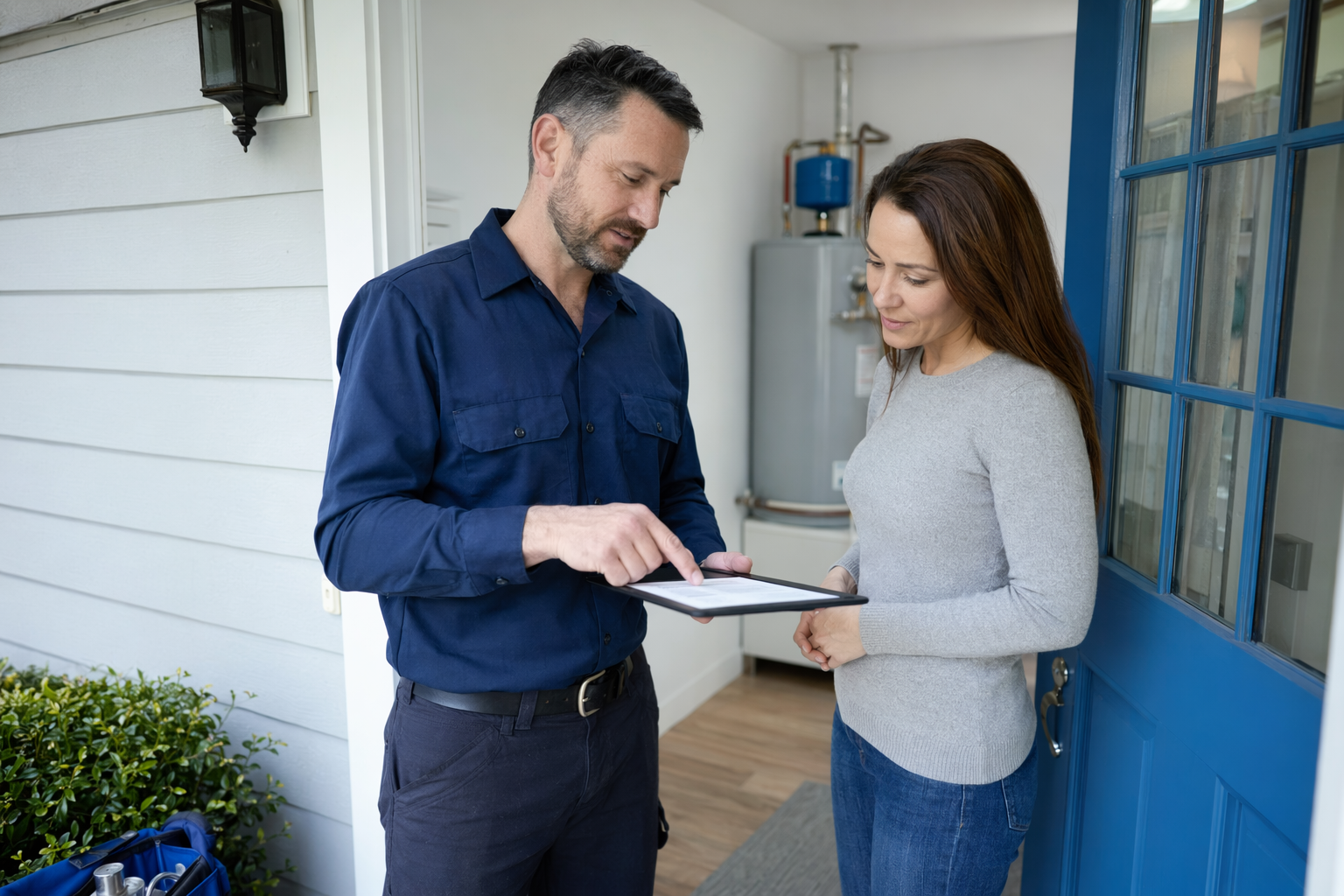
If you have active flooding, sewage backup, or a major leak, treat it as an emergency—otherwise it may be reasonable to wait for morning service and avoid costly after-hours fees.
Common questions
My sink is clogged and water backs up a little. Is this a real plumbing emergency?
It can be serious, but it isn’t always a 24/7 emergency. If it’s only one sink draining slowly and you’re not seeing sewage or active overflow, you may be able to wait until morning. If multiple drains back up, the clog is causing rising water, or it involves sewage, treat it as an emergency and call 24/7.
There’s no hot water, but the house has cold water. Should I call an emergency plumber now?
Often, no hot water is not an emergency like a burst pipe or sewage backup, because you still have running water. It may still be worth calling sooner if you need hot water for essential needs, or if the situation changed suddenly and you suspect something more serious. You can use MainLine Match to connect with an insured plumber and ask if it can wait.
How do I know if it’s sewage or just dirty water?
Sewage backup usually involves wastewater from toilets or drains that looks foul and may smell like sewage, and it can contaminate surrounding areas. If you’re seeing toilet wastewater or a strong sewage odor, or if it’s backing up from main sewer lines, treat it as an emergency and call 24/7.
If I shut off the water main, can it wait until morning?
Often, shutting off the water can prevent further flooding and reduce damage, so morning service may be reasonable. However, you may still need urgent help if there’s sewage, ongoing leaks, water already spread into walls/ceiling, or you can’t fully stop the backup. A licensed, insured plumber can help confirm the risk.
What should I ask the plumber before I approve anything?
Ask for the after-hours visit/diagnostic fee, what they think is wrong, and the repair options with a clear written price before work starts. Verify they’re licensed and insured in your area, and confirm you can review the scope before approving payment.