Guides
Plumbing emergencies when you rent
If you rent and have a plumbing emergency, tell your landlord or property manager right away, then shut off the water if you can do so safely. MainLine Match is a free matching service, not a plumbing company, and can help you find a licensed, insured emergency plumber near you.
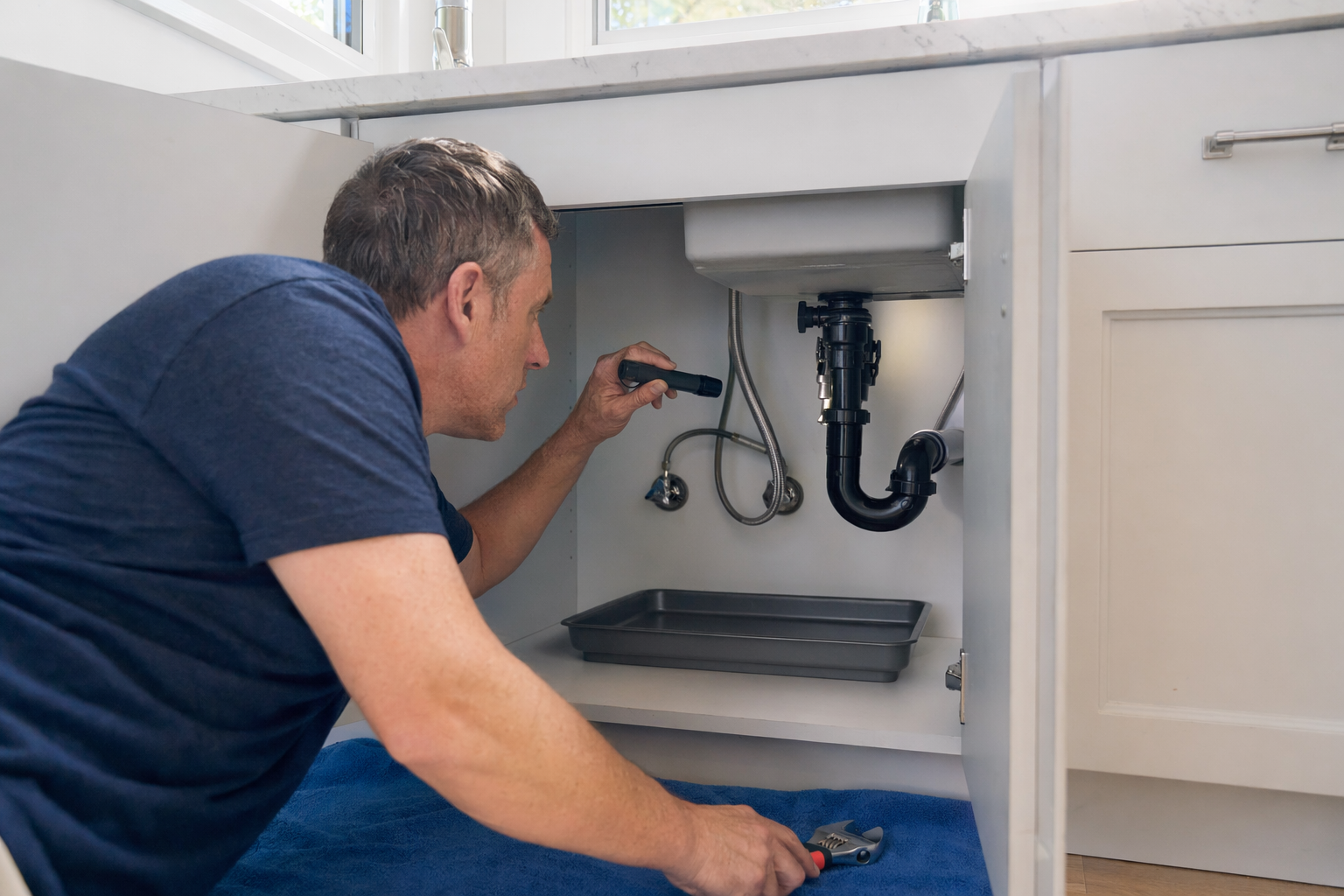
What to do right now
- If water is spraying, leaking fast, or backing up, shut off the water if you can do it safely.
- If there is a gas smell, or water is near live electricity, leave the area and call your local emergency number first.
- Call or text your landlord or property manager and send a photo or short video.
- Save the date, time, messages, and photos.
- If the problem is urgent and your landlord is not available, you may need an emergency plumber, but keep your landlord informed.
If you are not sure where the shutoff is, look near the toilet, under sinks, by the water heater, or at the main water shutoff for the home or unit. If you cannot find it quickly and water is flooding, focus on staying safe and limiting damage.
Who is responsible in a rental
In many rentals, the landlord is responsible for repairs to the plumbing system, but the exact rule depends on your lease, your city or state, and what caused the problem. A small clog you caused may be different from a broken pipe, sewer backup, or failed water heater.
A good general rule is: report the problem immediately, do not hide it, and do not assume it will fix itself. If you wait, the damage can get worse and the cost can become a bigger dispute later.
If your landlord says they will send someone, ask when, who is coming, and whether the plumber is licensed and insured. If the issue is severe and you need help now, you can use get matched with a plumber while still keeping your landlord updated.
When to call a plumber yourself
Call a plumber yourself if the problem is urgent and your landlord is not responding fast enough, or if the lease says you should handle certain repairs. This is common for burst pipes, no water, major leaks, sewage backups, and serious clogs that affect the unit.
Choose a licensed, insured plumber if possible. Ask for the price in writing before work starts, and ask what the service call includes. Do not feel pushed into a huge repair on the spot without a clear explanation.
Red flags for overcharging or scams include vague pricing, pressure tactics, cash-only demands, no license or insurance, and a claim that "everything must be replaced" before anyone looks closely. Keep control by getting the estimate first, approving the work, and confirming the job is done before paying the final amount.
How to protect your deposit and your records
Take photos and short videos before anything is moved or cleaned up, if you can do that safely. Save copies of texts, emails, call logs, invoices, and the plumber’s license and insurance details if you get them.
If you pay out of pocket, keep the receipt and write down why you had to act quickly. Ask for an itemized invoice, not just a total. This can help if you later ask your landlord for reimbursement.
If the problem might have been caused by the building, the shared plumbing, or normal wear and tear, that documentation matters. Rules vary by area, so if there is a serious dispute, you may want to check local tenant resources too.
What it may cost
Emergency plumbing costs can vary a lot by area, time of day, and the problem itself. After-hours visits often cost more than daytime service. The final price depends on the parts needed, how hard the problem is to reach, and whether there is water damage or sewer work involved.
Very rough general ranges: a basic emergency service call may start around $150–$300+, a simple clog or minor leak may be a few hundred dollars, and larger repairs like burst pipes, sewer backups, or water heater issues can run much higher. These are not quotes.
Always get the price in writing first when you can. If you want help comparing options, MainLine Match is free for the household, and you can also review general cost guidance before you decide.
How MainLine Match helps
MainLine Match is a free matching service for households. We do not do the plumbing work ourselves.
We collect only basic contact and problem details: your name, phone number, optional email, ZIP code, preferred language, and the type of plumbing problem. Then we help connect you with participating licensed, insured emergency plumbers near you.
If you are stressed and need a simple next step, start with emergency help or request a match through get matched.
- Free for the household
- No pressure to choose a specific plumber
- Use your own judgment before you hire
If you rent and have a plumbing emergency, shut off the water if safe, tell your landlord now, document everything, and get a licensed plumber if the problem cannot wait.
Common questions
If I rent, do I call my landlord or a plumber first?
If there is active flooding, shut off the water first if you can do it safely, then contact your landlord right away. If the problem is urgent and your landlord cannot respond fast enough, call a plumber and keep your landlord updated.
Can my landlord make me pay for a plumbing repair?
Sometimes, but it depends on the lease, what caused the problem, and local rules. Keep photos, messages, and invoices so you can show what happened and ask for reimbursement if appropriate.
What should I ask before hiring a plumber?
Ask whether they are licensed and insured, what the service call includes, and for the price in writing before work starts. Be careful with vague pricing, cash-only demands, or pressure to approve a big repair immediately.
Is MainLine Match the plumber?
No. MainLine Match is a free matching service, not a plumbing company. We help connect you with participating licensed, insured plumbers.