Quick answers
Why is my water brown or smelly?
Brown or smelly water is usually fixable, but it can also mean an urgent plumbing or water-supply issue. First, protect your home and check a few basics—then we’ll help you connect with a licensed, 24/7 emergency plumber if needed.
What to do right now (quick safety + damage control)
1. Check whether it’s only “hot” water or “cold” water too (run cold first, then hot). If both are affected, treat it as a bigger issue.
2. If you’re getting strong smells (especially sewage/mold/rotten egg) or the water looks badly contaminated, stop using that water for drinking and cooking. If you have bottled water, use it.
3. If the smell is “gas-like” or you also notice any danger signs (faint gas smell, hissing near pipes/meters, water near live electrical equipment), leave the area and call your local emergency number first.
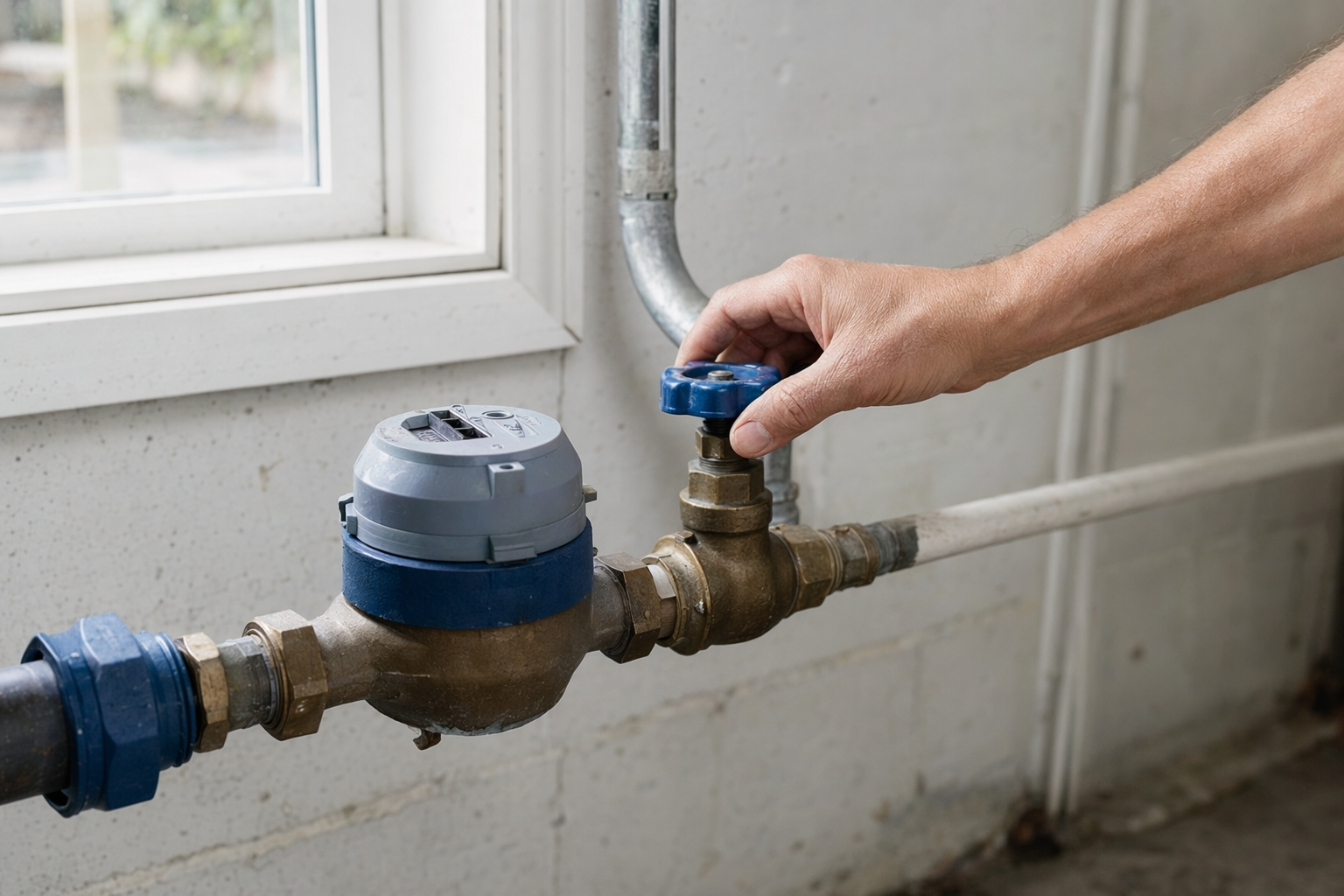
4. If you can safely find your home’s main water shut-off valve, you can shut off water to limit use until a plumber advises (especially if the problem is new, worsening, or you see unusual water staining).
5. Take a photo of the water color and note the time it started. Tell the plumber if you recently had nearby water work, a power outage, or you restarted water after being away.
- MainLine Match is a FREE matching service. We don’t do plumbing work—licensed, insured plumbers do.
Common reasons water turns brown or smells bad
Brown water is often linked to sediment or rust moving through the plumbing or water lines. It can happen after a water main disturbance, flushing hydrants, nearby construction, or after your home’s water hasn’t been used for a while.
Smelly water has a few common patterns. A “rotten egg” odor often points to sulfur-related issues in the water supply or how water is being heated. A strong “musty” or “sewer-like” smell can suggest contamination or a problem with plumbing drain/venting—some of those situations may need faster help.
Sometimes the issue is in the home plumbing (like a water heater, softener, or internal supply line). Other times it’s the municipal water system. A plumber can help figure out where it’s coming from, but the timing and whether it affects hot vs. cold water are clues you can share.
- If only hot water is affected, the heater is more likely involved.
- If both hot and cold are affected, it may be coming from the supply or multiple plumbing lines.
When this is an emergency (call 24/7)
Call a 24/7 licensed, insured plumber right away if the problem is sudden and severe, or if you also notice any signs of contamination (sewage smell, visible debris, water that looks very dirty, or rapidly worsening odor/color).
Also consider urgent help if you’re seeing leaks, unusual water pressure changes, bubbling in drains, or toilets/showers backing up. Those can indicate a blockage or drainage/venting issue that may escalate quickly.
If you can smell sewage or you see water near areas that could be dangerous (especially near live electrical equipment), prioritize safety first and contact local emergency services if needed. In serious “gas-like” situations, leave and call your local emergency number.
- Brown/smelly water after nearby construction or a main shutdown can be urgent—but it may also pass. A plumber can advise on what’s most likely.
How to figure out the likely source (no special tools)
You don’t need to be a plumbing expert. These simple checks help you describe the problem clearly to a plumber.
- Determine hot vs. cold: Run a cold tap for a short time, then check hot.
- Check more than one tap: Kitchen and a bathroom. If one fixture is worse, that can be a clue.
- Note color and smell changes: Does it get worse over the first minutes of running water or stay constant?
- Think about recent events: Nearby water work, a power outage, new water heater installation, after returning from travel, or changes to a water filter/softener.
- Look for patterns: Are you the only home affected? If neighbors have the same issue, it may be the supply.
Share your notes when you contact a plumber so they can triage faster and you can avoid repeated visits. MainLine Match collects contact info and the problem type + ZIP + preferred language to match you with nearby 24/7 plumbers.
- If water is only brown in one faucet, it can still be worth checking, but it may be less urgent than whole-home issues.
Cost expectations (ranges, what changes the price)
Plumbing costs for brown or smelly water can range widely. The real cost depends on the cause (water heater vs. supply line vs. filtration/softener vs. drain/venting), parts needed, and your location.
Typical emergency service pricing is often higher after-hours. Some plumbers charge a diagnostic or call-out fee, and the final total can include labor and materials if a repair is needed.
To avoid surprises, ask for the expected work scope and total price before anything starts. Honest plumbers can explain what they’ll do, what parts might be needed, and how they’ll confirm the issue is resolved. Pricing ranges are not quotes—final pricing depends on what’s found on-site.
- After-hours and same-day visits often cost more than standard business hours.
- If multiple areas or fixtures are affected, the diagnosis may take longer.
How MainLine Match helps you get a licensed 24/7 plumber
MainLine Match is a FREE multilingual matching service that helps households across the U.S. connect with licensed, insured, 24/7 emergency plumbers near them. We don’t perform plumbing work.
To get matched, go to get matched and share only what’s needed: your ZIP, the type of water problem (brown water, smelly water, or both), and your preferred language (plus how to reach you). If you’re in an active emergency, mention that right away.
After you’re matched, you still stay in control: the plumber should confirm the price before work starts, you should choose whether to hire, and you should confirm the work is done before paying the final amount. If anyone pressures you to authorize a large repair on the spot or won’t provide clear written pricing, consider it a red flag.
Want a cost overview? See plumbing emergency costs. For general help, visit how it works.
- Red flags: no license/insurance shown, vague pricing, cash-only pressure, “scare tactics,” or no clear written price before work.
Brown or smelly water can come from either your home plumbing or the water supply—shut off use if needed, note hot vs. cold and timing, and get matched with a licensed 24/7 plumber through MainLine Match.
Common questions
Why is my water brown and smells bad only in the hot water?
If it’s only hot, the water heater (or how it’s heating water) is more likely involved. It can be caused by sediment, overheating/chemical issues, or other heater-related problems. A licensed plumber can check the heater and confirm whether the issue is inside the home or from the supply.
My whole house has brown water after water main work—should I call someone right away?
It depends on how bad it is and whether it affects both hot and cold. If the smell is strong, the water looks very dirty, or it’s getting worse, it’s reasonable to call a 24/7 plumber to check your home side and help you limit damage. If it’s milder and seems to improve, you can still contact your local water utility for guidance.
Is smelly water the same thing as sewage backup?
Not always, but “sewer-like” smells are a strong warning sign. If you notice backing up drains, bubbling toilets, or a persistent sewage odor, treat it as urgent and get a licensed plumber quickly—these issues can escalate.
How long should I run the water to clear brown color?
General guidance is to avoid running large amounts if you suspect contamination, especially for drinking/cooking. If the water is severely discolored or the smell is strong, it’s safer to stop using it and contact a plumber. A plumber can tell you what’s reasonable for your situation.
Can a plumber tell if it’s the city water or my plumbing?
Often they can narrow it down using your hot-vs-cold results, which fixtures are affected, and your recent history. In some cases, checking with your water utility is also helpful, especially if neighbors are affected.