Quick answers
How much does an emergency plumber cost?
Emergency plumbing can cost more because it’s urgent and usually after-hours. Here’s what most people pay in the US and how to avoid overpaying—while you get matched to a licensed 24/7 plumber.
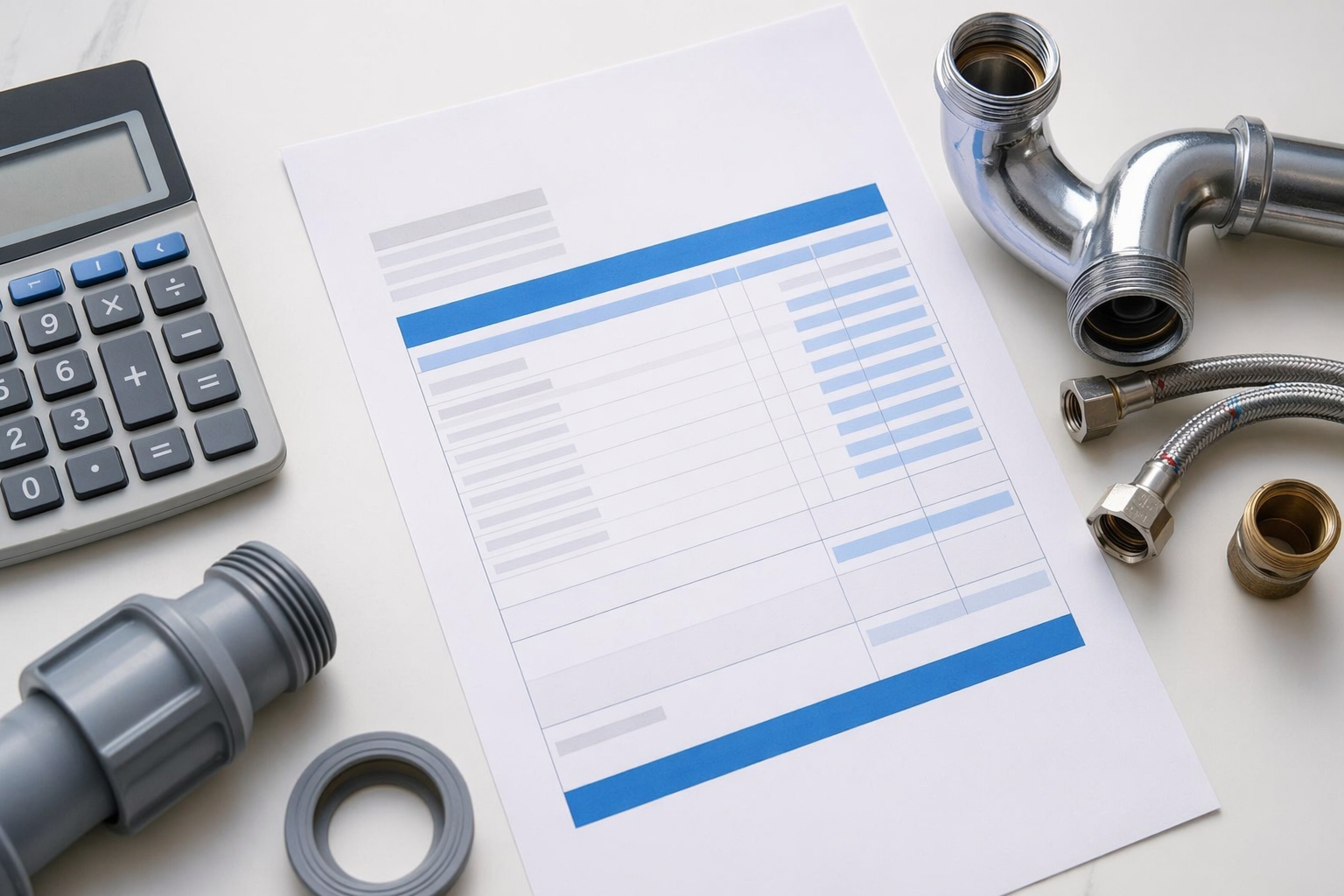
What you’ll usually pay (quick answer)
In most US areas, an emergency plumber call typically costs more than a regular visit. The most common pricing starts with a service call / dispatch fee, then additional charges for labor and parts.
Typical ranges (not quotes):
- $150–$300 for the initial emergency service call/diagnostic fee in many areas
- $300–$600+ for a basic repair after the service call (small jobs)
- $800–$2,000+ for more involved repairs (major leaks, burst lines, or multiple problem points)
Final cost depends a lot on your location, the exact issue, time of day, how urgent it is, and whether parts are needed.
MainLine Match is free for the household—we help you get connected with licensed, insured plumbers near you, but we don’t do the plumbing work or set prices.
Why emergency pricing is higher
Emergency plumbers often charge more because they’re dispatching for an urgent situation—sometimes late at night, on weekends, or during peak demand.
Common things that drive the price up or down:
- After-hours/late-night/weekend time (often the biggest factor)
- How hard the problem is to find (diagnosis can take time)
- Parts needed (valves, pipe sections, fittings, specialized components)
- Access/cleanup needs (some jobs involve extra time to reach the issue and limit damage)
- Severity (a minor clog is different from a burst pipe or sewage backup)
Cost ranges are not quotes. A licensed, insured plumber should explain the cause and then confirm the cost before doing non-urgent work.
Shut off the water first (and reduce damage)
If you have a burst pipe, major leak, or no water, the single most helpful action is to shut off your water main if you can do it safely.
This can help limit flooding and prevent more water from spreading through walls, floors, and cabinets.
- If water is actively flooding: shut off the main water supply.
- If you have sewage backup: stop using plumbing fixtures and keep people away from the affected area.
- If you smell gas or there’s water near live electrical areas: leave the area and call your local emergency number first.
How emergency plumbers typically price the job
Many emergency calls start with a service call fee. After that, the plumber may charge for:
- Labor (hourly or time blocks)
- Parts and materials
- Additional fees (for after-hours response, hauling, or disposal—varies by area)
A plumber should be able to describe what’s needed, what it will cost, and whether there are different options (for example, a temporary fix vs. a longer-term repair). If you’re being rushed, it’s okay to ask for the pricing in writing.
Red flags for scams or overcharging
Most plumbers are honest, but emergencies can make people easy to pressure. Watch for these red flags:
- Vague pricing (“You’ll see when we’re done”) with no numbers
- Scare tactics to push a huge repair on the spot
- Cash-only or refusal to provide an itemized explanation
- No license/insurance or inability to verify it for your area
- Pressure to authorize a costly repair before you understand the issue
- Promises like “guaranteed outcome” or “fixed for one low price” with no inspection
If something feels off: ask for the total cost and an itemized estimate before work starts. You can also use a free matching service like get matched for emergency help to compare options.
How to get a licensed 24/7 plumber (without guessing the cost)
Use a free matching service to quickly connect with licensed, insured plumbers near you, then confirm pricing before work.
- Tell the matcher what’s happening (burst pipe, no hot water, sewage backup, major leak, bad clog, no water).
- Share your ZIP code and preferred language.
- Ask the plumber—when they arrive—for the service call fee, labor rate or time estimate, and parts costs.
- Confirm the total before authorizing non-urgent work.
If you want more guidance, see what to do in a plumbing emergency and how plumbing costs work. For general help, use our help page.
Emergency plumbing costs more in most US areas, often starting with a service call fee and then labor and parts—MainLine Match is free to help you connect with a licensed 24/7 plumber near you.
Common questions
Is an emergency plumber more expensive than a regular plumber?
Yes. Emergency calls often include an after-hours or urgent dispatch fee and may cost more for labor due to urgency and limited scheduling. The exact total depends on the problem, parts, and your area.
What is the usual emergency service call fee?
Many US areas see emergency service/dispatch fees starting around **$150–$300**, but it varies by location, time, and how complex the diagnosis is. A plumber may then add labor and parts.
Will I get a fixed price over the phone?
Sometimes you may get a rough estimate, but a true fixed price usually isn’t possible until the plumber inspects the problem. Any number given by phone should be treated as an estimate, not a quote.
How do I avoid overpaying during an emergency?
Ask for the pricing breakdown (service call, labor, parts) before authorizing repairs, and request itemized information if the bill is unclear. Use a free matching service to find reputable, licensed, insured options and verify their credentials.
What if the plumber says I need a big repair right away?
It’s reasonable to ask what’s causing the issue, what the options are, and the cost to do each option. If you feel pressured, ask for a written estimate and consider getting a second opinion if it’s safe.