Quick answers
How much does it cost to fix a sewer backup?
A sewer backup can be stressful, and costs can vary a lot. Below are honest cost ranges and what changes the price—plus a free way to connect with a licensed 24/7 emergency plumber near you.
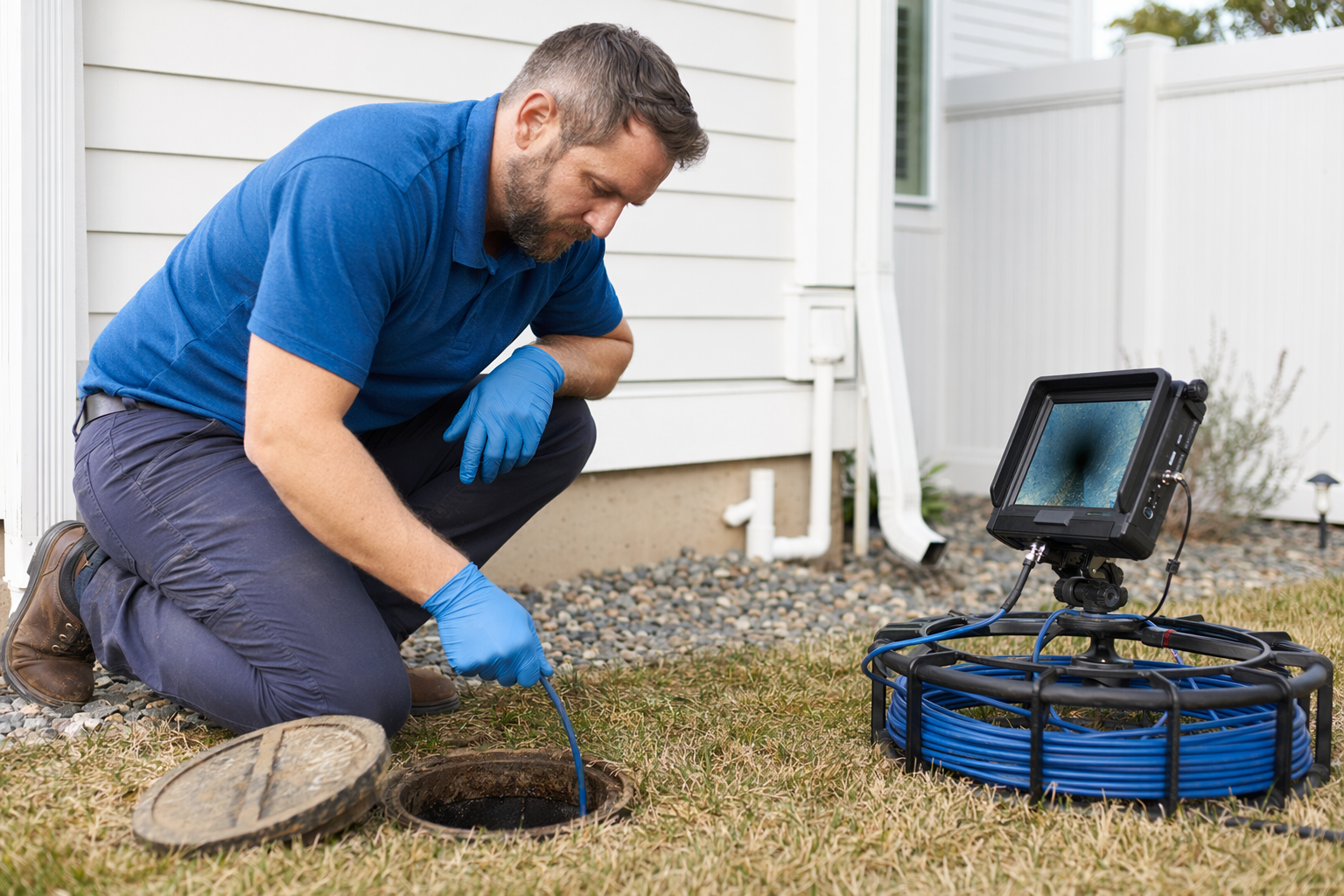
What it usually costs (quick ranges)
Most sewer backup repairs cost more when the blockage is deeper, the clog is complex, or there’s damage cleanup.
Here are common US price ranges for emergency situations (not quotes):
- Emergency call + basic diagnosis: $150–$400
- Unclogging with a drain/pipe service (typical): $200–$600
- More advanced clearing (after-hours, tougher lines): $500–$1,500
- If the sewer line needs more extensive work (camera/repairs/parts): $1,500–$4,000+
- Cleanup and restoration (especially if wastewater spread): $500–$5,000+ (depends on cleanup size and materials)
If it’s a full stoppage, backup into multiple fixtures, or wastewater has spread, the total can be higher than these ranges.
Costs vary by area, time of day (after-hours costs more), parts needed, and how long access and labor take. These ranges are general information—your local plumber will confirm the specific issue and price after checking it.

What drives the price up or down
The biggest cost differences usually come from (1) what’s causing the backup and (2) how much cleaning is needed.
Common factors that affect cost:
- Severity: Partial backing up vs. a complete stoppage
- Location: Main sewer line vs. a branch line; closer to the home usually takes less time
- Access: Tight spaces, distance to the cleanout, or needing special equipment
- Tools required: Basic clearing vs. hydro-jetting, sewer camera inspection, or multiple attempts
- Damage: If wastewater reached walls, floors, carpets, or cabinets, cleanup/restoration can add a lot
- Timing: Evening/weekend/holiday emergency service often costs more
- Permits/municipal rules: In some areas, additional steps are required for sewer work
Also note: “Sewer” costs can split responsibility depending on what’s owned by the household vs. the city/utility. That varies by location—licensed, insured plumbers can explain what’s typical where you live, but local rules decide.
How the plumber typically approaches pricing
You may hear different line items. A clear, itemized plan helps you avoid surprises.
Typical components (names can vary):
- Emergency service fee for after-hours response
- Inspection/diagnosis (often including camera or test to locate the blockage)
- Clearing service (labor + equipment)
- If needed: parts, repairs, or more advanced techniques
- Cleanup/restoration recommendations (sometimes handled by other specialists)
A good plumber should explain what they’re doing and why, then confirm the expected cost before major work begins. You can ask: “Can you give me the price range for this step before you start?”
Red flags: how to avoid scams and overcharging
In emergencies, scammers try to pressure people with fear. You still have the right to get clear info.
Watch for these red flags:
- Vague pricing (“It’ll be a lot, we’ll see”) or no itemized estimate
- Pressure to authorize a huge repair immediately without explaining options
- Cash-only requests or refusing to show licensing/insurance
- “Scare tactics” about damage that can’t be explained or documented
- No license number, no clear paperwork, or work described but not priced first
- Promises like guaranteed results or a fixed arrival time
If anything feels off, ask for the price in writing before work starts (at least for the first stage), and confirm the plumber is licensed and insured in your area.
What to do before help arrives (to limit damage)
Follow your plumber’s instructions, but here are general steps many homeowners can take to reduce further backup and mess.
- Shut off your water main if you can do so safely—this helps stop more water from feeding the sewer backup.
- Stop using toilets, showers, sinks, and any appliances connected to the drain system.
- If sewage is already present, keep people and pets away from affected areas.
- If you have standing water near anything electrical, or you smell gas strongly, leave the area and call your local emergency number first.
- If safe, take photos or short videos of the affected areas and the general level of backup—this can help the plumber understand what happened.
- Tell the plumber what you noticed first (toilet vs. sink vs. bathtub), when it started, and whether multiple drains are affected.
These steps are about limiting spread, not “fixing” the plumbing. A licensed, insured professional should handle the cause and any sewer work.
Get a free match to an emergency plumber (24/7)
MainLine Match is a FREE matching service. We don’t do plumbing work, and we’re not a licensed plumber—our job is to connect you with licensed, insured 24/7 emergency plumbers near you.
To get matched quickly, submit only contact + problem intent:
- Name and phone
- Optional email
- Problem type (sewer backup)
- Your ZIP code
- Preferred language
Then the matched plumber can assess the situation and discuss exact pricing. For emergency work, after-hours fees may apply, and the final cost depends on what they find.
If you want, start here: get matched now and review more basics in guides or pricing tips in costs. If you need help using the site, visit help.
Sewer backup costs commonly run from a few hundred dollars to several thousand, depending on the cause, time of day, and how much cleanup is needed—use MainLine Match to get a free match to a licensed 24/7 emergency plumber.
Common questions
Is a sewer backup always expensive?
Not always, but it often is. Many backups start with an emergency call and clearing the line, which can range from a few hundred dollars, while bigger causes or wastewater cleanup can make totals much higher.
Why do quotes for sewer backups vary so much?
Because the real cause can be different (partial clog vs. full stoppage, deeper location, damaged pipe) and the time of day affects costs. Plumbers may also need inspection tools like a camera to find the blockage.
What’s the difference between clearing the clog and repairing the sewer line?
Clearing is about removing what’s blocking flow. Repair is usually needed if the line is damaged or collapsed, if roots or cracks keep causing backups, or if inspection shows a structural issue.
How can I make sure I’m not overcharged?
Ask for a clear, itemized estimate before major work, confirm the plumber is licensed and insured, and avoid pressure to authorize large repairs on the spot. If pricing is unclear, ask what each step costs and what alternatives you have.
Does the city or utility pay for sewer backups?
Sometimes, but it depends on local rules and where the problem is (service line vs. main line). A licensed plumber can explain typical responsibility in your area, but local jurisdiction rules decide.
Can I stop the backup while waiting for the plumber?
You can usually limit further backup by shutting off your water main and not using toilets or other drains. If sewage is near electricity or you smell gas, leave and contact your local emergency number first.