Quick answers
How much does a plumber charge to unclog a drain?
Most drain clogs cost a few hundred dollars to clear, but the price can rise fast if it’s after hours, deep in the line, or needs a camera or sewer work. If water is backing up now, stop using fixtures and shut off water to the affected fixture if you can.
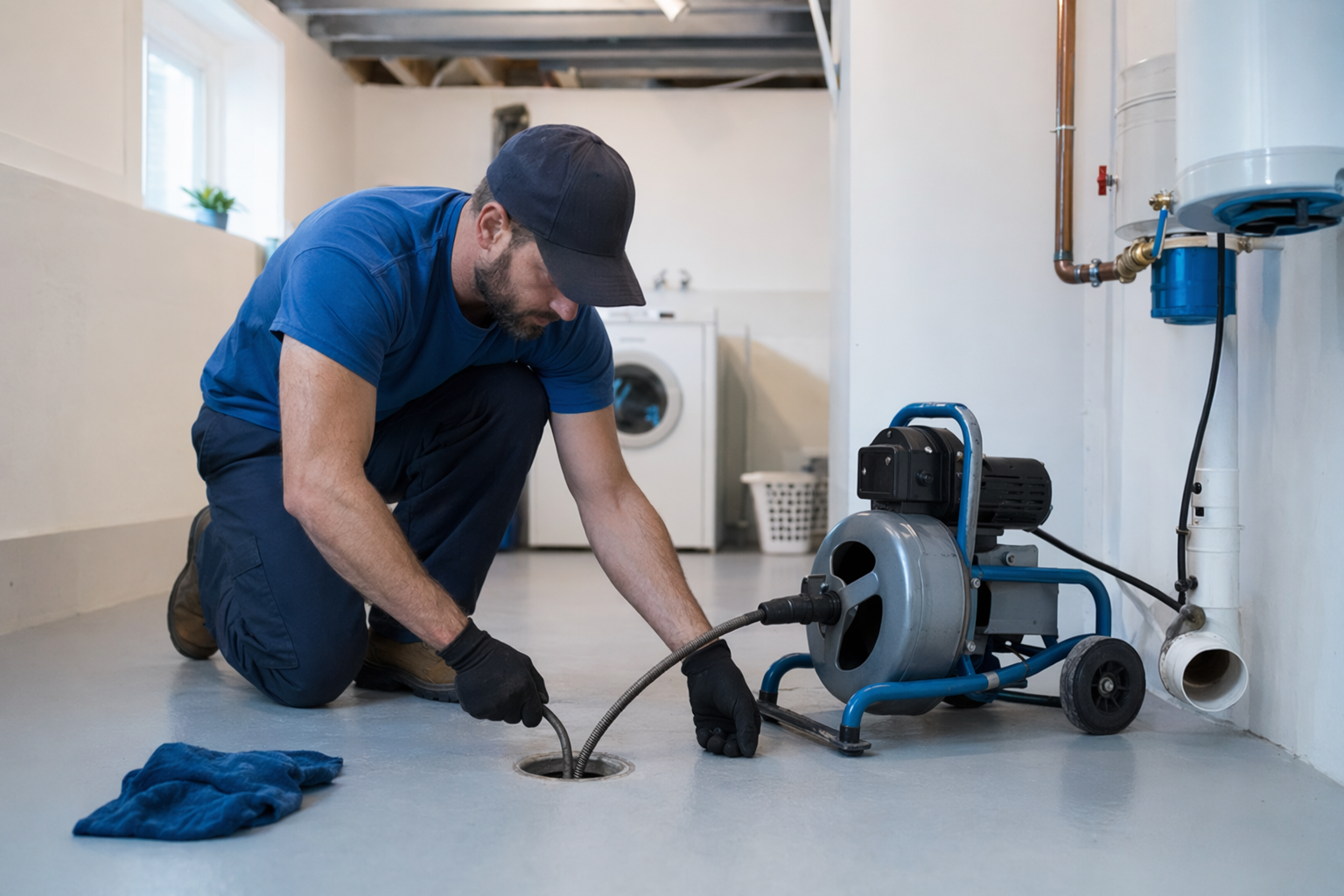
What to do right now if a drain is backing up
- Stop running water right away. Do not use the sink, toilet, shower, dishwasher, or washing machine connected to the backed-up drain.
- If one fixture is overflowing, shut off water to that fixture if you can. If water keeps rising or a pipe may be leaking, shut off your home’s main water.
- Keep people and pets away from dirty water. Put down towels or a bucket only if it is safe.
- If water is near outlets, cords, or appliances, leave the area and call your local emergency number first.
- If you smell gas, leave right away and call your local emergency number first.
- Then get matched with a licensed, insured plumber near you.
MainLine Match is a free matching service. We do not do plumbing work, and this page gives general information only.
Short answer: what plumbers usually charge to unclog a drain
For a simple drain clog, many homeowners pay about $100 to $300. A more stubborn clog or after-hours visit may run about $250 to $500. If the plumber needs a cable machine for a deeper blockage, uses a camera, or the problem is in the main sewer line, the total can be several hundred dollars more.
Very rough examples in many US areas:
- Simple sink, tub, or shower drain: about $100 to $300
- Toilet clog: about $150 to $350
- Branch line clog deeper in the home: about $200 to $500
- Main sewer line clearing: about $300 to $800+
- Camera inspection, if needed: about $150 to $400+
These are not quotes. The real price depends on what is clogged, how deep the clog is, what tools are needed, the time of day, parts, and your area.
Why the price can be low in one home and much higher in another
The biggest cost factor is where the clog is. A hair clog close to a shower drain is usually faster and cheaper than a blockage far down the line. Toilet clogs can be simple, but if the issue is past the toilet and into a branch line or the main line, the job can take more time and equipment.
Time matters too. Nights, weekends, and holidays usually cost more. So do repeated backups, homes with older plumbing, roof vent access, or situations where the plumber needs to remove a toilet, use a longer cable, or inspect the line with a camera.
If sewage is backing up in more than one drain, the issue may be in the main sewer line. That often costs more than a single-fixture clog, and responsibility can vary by area, building type, landlord rules, or where the line is located.
What is usually included, and what may cost extra
Many plumbers charge either a flat rate for a common clog or a service-call plus labor model. A basic unclogging visit may include diagnosis, snaking the drain, and testing that water is flowing again. Some companies roll the service-call charge into the final price; some do not. Ask before they start.
Possible extra charges can include:
- After-hours or emergency visit fees
- Camera inspection
- Toilet removal and reset
- Roof access or difficult cleanout access
- Hydro jetting for heavy buildup
- Repairs if the line is broken, collapsed, or leaking
Ask for the full price in writing before work starts. You stay in control: you confirm the price first, choose who to hire, and confirm the work is done before paying the final amount.
Red flags and common overcharging tricks
A fair plumber should be able to explain the problem in plain words and give you a written price before work begins. Be careful if someone is vague about pricing, tries to scare you into a huge repair right away, says they can only take cash, or cannot show proof of license or insurance if your area requires it.
Another red flag is pressure. If someone says you must approve a very expensive sewer replacement immediately without clear proof, slow down if it is safe to do so. A camera inspection image, a written scope of work, and a second opinion can help on larger jobs.
If you need help finding someone, MainLine Match is free for households. We only collect basic contact and problem details to help connect you: name, phone, optional email, problem type, ZIP, and preferred language.
How to get a plumber without overpaying
If the clog is urgent, ask for a licensed, insured plumber and ask these questions before they come or before work starts:
- Is there a service-call fee?
- What is the price range for this kind of drain clog?
- Does after-hours pricing apply?
- What would cost extra?
- Will you give the price in writing before work begins?
If you are not in immediate danger and the drain is slow rather than overflowing, you can compare a couple of written prices. Just remember that the cheapest number is not always the best if it does not include the full job.
You can also read more plain-language help in our guides and costs hub, or get matched now with a nearby plumber. MainLine Match is not a plumbing company, and we cannot promise a price, arrival time, or specific outcome.
Most drain clogs cost around $100 to $300, but deeper, after-hours, or sewer-line problems can cost more, so stop using water and get the price in writing before work starts.
Common questions
How much does it cost for a plumber to snake a drain?
Often about $100 to $300 for a simple drain, but deeper or harder clogs can cost more. Nights, weekends, and sewer-line problems usually raise the price.
Why did I get quoted much more than my neighbor for a drain clog?
The clog may be in a different place, need different tools, or happen after hours. Ask what is included, what the plumber believes is clogged, and get the price in writing before work starts.
Is a toilet clog cheaper than a main sewer line clog?
Usually yes. A basic toilet clog is often less expensive than a blockage in the main line, which may need more time, larger equipment, or a camera inspection.
Should I call a plumber if more than one drain is backing up?
Yes, that can point to a larger line problem. Stop using water right away, keep away from sewage, and get a licensed plumber involved as soon as you can.
Can MainLine Match give me a quote?
No. MainLine Match is a free matching service, not a plumbing company, so we do not quote or perform work. We help connect you with licensed, insured plumbers near you.
What information do I need to give to get matched?
Just basic contact and problem details: your name, phone, optional email, problem type, ZIP code, and preferred language. We do not need financial account numbers, Social Security numbers, or income details.