Services
Drain clearing and sewer cleaning
If water or sewage is backing up, act fast but stay calm. Start by stopping water use in the home, then get a licensed plumber to find and clear the blockage safely.
What to do right now
- Stop using water in the home right away. Do not flush toilets, run sinks, use the shower, washing machine, or dishwasher.
- If sewage is coming up from a drain or toilet, keep people and pets away from that area.
- If water is near outlets, cords, or electrical equipment, leave the area and call your local emergency number first.
- If the problem is only one sink or tub, try not to use that fixture. If multiple drains are backing up, treat it like a main sewer problem.
- Take a few photos if you can do so safely. This can help explain the problem.
- Get matched with a local plumber through MainLine Match. We are a free matching service, not a plumbing company, and we do not perform plumbing work.
What drain clearing and sewer cleaning usually means
Drain clearing is the work plumbers do to remove clogs from sinks, tubs, showers, toilets, floor drains, and the pipes connected to them. Sewer cleaning usually means clearing a blockage farther down the main drain or sewer line that carries wastewater out of the home.
A small clog may affect one fixture. A bigger problem in the main line often shows up in several places at once — for example, a toilet bubbles when the shower runs, or sewage backs up in a basement drain when you use the kitchen sink.
Plumbers use different methods depending on where the blockage is, what caused it, and how severe it is. Common causes include grease, wipes, hair, soap buildup, food waste, roots, scale inside old pipes, or a damaged sewer line. The right fix depends on diagnosis, not guessing.
If you are not sure whether you have a simple clog or a sewer backup, emergency plumbing help may be the safest place to start.
How plumbers diagnose the problem
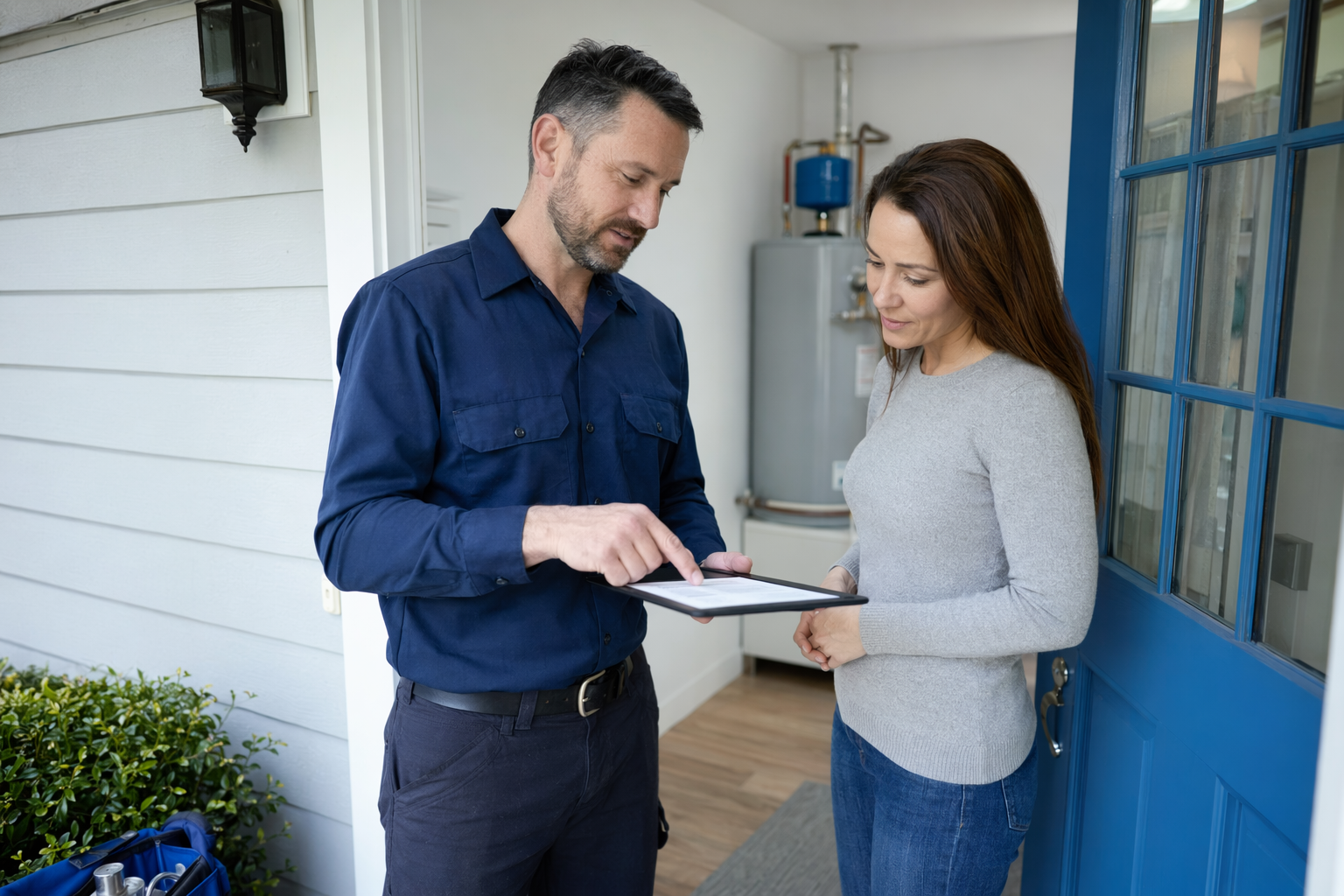
A licensed plumber usually starts by asking what is backing up, when it started, and whether one fixture or many fixtures are involved. They may test a few drains, look for cleanouts, and check whether the blockage seems close to a single drain or deeper in the main line.
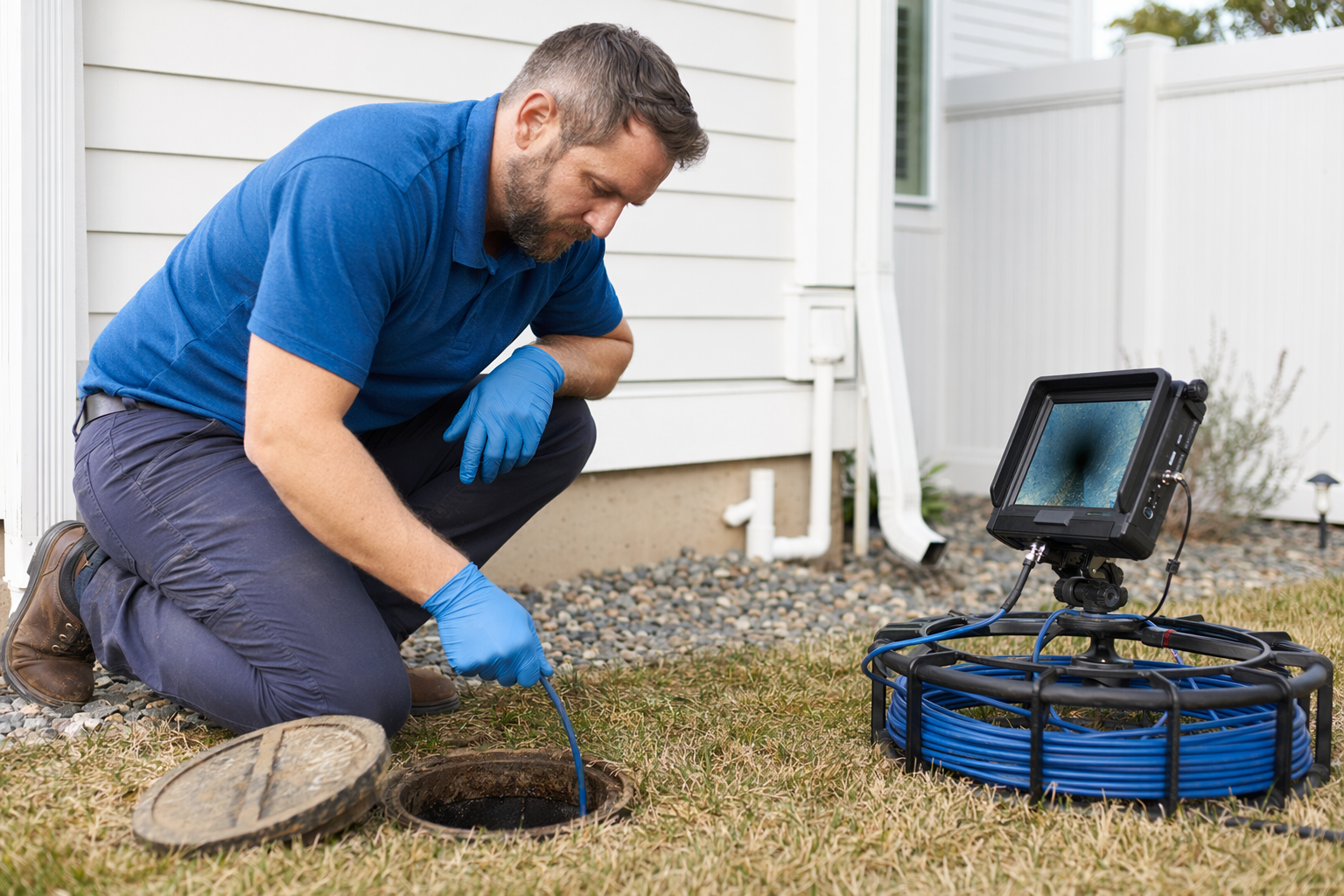
For tougher or repeat problems, many plumbers use a drain camera inspection. A small camera goes into the pipe so they can see grease buildup, roots, a collapsed section, standing water, or another problem. This helps avoid paying for the wrong service.
Common tools and methods include:
- Hand augers or drain snakes for smaller branch-line clogs
- Toilet augers for toilet-specific blockages
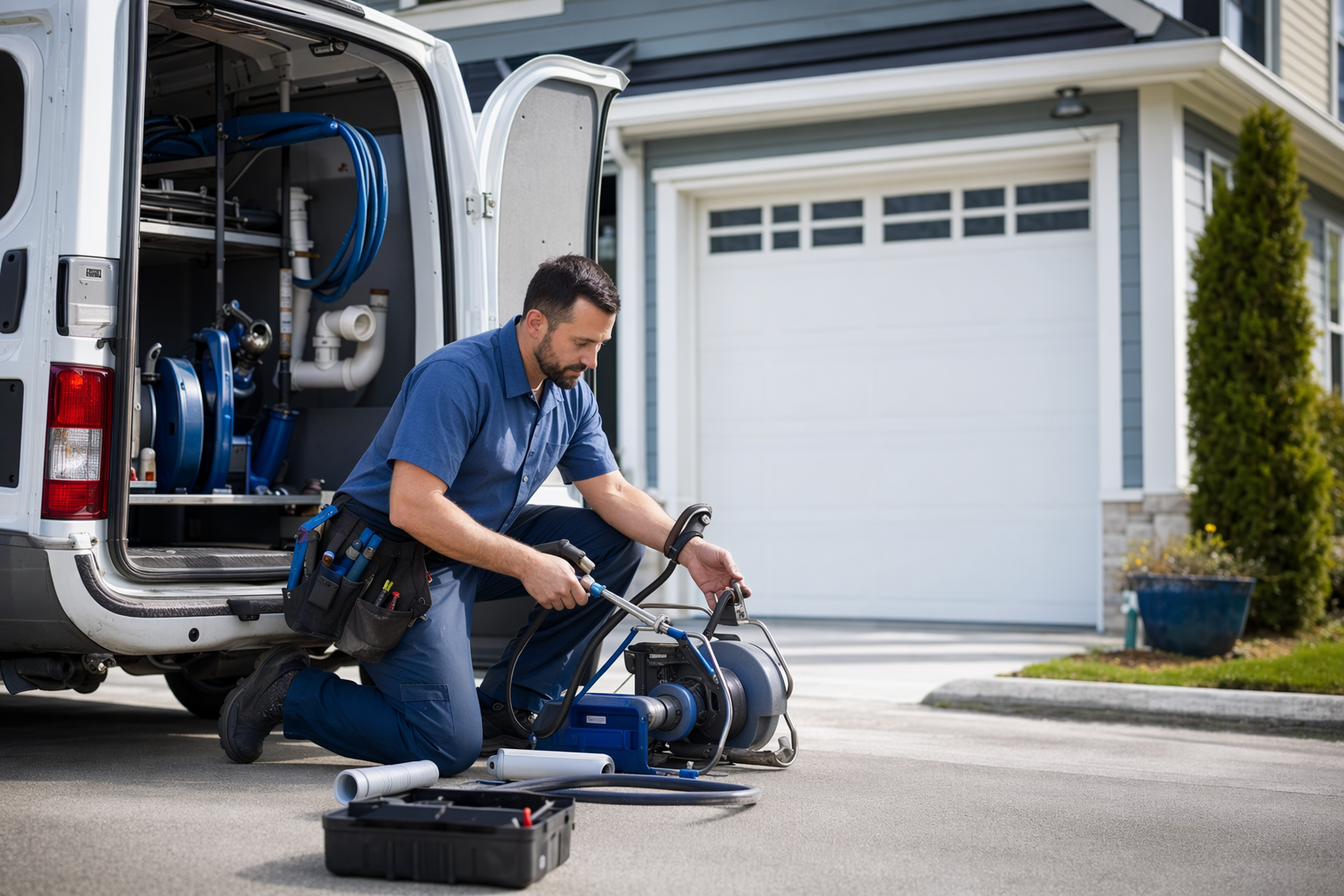
- Motorized cable machines for more stubborn drain and sewer clogs
- Hydro-jetting to wash heavy buildup from pipe walls with high-pressure water
- Camera inspection to confirm the cause and check the pipe condition
A good plumber should explain what they found, what they recommend, and what the price is before work starts. Get the price in writing first.
How the clog is usually cleared
For a typical sink, tub, or shower clog, a plumber may use a snake or auger to break through and pull out the blockage. This is often enough when the problem is hair, soap, or a localized buildup.
For a main sewer line blockage, they may run a larger cable machine through a cleanout or another access point. If roots or thick sludge are inside the line, hydro-jetting may be recommended to scrub the pipe walls more thoroughly than a basic snake can.
If the line keeps clogging, cleaning alone may not solve the problem. A camera inspection may show roots growing back, pipe scale in older cast iron, a belly in the line, or a broken section. In that case, the plumber may recommend repair or replacement instead of repeated cleanings.
The best method depends on the pipe type, age, condition, and local code. A licensed plumber can tell you what is appropriate for your home.
What it may cost
Prices vary a lot by area, time of day, how severe the blockage is, what equipment is needed, and whether parts of the line are damaged. After-hours, weekend, and holiday calls usually cost more. These are general ranges, not quotes.
Common ranges people may see:
- Simple drain snaking for one fixture: about $100-$300
- Toilet auger or toilet clog service: about $125-$350
- Main line or sewer snaking: about $250-$800
- Camera inspection: about $150-$500
- Hydro-jetting: about $300-$1,000+
- Emergency after-hours visit: often adds to the total
If the plumber finds a broken, collapsed, or root-damaged sewer line, repair costs can rise well beyond cleaning costs. That is one reason repeated backups should be taken seriously.
You can read more about typical pricing on our cost guides, but the real number depends on your problem, the time of day, the needed equipment, and your location.
What to watch for and how to choose a plumber
Call quickly if you notice sewage smells indoors, water coming up from a floor drain, multiple fixtures draining slowly at the same time, toilet bubbling, or backup after running the washing machine or dishwasher. Those signs can point to a main line problem instead of a small clog.
Be careful with very cheap offers or pressure tactics. Common red flags are vague pricing, scare tactics, cash-only demands, no proof of license or insurance, and pressure to approve a huge repair immediately without explaining why. You stay in control: confirm the price before work starts, choose who to hire, and confirm the work is done before paying the final amount.
MainLine Match is free for the household. We are not a plumbing company, and we do not do plumbing work. We simply help connect you with local plumbers. We only collect contact and problem details such as your name, phone, optional email, problem type, ZIP code, and preferred language.
To get help, use our matching service or browse service information. Ask whether the plumber is licensed and insured, whether they handle drain and sewer emergencies, and whether they can give written pricing before work begins.
If drains are backing up, stop using water and get a licensed plumber to find and clear the clog before it gets worse.
Common questions
Is this a normal clog or a sewer line backup?
If only one sink, tub, or toilet is affected, it may be a local clog. If several drains are slow or backing up, or sewage comes up in a lower drain when you use water elsewhere, it may be a main sewer line problem.
Should I use chemical drain cleaner?
Many people try it, but it may not fix a serious blockage and can complicate later work. For repeated clogs, backups, or sewer problems, a licensed plumber usually needs to diagnose the cause.
What is hydro-jetting?
Hydro-jetting uses high-pressure water to clean buildup from inside pipes. It can work well for grease, sludge, and some root-related buildup, but a plumber should decide whether your pipe condition is suitable for it.
Do I always need a camera inspection?
Not always. For a simple one-time clog, a plumber may clear it without a camera. For repeat clogs, sewer backups, or suspected pipe damage, a camera can help show what is really going on.
Who pays for a sewer problem?
It depends on where the problem is, your local rules, and whether you own or rent. Responsibility can vary by city, utility, landlord-tenant arrangement, and exactly which part of the line is affected.
How fast can I get a plumber?
Availability depends on your area, the time of day, weather, and how busy local plumbers are. MainLine Match cannot promise an arrival time or a specific plumber, but we can help you request help quickly.