Services
Gas lines, water heaters and safety
If you smell gas, leave first. Then call your local emergency number or gas utility from outside. This page gives general information only and helps you understand when to call a licensed plumber.
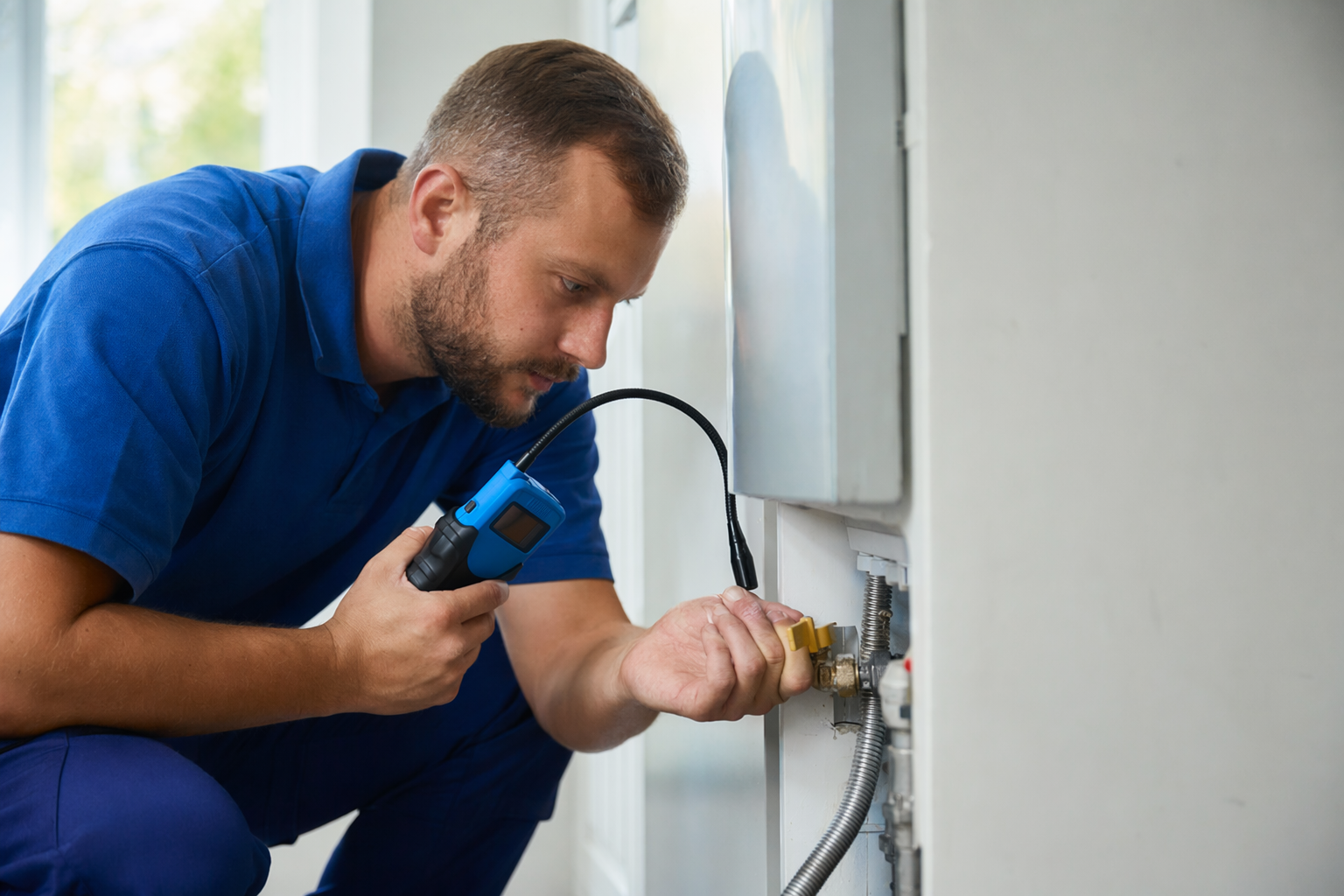
What to do right now
- If you smell gas, hear hissing, or feel unsafe: leave the home or building right away.
- Do not flip light switches, use plugs, use a phone inside, light matches, or start a car in an attached garage.
- Once you are outside and away from the building, call your local emergency number or your gas utility.
- If water is near live electricity, leave and call your local emergency number first.
- If it is safe and you know how, shut off the water only for a water leak — not a gas problem.
- After emergency responders or the gas utility say it is safe, contact a licensed, insured plumber for gas-line or water-heater-related work.
MainLine Match is a free matching service, not a plumbing company, plumber, or contractor. We do not perform plumbing work.
We can help connect you with licensed, insured, 24/7 emergency plumbers near you through get matched if you need help finding someone.
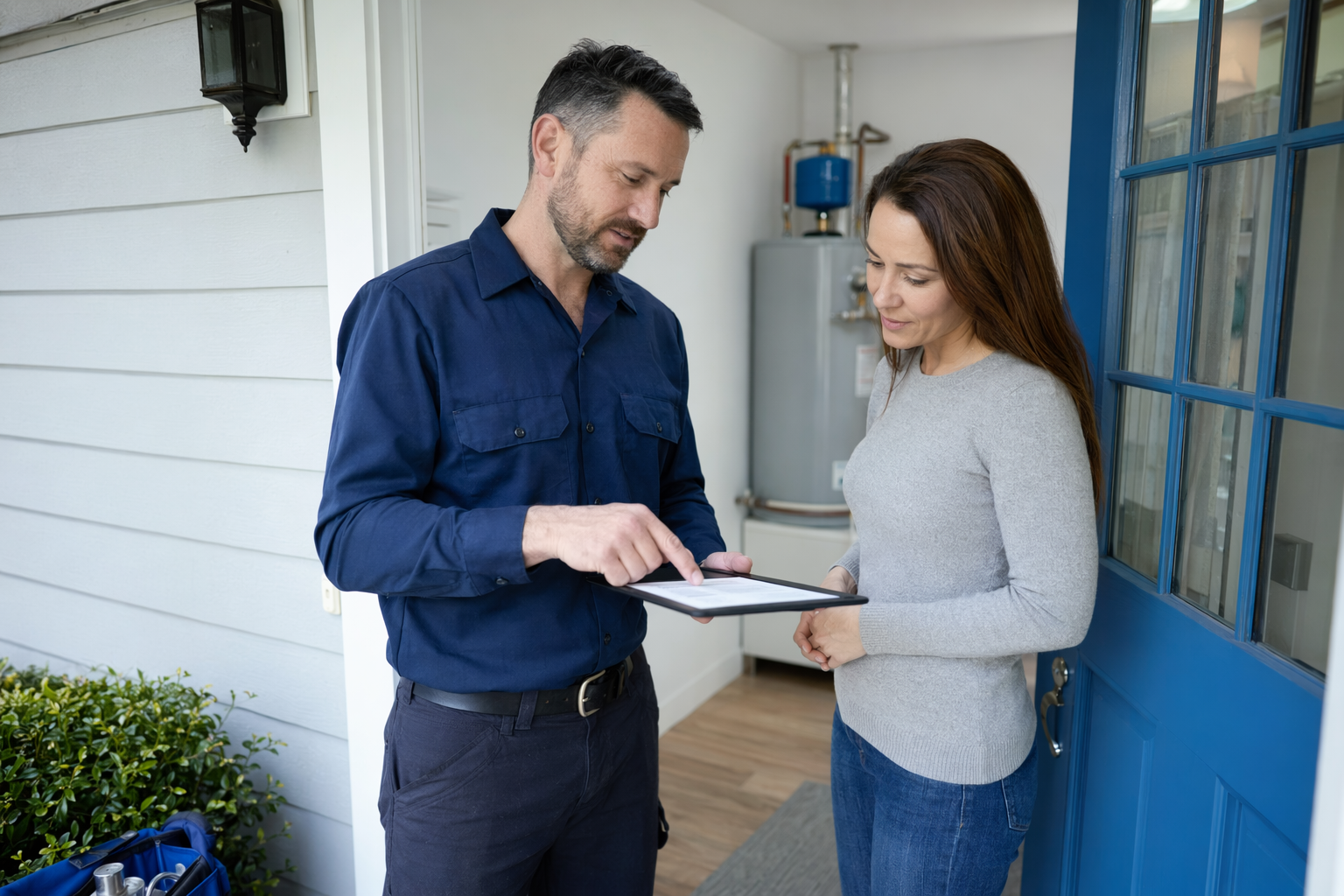
When plumbing and gas safety overlap
Some plumbing systems connect to fuel-burning equipment, especially gas water heaters, boilers, and some appliances. Problems may involve the water line, the gas supply line, the venting, or the drain pan and discharge piping. That is why gas smells around a water heater or utility area should be treated seriously.
A plumber may handle certain gas-line and water-heater-related work, depending on local rules and licensing. In some areas, gas utility workers, HVAC contractors, or other specialists may also be involved. Rules, permits, and who is allowed to do the work vary by state, city, and utility.
Common warning signs include a gas smell, a hissing sound near piping, soot or scorch marks, rust around a water heater, a pilot that will not stay lit, no hot water, leaking around the tank, unusual noises, or water pooling near the heater. Sewage smells and gas smells can be confused by some people under stress, so it helps to describe exactly what you notice when you call.
How plumbers diagnose the problem
After the area is declared safe to enter, a licensed plumber will usually start by identifying whether the issue is with the water heater itself, the water piping, the gas piping, venting, shutoff valves, or a nearby fixture. They may inspect visible connections, valves, fittings, the flue or vent, signs of corrosion, water leaks, ignition components, burner operation, and whether the unit has been installed correctly.
For water-heater complaints, they may check whether the problem is no hot water, too little hot water, discolored water, leaking, popping noises, or pressure concerns. For gas-line concerns, they may isolate sections, test fittings and joints, and look for code or installation issues. Exact test methods and required steps vary by equipment type and local code.
If the unit is old, badly corroded, unsafe, or not worth repairing, the plumber may recommend replacement instead of repair. The household should get the price in writing before work starts, ask what is included, and confirm whether permits, parts, disposal, and after-hours charges are extra.
What the repair or replacement may involve
The fix depends on the cause. A plumber may tighten or replace fittings, replace valves, repair or replace sections of water line, replace supply connectors approved for the application, address venting concerns, or replace a failing water heater. Some jobs are small and local. Others involve bringing older work up to current code, which can increase cost.
For a leaking or failed water heater, replacement may include removing the old unit, installing a new tank or tankless system, reconnecting water lines, checking shutoff valves, connecting venting where required, testing for proper operation, and making sure the area is safe and dry. In some homes, extra work may be needed for drain pans, expansion tanks, seismic strapping, vent updates, or access.
For gas-line work, local requirements matter a lot. The plumber may need permits, inspections, utility coordination, or pressure testing depending on the job. That is one reason to avoid anyone who says they can do gas work cash-only, with no license, no permit when one is required, or no written price.
Typical costs and what changes the price
Costs vary a lot by area, the exact problem, equipment type, parts, access, and time of day. These ranges are general information only, not quotes. After-hours, weekends, and holidays usually cost more.
A service call or diagnostic visit may be around $75-$250. Minor water-heater repairs can sometimes fall around $150-$600. More involved repairs, valve work, vent-related corrections, or gas-line repairs can be several hundred dollars to over $1,500 depending on the parts and complexity. Water-heater replacement often ranges from about $1,200-$3,500+ for many standard jobs, while tankless or more complex installations can run higher.
Price can go up if there is emergency timing, difficult access, permit or inspection requirements, code upgrades, water damage, older piping, specialty parts, or the need to coordinate with the gas utility. Ask for the full price before work starts, what could increase it, and whether there is a separate charge for emergency response, parts, permits, haul-away, or return visits.
You can read more about common price ranges on our costs page, but the real number depends on your home, your area, and what the licensed plumber finds on site.
What to watch for and how to avoid overpaying
In a stressful emergency, it is easy to feel pushed into a huge repair. Slow the conversation down if you can. You are still in control. A trustworthy plumber should explain the problem in plain language, show you the issue when possible, and give you a written price before work begins.
Watch for vague pricing, scare tactics, pressure to authorize a full replacement immediately without explanation, cash-only demands, refusal to show license or insurance information, or claims that a price is valid only "right now" if you agree on the spot. Those are common warning signs.
Helpful questions to ask:
- Are you licensed and insured for this type of work in my area?
- What is the diagnosis?
- Is this a repair or replacement, and why?
- What is the total price before work starts?
- Are permits or inspections needed?
- Does this price include parts, labor, and emergency charges?
- What could change the price?
If you are trying to find help fast, start with our emergencies and services pages, or go straight to get matched to request a licensed, insured plumber near you.
How MainLine Match helps
MainLine Match is free for the household. We are a free matching service, not a plumbing company, and we do not do plumbing work ourselves. We help connect people in the United States with participating licensed, insured plumbers, including for urgent water-heater and plumbing-related safety problems.
We only collect basic contact and problem details: name, phone, optional email, problem type, ZIP code, and preferred language. We do not ask for financial account numbers, Social Security numbers, income details, or sensitive personal records.
You choose who to speak with, confirm the price before work starts, and confirm the work is done before paying the final amount. We cannot promise a specific plumber, a fixed price, or an exact arrival time, but we can help you take the next step quickly.
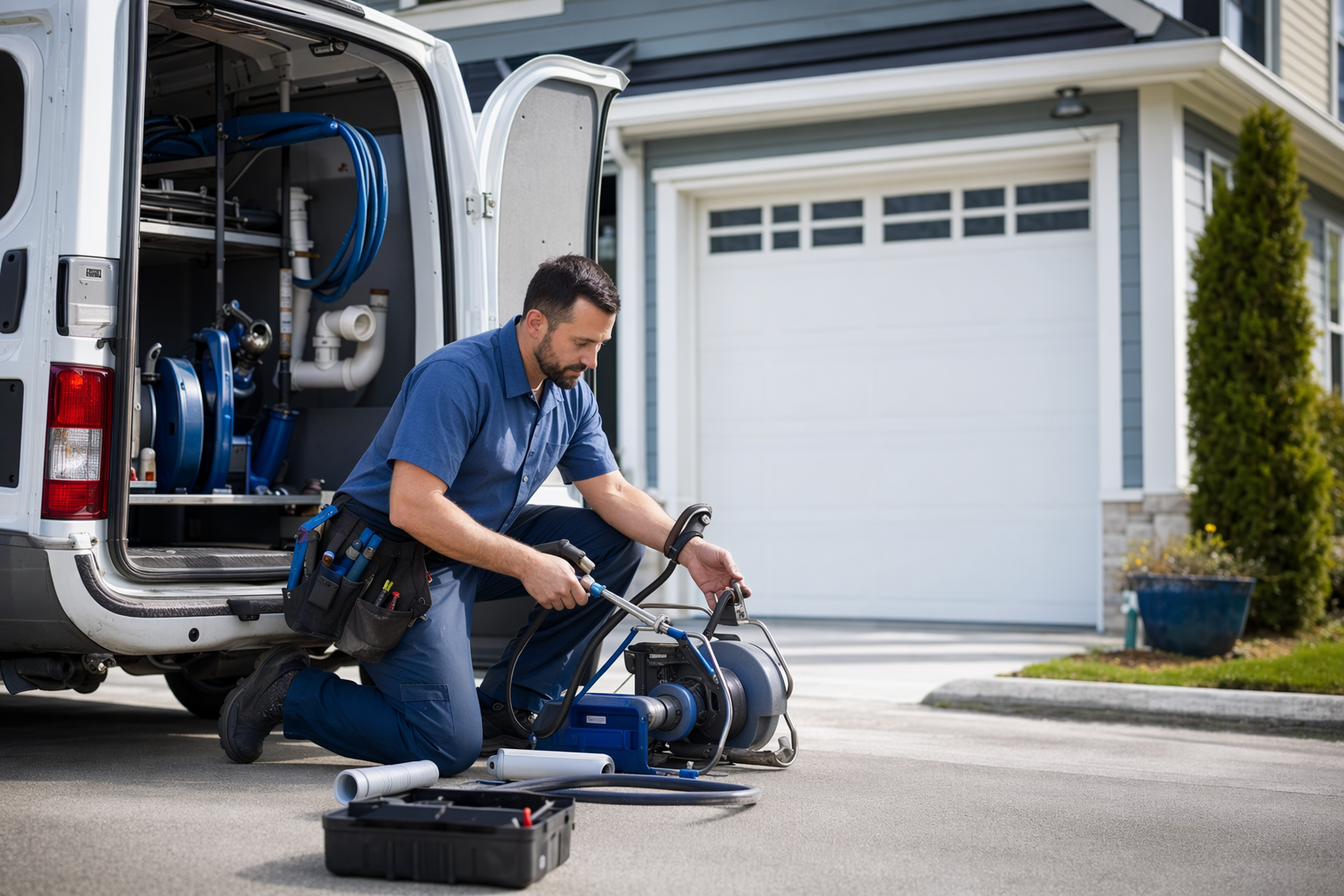
If you smell gas or see water near electricity, leave first and call emergency help from outside; after it is safe, MainLine Match can help you find a licensed, insured plumber.
Common questions
I smell gas near my water heater. What should I do first?
Leave the building right away. Once you are outside and away from the home, call your local emergency number or gas utility. Do not use switches, plugs, flames, or a phone inside.
Can a plumber fix a gas line?
In many areas, licensed plumbers can handle certain gas-line work, but local rules vary. Always ask if they are licensed and insured for that specific type of work in your area.
Is a gas smell always a plumbing problem?
No. It could involve the utility, a gas appliance, piping, venting, or another issue. Treat it as an emergency first, then let the proper professionals identify the cause.
How much does emergency water heater or gas-line work cost?
Small repairs may be a few hundred dollars, while complex repairs or replacement can cost much more. After-hours timing, permits, parts, and local labor rates can all raise the price, so ask for the total in writing before work starts.
What if there is water leaking near electrical equipment?
Leave the area and call your local emergency number first if there is water near live electricity or you are not sure it is safe. Do not step into standing water around electrical hazards.
What information do I need to get matched with a plumber?
Usually just your name, phone, optional email, problem type, ZIP code, and preferred language. MainLine Match does not ask for bank account numbers, Social Security numbers, or income information.