How we've helped
A midnight burst pipe handled the calm way
A midnight burst pipe can feel scary, but you can often prevent more damage with a few calm steps. Here’s an anonymized, illustrative story showing what worked—plus how to get connected with a licensed 24/7 plumber.
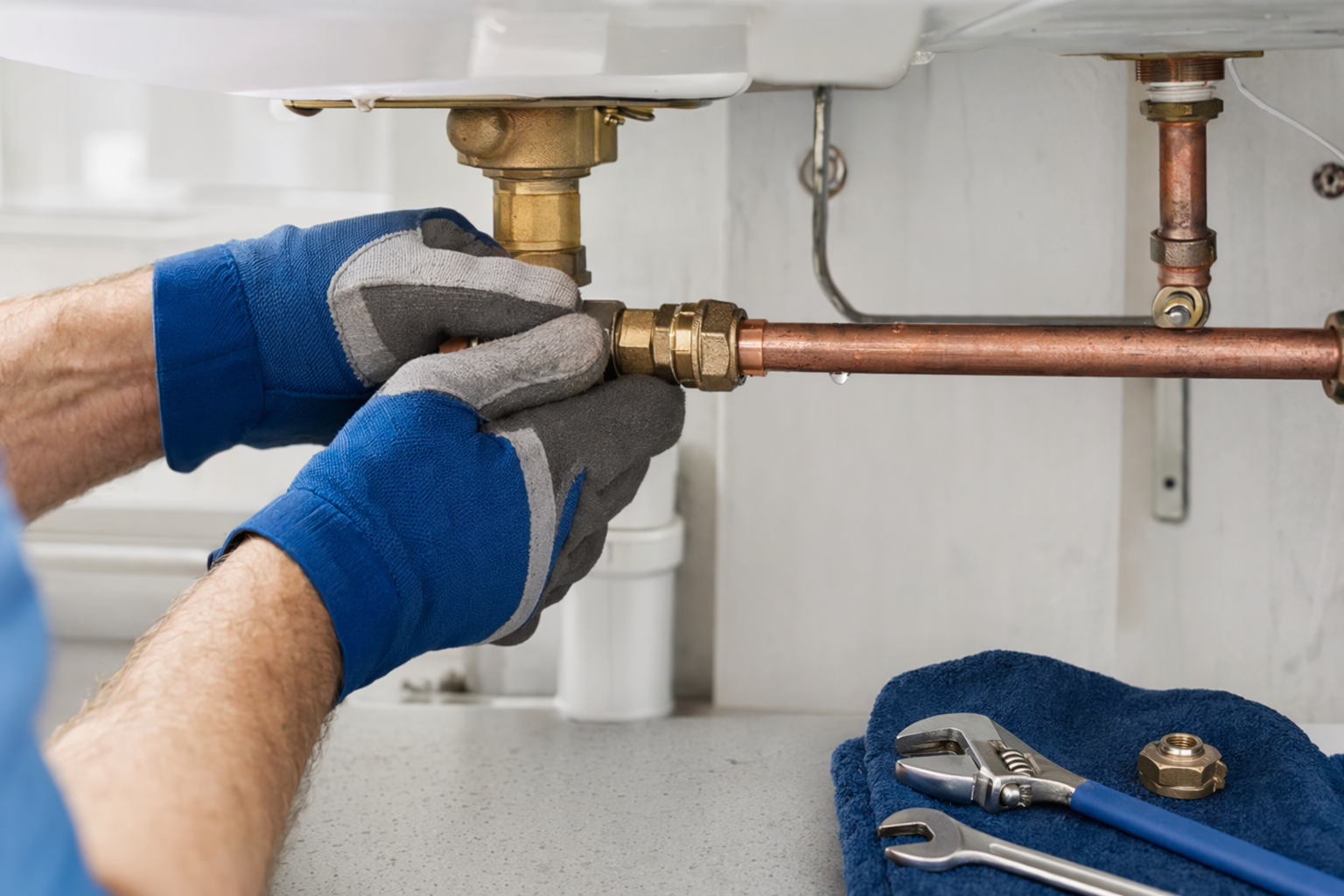
What to do right now (so you stay in control)
- Turn off the water main as soon as you can (this usually stops the flooding).
- If water is near any electrical outlets/appliances, don’t touch them—move people away and ask a licensed professional for safe guidance.
- Shut off the cold/hot water to the affected area if you can do so without risk.
- Call for a 24/7 licensed, insured emergency plumber and be ready to describe what happened (where the leak is, whether it’s flooding, and when it started).
MainLine Match is a FREE matching service that connects you with nearby emergency plumbers. We don’t do plumbing work ourselves.
- If you smell gas or you see water near live electrical sources, leave the area and call your local emergency number first.
Illustrative story: calm steps during a midnight burst pipe (NOT a real named client)
This is an anonymized, illustrative story. It’s meant to show a realistic approach—not to describe one specific person or guarantee how things will go.
It was about midnight when the homeowner heard a sudden rush of water. The first reaction was panic—until they remembered one clear priority: stop the water. They found the shutoff for the main water line, turned it off, and then focused on keeping the situation from getting worse.
Next, they took a quick look from a safe distance: where the water was coming from, how fast it was spreading, and which rooms had the worst pooling. They put a towel down only where it was safe, moved a few items away from standing water, and then stopped trying to “fix” the pipe on their own. The goal was simple: limit damage while help was on the way.
When they were ready to call, they used a free match service to get connected with an emergency plumber nearby. MainLine Match collected only contact details plus the problem type and ZIP (and an optional preferred language). No payment details, no sensitive records—just enough to route the request to the right professionals.
How they vetted the plumber (to avoid overpaying)
After the plumber arrived, the homeowner stayed in control of the process. Instead of accepting the first number they heard, they asked clear questions and made sure the scope was understood.
They requested basics up front: whether the plumber was properly licensed and insured in their area, what work was needed to stop the leak and prevent further damage, and what options were being considered. They also asked for an itemized estimate or written pricing before authorizing repairs whenever possible.
A helpful mindset was: if pricing sounds vague, if there’s pressure to approve a large repair immediately, or if someone refuses to explain the cause of the problem—pause and ask for clarification. Trust your instincts. Being calm doesn’t mean accepting surprises.
Because it was after-hours, they expected costs could be higher than daytime. They also understood pricing can depend on what parts are needed, how hard access is (walls/floors vs. visible piping), and whether the issue has caused additional damage (like water soaking behind surfaces). The final amount still needed to match what was confirmed before work began.
Cost expectations: what’s normal after-hours (not a quote)
Emergency plumbing pricing varies across the U.S., and a range is only a guide. In many areas, after-hours callouts and urgent repairs can cost more than standard daytime service.
Typical total costs for a burst-pipe type emergency often fall in a wide range, for example:
- Emergency visit / initial response fee plus diagnosis: roughly $150–$500+
- Stopping the leak and simple repair (materials and labor): roughly $300–$1,500+
- More complex access, multiple repairs, or significant water damage risk (walls/floors, removal/patching): can be $1,500–$4,000+ in some cases
These are not quotes, and they can change quickly based on what’s found on-site. The best way to avoid being overcharged is to confirm the plan and pricing before work starts, and to ask for itemization if possible.
Also remember: MainLine Match does not charge the household. Participating plumbers pay a flat fee to be part of the service.
How they limited damage while waiting
Damage usually comes from time. After shutting off the main, the homeowner focused on reducing how long water stayed active.
They took a few careful steps: they moved personal items away from the wet areas, placed buckets where appropriate (only if it was safe), and dried nearby surfaces where they could do so without creating unsafe conditions. They didn’t drill into walls or tear up flooring without professional direction.
They also documented what they could quickly—photos of the affected areas and anything that looked like the leak source. This helped the plumber understand the situation faster and made it easier to explain the problem and discuss options.
Finally, they communicated clearly: when the leak started, that the main water was shut off, what rooms were affected, and whether water pressure was gone elsewhere in the home. Clear details help professionals estimate urgency and choose the right tools.
What to do when the work is done (still stay in control)
Even after the emergency is handled, it’s reasonable to stay involved until everything is clear.
They asked the plumber to explain what was repaired, what should be monitored over the next day or two, and whether any temporary measures were used. Before paying the final amount, they confirmed the charges matched what was agreed or explained.
They also made sure the leak was actually stopped (no new dripping, no return of water where it shouldn’t be) and that the home’s water was functioning normally again.
If anything didn’t match the estimate, or if they felt rushed, they paused and asked for a clearer breakdown. A licensed, insured plumber should be able to explain the work without pressure.
- MainLine Match is a free matching service only—you choose the plumber and confirm the price before work starts.
This anonymized story shows how someone stayed calm by shutting off the main water, documenting the damage safely, and using MainLine Match to connect with a licensed 24/7 plumber—while confirming pricing before repairs.
Common questions
Is MainLine Match a plumbing company?
No. MainLine Match is a FREE matching service that connects you with licensed, insured emergency plumbers near you. We don’t perform plumbing work.
How much does a burst-pipe emergency cost?
It depends on the area, how quickly you call, after-hours timing, parts needed, and how complex the access is. Emergency totals often fall into broad ranges (not quotes), and you should confirm pricing in writing or itemization when possible.
What should I ask the plumber so I don’t get overcharged?
Ask for basic licensing/insurance for your area, what the problem is, what repairs are needed, and an itemized estimate or written pricing before work starts. If there’s vague pricing or pressure to approve a big repair on the spot, slow down and ask for clarification.
What information does MainLine Match collect when I request help?
We collect contact + problem intent only, such as name, phone, optional email, problem type, ZIP, and preferred language. We don’t ask for payment details or sensitive personal records.
What’s the one most important step for a burst pipe?
Shut off the water main if you can safely access it. This often stops the flooding and reduces damage while you arrange emergency help.