Free downloads
Plumbing Emergency Action Checklist
Your home needs quick, calm steps—before you wait for a plumber. This free checklist helps you act in the first five minutes: shut off water, stay safe, limit damage, and get clear help.
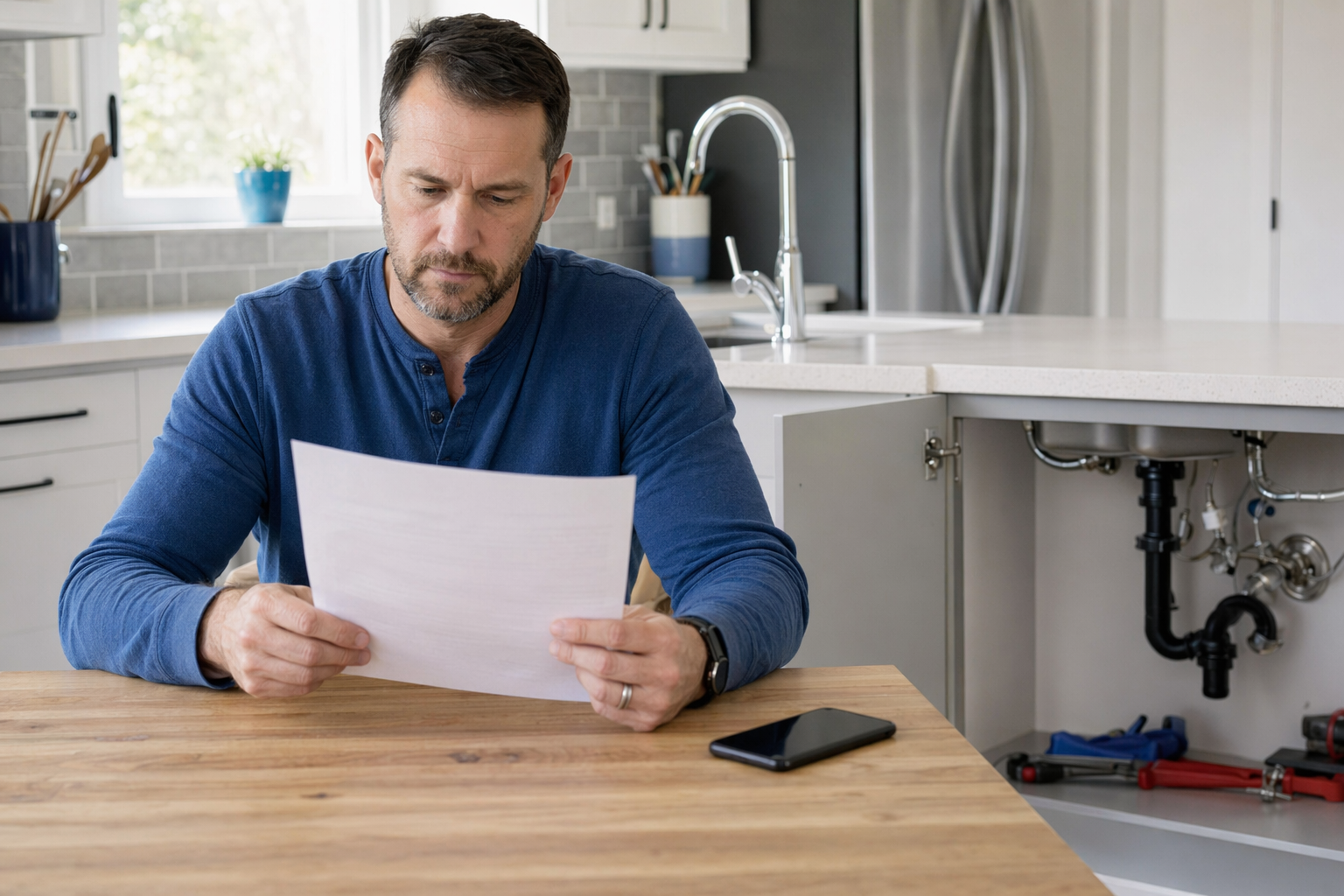
What to do right now (before you even print it)
1. If water is flooding, the fastest step is to shut off your home’s water supply if you can do so safely.
2. If you see sewage backing up or there’s a strong gas odor, stay safe first—follow local emergency guidance (and for gas smell, leave and call your local emergency number).
3. If it’s safe, turn off electricity to the wet area (only if you can do it without touching standing water) and avoid walking through water.
4. Take a few quick photos of where the water is coming from (and any damage). This can help a licensed plumber understand the problem faster.
5. Use this checklist while you wait—then get matched with a licensed, insured 24/7 emergency plumber through MainLine Match.
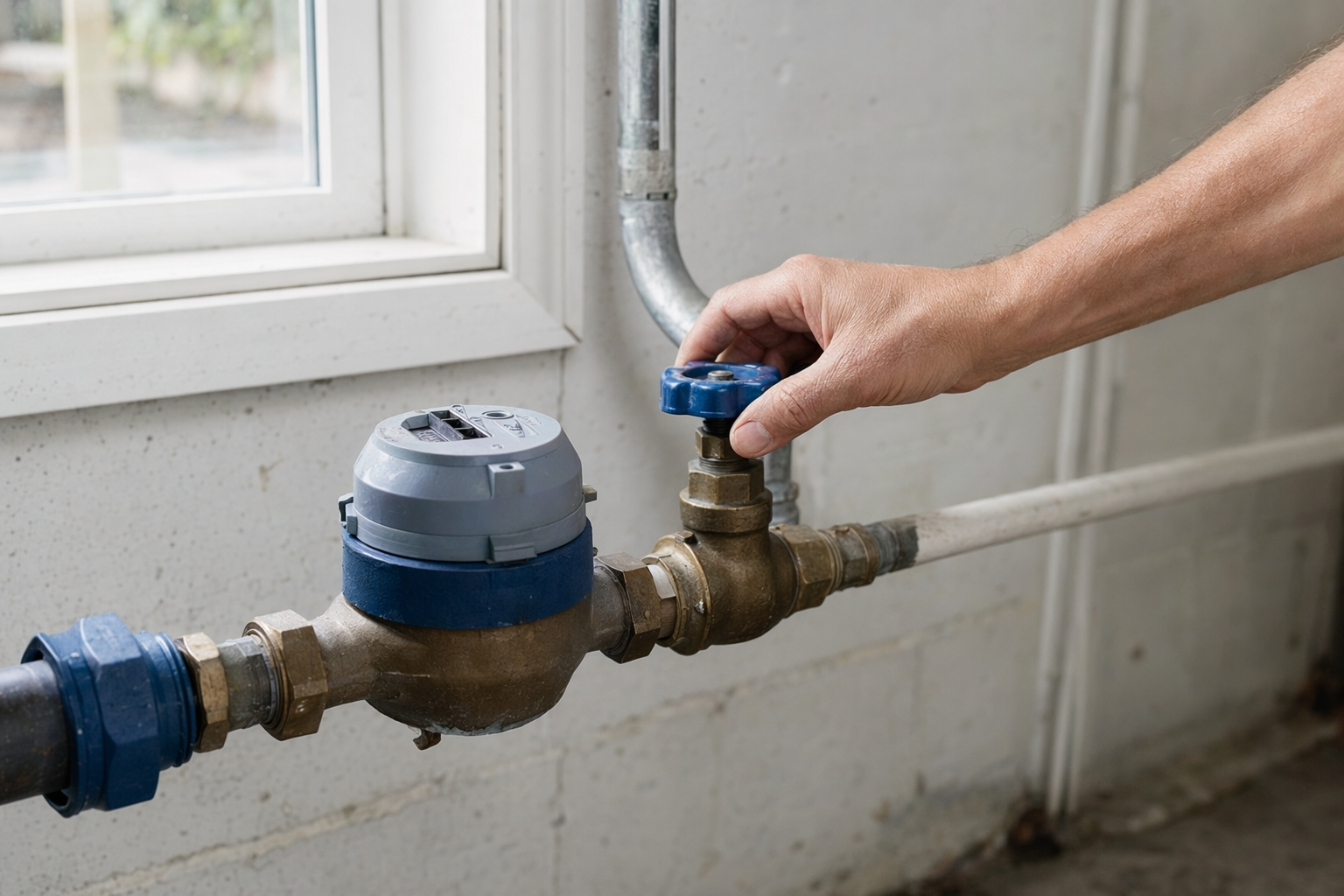
What this free download includes
This downloadable worksheet is a step-by-step checklist designed for the first five minutes of a plumbing emergency—burst pipe, no hot water, major leak, sewage backup, or a serious clog/no water.
It helps you do three things in order: (1) stop more water if possible, (2) reduce the mess and risk to people, and (3) gather the basics so you can communicate clearly with an emergency plumber.
You can use it while you’re stressed, on a phone, or printed. The goal is simple: less confusion, less guessing, and faster next steps.
MainLine Match is a free matching service—we don’t do plumbing work. The checklist is general information, and a licensed, insured plumber will handle the repair based on your home and local rules.
Who this checklist helps most
This resource is especially helpful if you’re new to the U.S., you’re not fully comfortable with English during emergencies, or you want clear prompts that don’t rely on memory.
It’s also useful if you’re caring for children, an elderly family member, or multiple pets—because it keeps actions organized even when you’re overwhelmed.
If you’ve been burned by unclear pricing or “scare” tactics before, the checklist also includes reminder lines for getting the price in writing and confirming what will be done before you agree to pay.
Cost and timing can vary by location and time of day (after-hours is often more). This checklist helps you prepare for those conversations—without promising outcomes.
How to use it before or during an emergency
Before an emergency (recommended):
- Print it and keep it near bathroom/kitchen supplies or on your phone.
- Fill in your address ZIP, basic access info (where your shutoff is), and any notes you already know.
- Optional: list your preferred language so you’re ready to communicate quickly.
During an emergency:
- Use the checklist top-to-bottom. Don’t worry about perfect details—just get the key actions done first.
- Write down what you can: when the issue started, what fixtures are affected, and what you see (e.g., “water pouring from wall,” “toilet won’t drain,” “no hot water,” “sewage smell/backup”).
- Take a couple of photos or short videos if it’s safe. Then share those details when you request help.
After you contact a plumber:
- Use the “confirm before work” reminders. Ask for the final price (and any changes) before work starts, and confirm the work is completed before paying.
For more guidance on choosing a professional, see how to vet a plumber.
What to expect when you get matched with an emergency plumber
When you request help through MainLine Match, you share contact information and basic problem details (name, phone, optional email, problem type, ZIP, and preferred language). We only collect this intent and contact info—never financial account numbers or sensitive personal records.
Participating plumbers pay a flat fee to be part of the matching service. There is no cost to the household for the match.
You stay in control: the licensed, insured plumber should explain what’s needed, the estimated cost range for your situation, and what work will be done. You confirm the price before work starts.
For 24/7 situations, see our overview in emergencies.
Costs (quick reality check) and avoiding overpaying
Emergency plumbing costs vary a lot. A small leak might cost less than a major burst pipe with water damage, and after-hours service can cost more. The exact price depends on the parts needed, how hard the repair is, access to the plumbing, and your local market.
In general, you may see wide ranges for “diagnosis + first repair,” and additional charges if there’s damage, line replacement, or specialty parts. These ranges are not quotes—your final cost depends on what the plumber finds.
Watch for common scams or overcharging: vague pricing, pressure to authorize a huge repair on the spot, cash-only demands, or “no license” behavior. If anything feels rushed or unclear, ask for the price in writing and take a breath before you approve work.
For step-by-step tips, use how to vet a plumber.
Download and use this free checklist to guide your first five minutes in a plumbing emergency—shut off water if safe, stay safe, document, and then get matched with a licensed, insured 24/7 emergency plumber.
Common questions
Should I use the checklist if water is already everywhere?
Yes—while you act, use it to stay organized. The first priority is stopping the water supply if you can do it safely, then keeping people away from wet areas and documenting what you see.
Is MainLine Match a plumber that will fix my leak?
No. MainLine Match is a free matching service that connects you with licensed, insured, 24/7 emergency plumbers near you. The plumber does the work.
How much will the emergency plumber cost?
Costs vary by problem type, your area, what parts are needed, and after-hours timing. Expect broad ranges rather than a guarantee—only the licensed plumber can confirm the real price after assessing your situation.
What information should I write down for the plumber?
Note when it started, where the problem is (kitchen, bathroom, main line area), what changed (no water, no hot water, clog/backup), and any photos you took. This helps the plumber understand faster and plan the right fix.
Can I print the checklist later instead of right now?
You can. If you don’t have time, use the steps in your head for the first minutes, then print or save the worksheet when things stabilize.