Emergencies
Overflowing toilet — stop it fast
First: stop the water. Then keep people safe, clean up what you can, and decide if you need a 24/7 plumber now.
First 5 minutes — shut off your water
If water is flooding, stopping it comes first. Here's the fastest safe order.
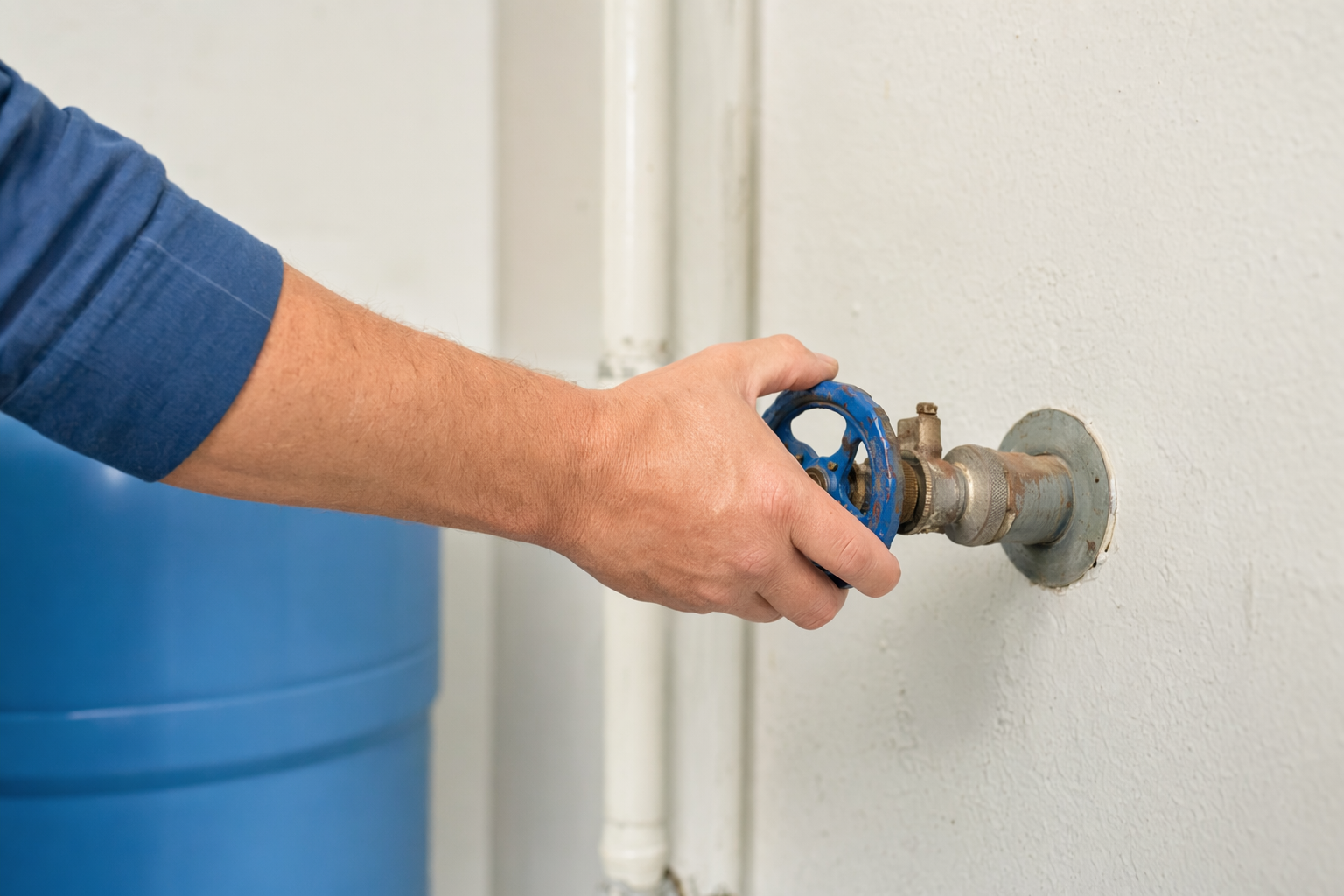
- 1 Shut off the water main. Find your main shut-off valve — usually where the water line enters, near the street, the basement, or the meter — and turn it fully clockwise to stop the flow.
- 2 Stay safe. Keep clear of standing water near outlets or appliances. If you smell gas or see water near electrical panels, leave and call emergency services first.
- 3 Limit the damage. Open a low faucet to drain the lines, move valuables, and soak up water you can reach safely. Take a few photos for your records.
- 4 Get a licensed plumber. Get matched, free, with a licensed 24/7 plumber near you. Ask for the price in writing before work starts — you compare and choose who to hire.
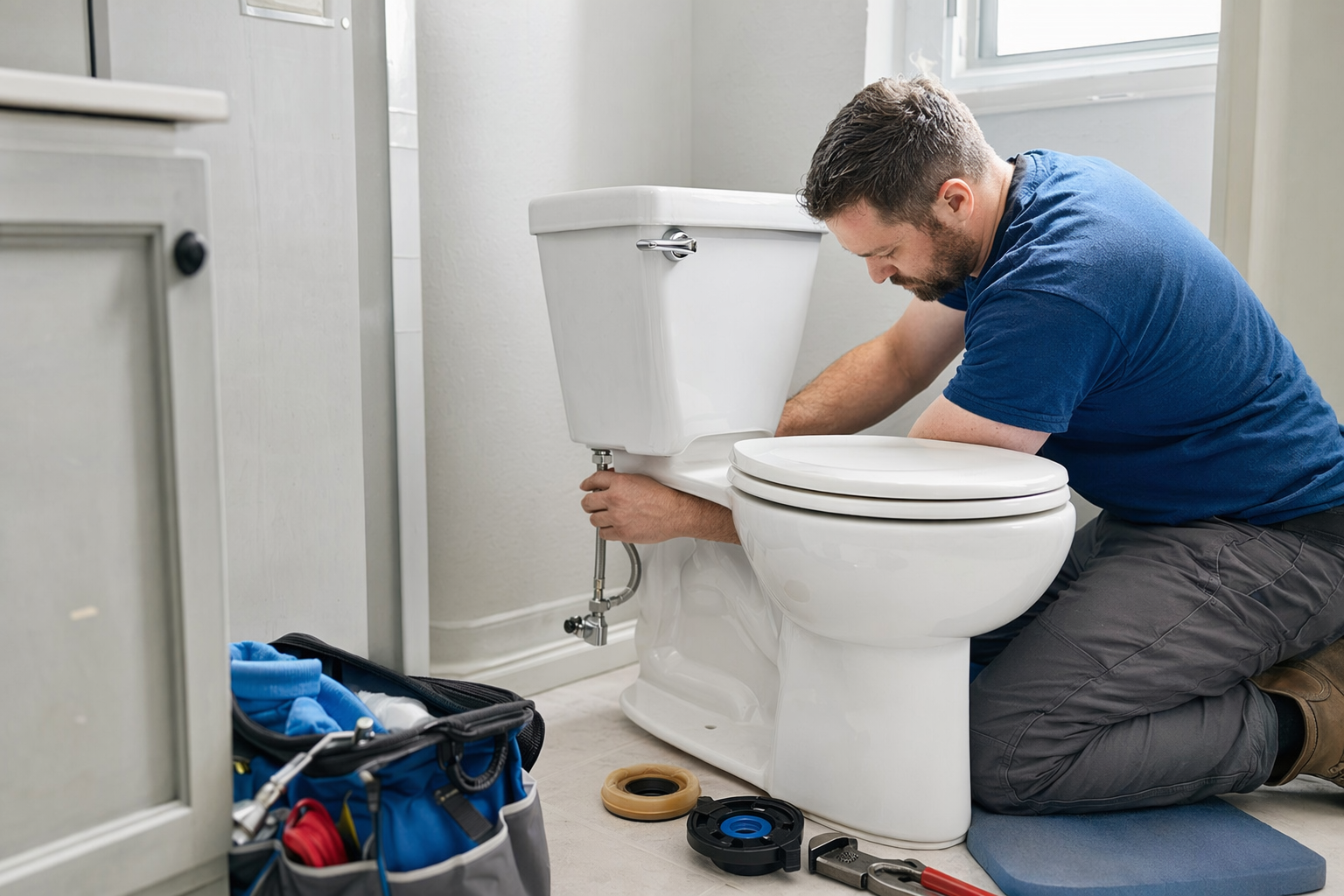
What to do right now
- Stop the flush. Take your foot off the pedal or stop pressing the handle if it is still running.
- Shut off the toilet water valve. Look behind or beside the toilet near the floor and turn the small valve clockwise.
- If the toilet will not stop filling, shut off your home's main water. If you need help finding it, see how to shut off your water.
- Keep people and pets out of the area. Toilet overflow water can contain germs, especially if sewage is coming up.
- Do not flush again. Do not run nearby sinks, showers, the dishwasher, or washing machine if you think there may be a drain or sewer backup.
- Put towels down to limit spreading. If you can do it safely, move rugs, paper goods, and small items away from the water.
- If water is near electrical outlets, cords, or appliances, leave the area and call your local emergency number first.
If the water stopped, take a breath. Many toilet overflows are caused by a bad clog, a stuck float, or a drain problem further down the line.
MainLine Match is a free matching service, not a plumbing company. We can help connect you with a licensed, insured 24/7 plumber near you if the overflow will not stop or keeps happening.
When this is a true plumbing emergency
Call for urgent help now if the toilet keeps rising after you shut the toilet valve, if more than one drain is backing up, if sewage is coming into tubs or showers, or if you cannot stop water entering the bathroom.
It is also an emergency if the overflow is affecting more than one floor, leaking through a ceiling, or threatening major damage to floors, walls, or nearby rooms. If you smell gas, leave and call your local emergency number first.
It may be able to wait a short time if the water stopped fully, it happened once, there is no sewage backup elsewhere, and you have another working bathroom. Even then, repeated overflows usually mean a clog or drain issue that should be checked before someone flushes again.
What it usually costs to fix an overflowing toilet
A simple toilet clog or basic toilet repair often falls around $125 to $350. A more difficult clog, toilet reset, wax ring issue, fill valve or flapper problem, or after-hours visit may run about $200 to $500.
If the problem is deeper in the drain line or sewer line, the price can rise fast. Drain cleaning or snaking may be around $150 to $450, while a camera inspection or more extensive drain work can add more. Cleanup, damaged flooring, drywall, or sanitation work is usually separate.
These are general ranges, not quotes. The real number depends on what is actually causing the overflow, the time of day, the parts needed, and your area. Nights, weekends, and holidays usually cost more.
Before work starts, ask for the price in writing. Be careful with vague pricing, scare tactics, cash-only demands, no proof of license or insurance, or pressure to approve a very large repair immediately.
Common reasons a toilet overflows
The most common cause is a clog in the toilet trap or drain. Too much toilet paper, wipes labeled "flushable," paper towels, hygiene products, toys, or other items can block the flow and make the bowl rise.
Sometimes the toilet itself is the issue. A stuck flapper, bad fill valve, or float problem can cause the tank to keep filling and push too much water into the bowl.
If more than one fixture is acting up, the problem may be further down the branch drain or sewer line. Tree roots, grease buildup, pipe damage, or a main line blockage can make toilets overflow when water cannot leave the home properly.
In apartments or multi-unit buildings, responsibility can vary. In some places a landlord or building management may handle certain drain or sewer issues, but rules differ by area and by lease.
How to get a licensed 24/7 plumber fast
If the overflow will not stop, sewage is backing up, or you are not sure what is blocked, you can use MainLine Match to get connected with a nearby licensed, insured emergency plumber. Our service is free for the household.
We only collect basic contact and problem details so a plumber can reach you: name, phone, optional email, problem type, ZIP code, and preferred language. We do not perform plumbing work, and we do not give quotes or promise arrival times.
When the plumber calls, ask:
- Are you licensed and insured for plumbing in my area?
- What is your service call or diagnostic fee?
- What is the estimated price range before work starts?
- Is there an extra after-hours charge?
- Can you text or email the pricing in writing?
You stay in control. Confirm the price before work starts, choose who to hire, and confirm the work is done before paying the final amount.
If you are comparing options, our emergency plumbing hub and cost guides can help you understand the situation and typical price ranges.
Cleanup and what not to do
Treat overflow water carefully, especially if it may include sewage. Wash hands well after cleanup. If you can do it safely, bag wet paper goods and washable cloths separately and keep children and pets away until the area is dry.
Do not keep flushing to "see if it fixed itself." Do not use every chemical drain product you can find. Mixing products can be dangerous, and some chemicals can damage parts or make a later repair harder.
If the same toilet overflows more than once, or if tubs and sinks gurgle when the toilet is used, there may be a larger drain problem that needs a licensed plumber to inspect.
Turn off the toilet valve first, avoid flushing again, and if the water will not stop or sewage is backing up, use MainLine Match for a free connection to a licensed 24/7 plumber.
Common questions
My toilet is overflowing right now. What is the first thing I should do?
Shut off the toilet's water valve behind or beside the toilet near the floor by turning it clockwise. If that does not stop the water, shut off your home's main water right away.
Can I plunge an overflowing toilet?
Only after the water has stopped rising and the bowl level is safe. Do not keep flushing, and stop if you suspect a bigger drain or sewer backup.
Why is water coming up in the tub when the toilet overflows?
That can mean the blockage is deeper in the drain system or sewer line, not just in the toilet. It is usually a stronger sign that you need urgent plumbing help.
How much does an emergency plumber cost for an overflowing toilet?
A simple fix may be around $125 to $350, while tougher clogs, repairs, or after-hours calls can be $200 to $500 or more. These are general ranges, not quotes; the real cost depends on the cause, timing, parts, and your area.
Should I use a chemical drain cleaner in the toilet?
Usually it is better not to rush to chemicals, especially if you are not sure what is blocked. Some products can be harsh, may not solve the real problem, and can make later repair work harder.
Is MainLine Match the plumber?
No. MainLine Match is a free matching service, not a plumbing company or contractor. We help connect households with licensed, insured plumbers near them.