Guides
Preventing the most common plumbing emergencies
You can’t stop every plumbing problem, but you can prevent many emergencies—like burst pipes, bad clogs, and water-heater failures—with a few simple habits. Start with the basics below, and keep an emergency plan ready.
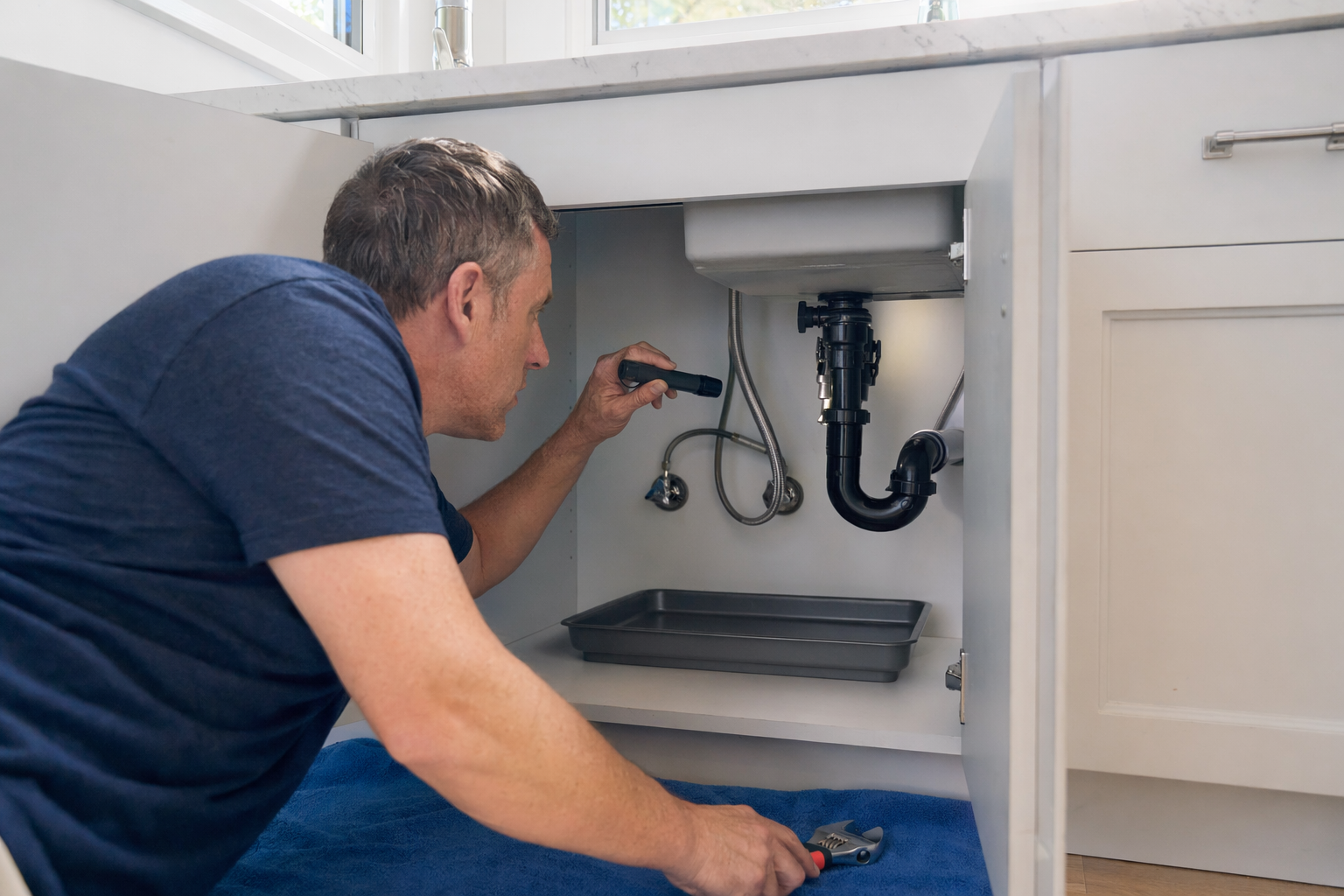
What to do first (before an emergency starts)
- Find and label your main water shut-off valve (usually near where the water line enters your home).
- Know where your breaker box is, and avoid water near outlets or power cords.
- Save a plumber’s number and add your ZIP code—so you can act fast if something changes overnight.
- If you ever smell gas or you see water near live electricity, leave the area and call your local emergency number first.
- MainLine Match is a FREE matching service that connects you with licensed, insured, 24/7 emergency plumbers near you—but we do not do the plumbing work.
Prevent burst pipes (the #1 cause of flooding)
Frozen pipes can crack and leak, sometimes even if you “only” lose a little water at first. The simplest prevention is temperature control and pipe protection.
In cold weather: keep your home at a steady temperature, especially in rooms with exposed pipes (basements, garages, crawl spaces). Let a small trickle of water run from a faucet served by vulnerable pipes during extreme cold.
When it’s very cold or you’re away: open cabinet doors that hide pipes (under sinks), and consider insulating exposed pipes. If you have outdoor spigots, make sure they’re winterized correctly and you’re using the right hose connections.
- If a pipe starts to leak, shutting off your water main can limit damage quickly—before you troubleshoot anything else.
Prevent leaks you don’t notice (slow damage is still expensive)
Small leaks can waste water and damage floors, ceilings, and walls. Early signs are often easy to miss during a busy day.
Try a quick routine check: look under sinks and around toilets for moisture, water stains, or rust. If you have a water meter, you can do a “no-use” test—check whether the meter keeps moving when everyone is off water. If it does, you likely have a leak somewhere.
Also watch for repeated clogs or slow drains. Those can be symptoms of buildup that can turn into a full blockage later.
- If water is actively leaking or backing up, use the shut-off-your-water reminder first, then contact emergency help.
Prevent clogged drains and sewer backups
Many clogs are caused by what goes down drains and what builds up over time. Prevention is mostly about what you feed your pipes.
In kitchens: avoid pouring grease, fats, and cooking oils into the sink. Use a strainer to catch food, and clean it often. In bathrooms: keep hair out of drains, and don’t flush items that aren’t meant for toilets.
If you’re dealing with recurring slow drains, don’t ignore it. Mild backups can worsen, especially if you have older plumbing or tree roots near sewer lines (varies by area).
- If you see sewage backing up or toilets won’t drain, treat it as an emergency. Get help fast and protect your home from further damage.
Prevent water-heater failures (hot water emergencies are common)
Water heaters can fail from age, sediment buildup, or pressure/temperature issues. You can’t guarantee the heater won’t fail, but maintenance can reduce the risk.
If you can, check for leaks around the tank and keep the area clear and ventilated. Many owners benefit from periodic flushing to reduce sediment, but the exact steps depend on your model—follow the manufacturer’s instructions or hire a licensed, insured plumber.
Know your “early warning” signs: rumbling noises, inconsistent hot water, corrosion around fittings, or water pooling around the unit. Those can be clues that something is wearing out before it becomes a total no-hot-water emergency.
- Costs for water-heater repairs and replacement vary a lot by model and local labor rates; see [plumbing costs](/costs/) for typical ranges.
Know the red flags that mean ‘act now’
Some signs mean you shouldn’t wait for regular business hours.
- Water actively flooding floors or coming from a pipe (especially if it’s worsening)
- Sewage smell or sewage backing up in toilets or drains
- No water in the whole home or a sudden drop with no obvious cause
- Water heater leaking or the unit failing to produce hot water suddenly
- Repeated clogs that are getting worse over days
If any of these happen, shutting off the water main (if you can safely access it) is often the best first step to limit damage. Then contact licensed, insured emergency plumbing help.
- MainLine Match can help you get matched quickly: [get matched](/get-matched/).
How MainLine Match helps (and how to avoid overpaying)
MainLine Match is a FREE matching service—not a plumbing company and not a licensed plumber. We collect contact details plus your ZIP code and the type of problem (no bank details or sensitive records).
When you request help, participating licensed, insured 24/7 emergency plumbers near you are contacted. You stay in control: you confirm the price before any work starts, and you confirm the work is completed before paying the final amount.
To avoid scams or overcharging, be cautious with: vague pricing, scare tactics, cash-only pressure, or requests to authorize a huge repair on the spot. Ask for the price in writing and make sure you see what they will do before you approve anything. If a situation feels suspicious, pause and get a second opinion if you can.
- For more emergency planning, visit [emergencies](/emergencies/). For more general guidance, see [guides](/guides/).
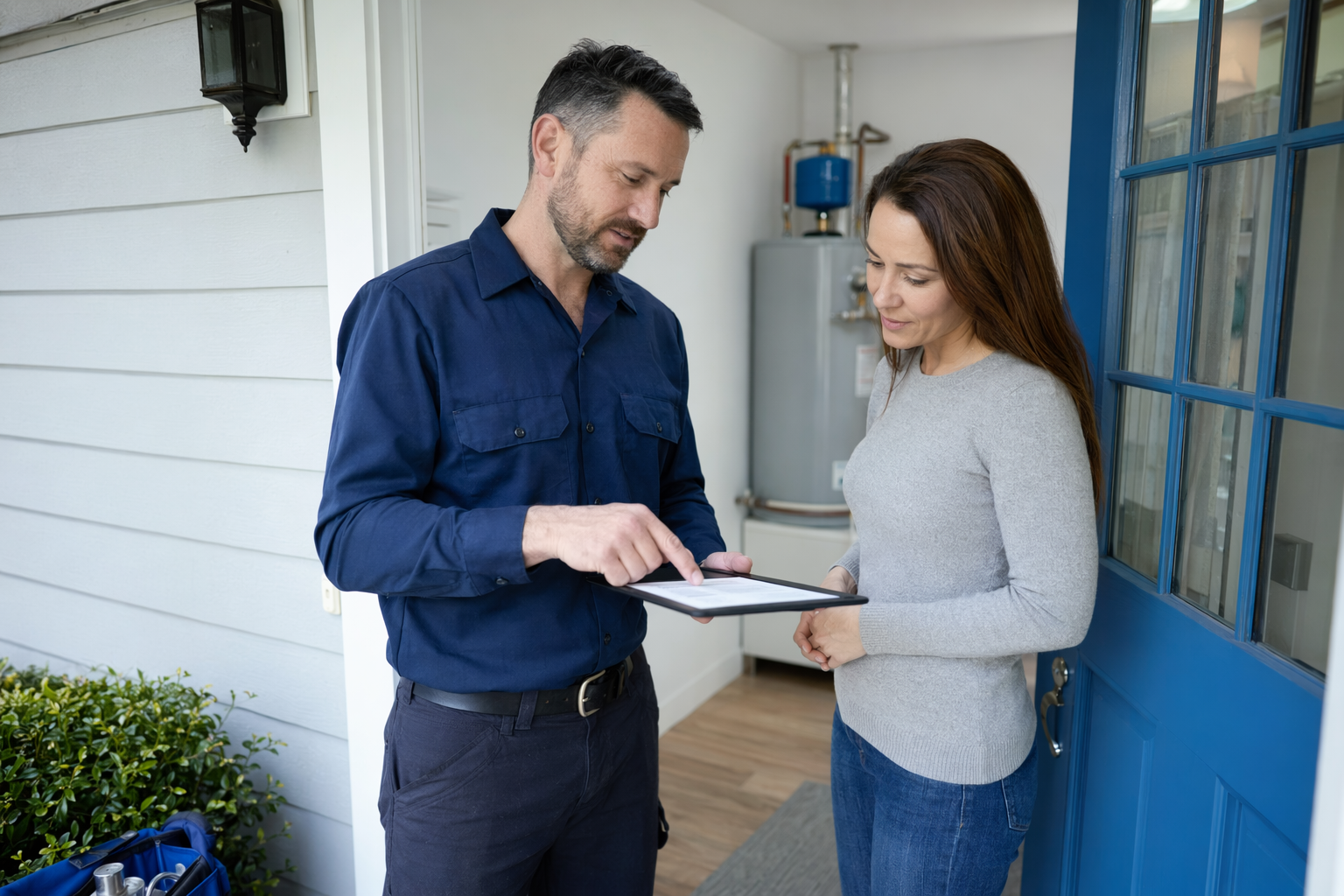
To prevent plumbing emergencies, protect pipes from freezing, avoid common clog causes, check for leaks, and be ready to shut off the water main and call a licensed, insured emergency plumber fast when red flags show up.
Common questions
What are the cheapest things I can do to prevent plumbing emergencies?
Start with low-cost habits: keep pipes warm in freezing weather, don’t pour grease into drains, use drain strainers, and periodically check under sinks and around toilets for leaks. Also, know where your main shut-off valve is so you can limit damage quickly.
How often should I check for leaks or clogs?
A quick visual check under sinks and around toilets once a month can catch problems early. If you notice slow drains, repeated clogs, or unexplained water use, check sooner and consider getting an inspection before it becomes an emergency.
If I’m home, do I still need an emergency plan for plumbing?
Yes—because emergencies can happen at night. Keep the main water shut-off location accessible, save emergency plumber information, and know what red flags (flooding, sewage backup, no water) mean you should call right away.
Can MainLine Match guarantee a specific plumber, arrival time, or price?
No. MainLine Match is a FREE matching service, not a plumbing company. Pricing and arrival times depend on the problem, parts, your area, and after-hours demand—so you should confirm the price before work begins.