Services
Sewer line repair and replacement
Sewage backing up is stressful. First, stop using water in the home and keep people away from the mess, then get a licensed emergency plumber to inspect the main sewer line.
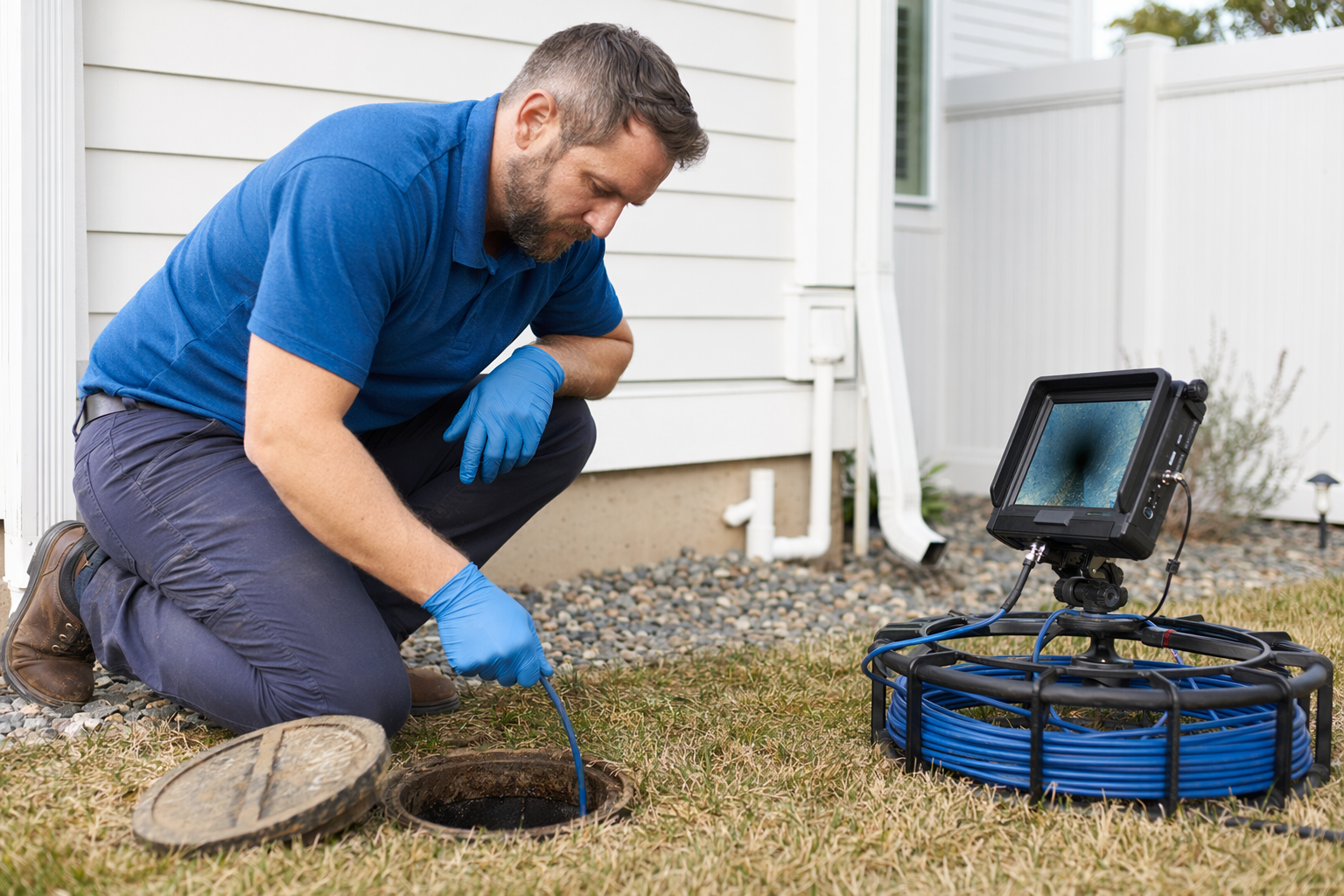
What to do right now
- Stop using sinks, toilets, showers, washing machines, and dishwashers right away. More water can make a backup worse.
- Keep children and pets away from sewage or standing water. If water is near outlets, cords, or appliances, leave the area and call your local emergency number first.
- If the problem seems limited to one toilet or one drain, do not keep flushing or pouring chemical drain cleaner into it.
- If multiple drains are backing up, or sewage is coming up from a tub, floor drain, or basement drain, treat it like a main sewer line emergency.
- Take a few photos if you can do it safely. Then get matched with a licensed, insured emergency plumber near you.
MainLine Match is a free matching service, not a plumbing company. We do not perform plumbing work. We help connect households with licensed, insured plumbers who handle emergencies.
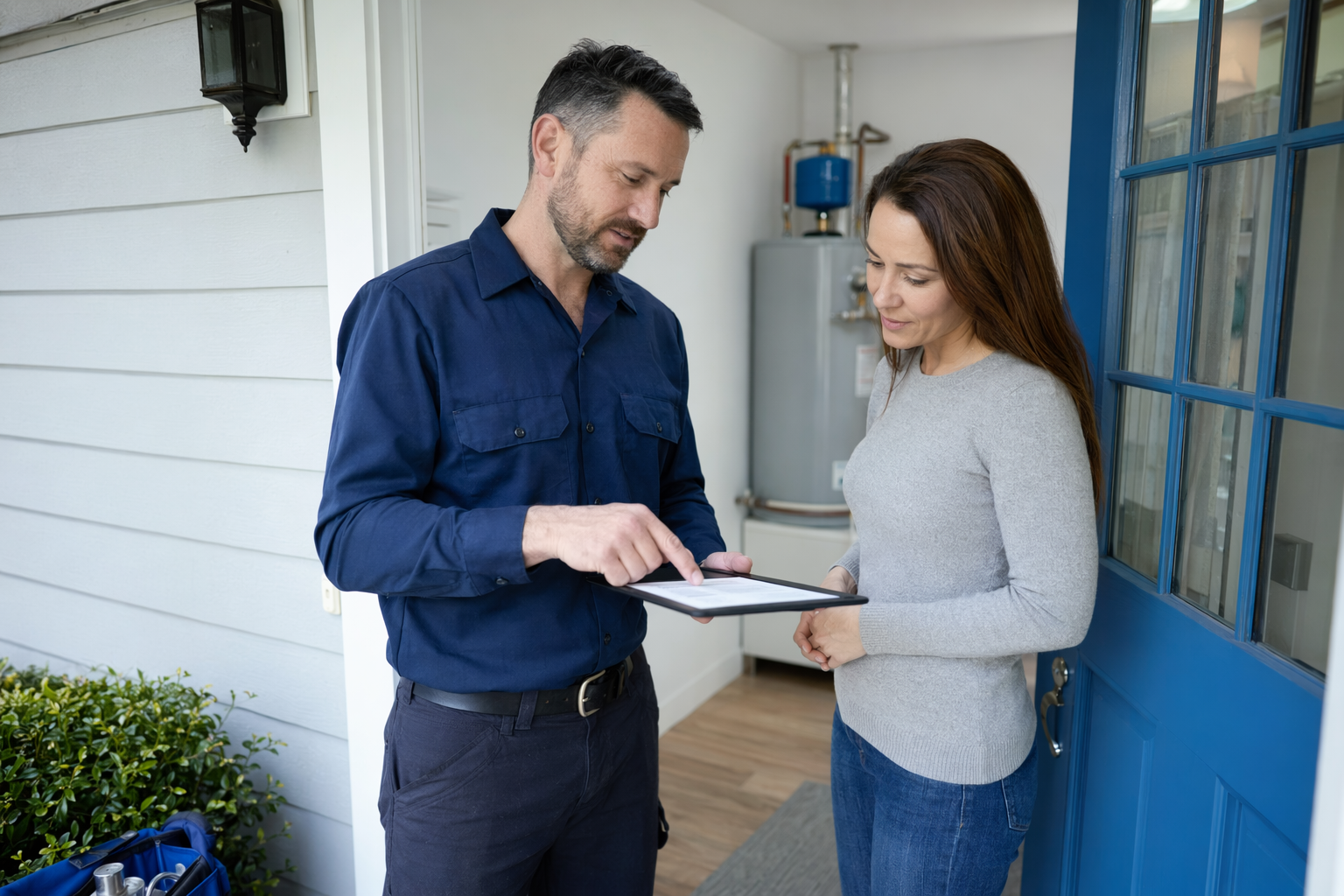
What sewer line repair or replacement means
Your main sewer line carries wastewater from the house to the city sewer or a private septic connection. When that line clogs, cracks, collapses, separates, or gets blocked by roots, wastewater may stop leaving the home and start backing up inside.
People often notice this as more than one drain acting up at the same time. A toilet may bubble when a sink runs. A shower or tub may fill with dirty water when you flush. A basement floor drain may overflow. Outside, you may see soggy ground, a bad smell, or unusually green patches in the yard.
Repair means fixing part of the line or clearing a serious blockage. Replacement means removing and installing all or part of the sewer line because the pipe is too damaged to repair reliably. The right option depends on the age of the pipe, where the damage is, what the pipe is made of, and whether the problem is a clog, roots, a crack, a belly in the line, or a collapsed section.
How plumbers diagnose the problem
A licensed plumber will usually start by asking what you are seeing: which drains are affected, when it started, whether there has been repeated backup before, and whether the home has trees, old pipes, or recent ground work nearby.
In many cases, the next step is a sewer camera inspection. The plumber feeds a camera into the line to look for grease buildup, wipes, roots, broken pipe, sagging sections, offsets, or a collapse. This helps show whether the problem may be cleared, spot-repaired, lined, or replaced.
They may also check access points such as a cleanout, test drainage flow, and look at how far down the line the problem appears to be. Sometimes the issue is on private property; sometimes responsibility may depend on local rules and exactly where the damage is. That can vary by area, so ask the plumber to explain what they found and who they believe is responsible before work starts.
How sewer line repair or replacement is usually done
If the line is blocked but still structurally sound, the plumber may clear it first using a heavy-duty drain machine or hydro jetting. Root intrusion may sometimes be cut out, but if roots keep entering through damaged pipe joints or cracks, clearing alone may only be a short-term fix.
If one small section is broken, the plumber may recommend a spot repair. If the pipe has widespread damage, repeated root intrusion, severe corrosion, a belly, or a collapse, they may recommend replacing a larger section or the full line. In some areas and situations, trenchless methods may be possible; in others, digging is still needed.
The work can involve locating utilities, opening the ground or slab, removing failed pipe, installing new pipe, testing flow, and restoring the area as much as the contract says. Ask exactly what is included. Some jobs include basic backfill only, while landscaping, concrete, flooring, drywall, or cleaning may cost extra.
You should get the scope and price in writing before authorizing work. Be careful with vague language like "major line issue" without camera findings or a clear explanation. A trustworthy plumber should explain why repair or replacement is recommended and what alternatives, if any, exist.
Honest cost ranges
Costs vary a lot by area, access, pipe depth, line length, whether it is an emergency, and whether the work is a simple clearing, a spot repair, trenchless work, or full replacement. These are general ranges, not quotes.
A sewer camera inspection may run about $150 to $500. Clearing a main sewer line may be roughly $250 to $900, sometimes more for difficult blockages or after-hours service. Hydro jetting is often about $400 to $1,200 or more depending on severity and access.
A localized sewer line repair may cost around $1,500 to $6,000+. Trenchless repair or lining can sometimes range from about $3,000 to $12,000+, and full sewer line replacement can be about $4,000 to $15,000+ or much more for long runs, deep excavation, difficult access, concrete removal, street work, permits, or restoration.
What pushes the price up: emergency or night/weekend service, a collapsed line, deep digging, roots, old materials, poor access, longer pipe runs, permits, and repairs under slabs, driveways, sidewalks, or landscaping. For more general pricing help, see costs. The real number depends on the problem, the time of day, the parts and equipment, and your area.
How to choose a plumber without getting overcharged
In a sewage emergency, people are easy targets for pressure. Slow down just enough to confirm the basics. Hire a licensed, insured plumber if your area requires it, and ask them to show or provide their license information so you can verify it.
Watch for common red flags: scare tactics, refusal to explain the camera findings, cash-only demands, no written price before work starts, pressure to approve a huge replacement immediately, or claims that "insurance always covers it" without details. Another warning sign is a company that will not say what is included in cleanup, access work, restoration, or permits.
The household stays in control. You confirm the price before work starts, choose who to hire, and confirm the work is done before paying the final amount. If the problem is not an immediate life-safety emergency, it is reasonable to ask whether there is a lower-cost temporary step, such as clearing the line first to restore service while you review repair options.
MainLine Match is free for the household. We are not a plumbing company, and we do not guarantee a specific plumber, arrival time, price, or outcome. We collect basic contact and problem details only — name, phone, optional email, problem type, ZIP code, and preferred language — so you can get matched with a nearby plumber.
When to get emergency help
Treat it as urgent if sewage is coming up inside the home, multiple drains back up at once, toilets overflow repeatedly, or you cannot use any plumbing safely. A sewer backup can quickly damage floors, walls, and belongings and create unhealthy conditions.
If the problem is not actively backing up but drains are gurgling, slow across the house, or there is a strong sewer smell, do not ignore it. These can be warning signs before a bigger failure. You can read more about urgent situations on our emergencies page or browse other services.
If you need help finding someone now, use MainLine Match to connect with licensed, insured plumbers near you. Again, we are a free matching service, not a contractor, and all information here is general information only.
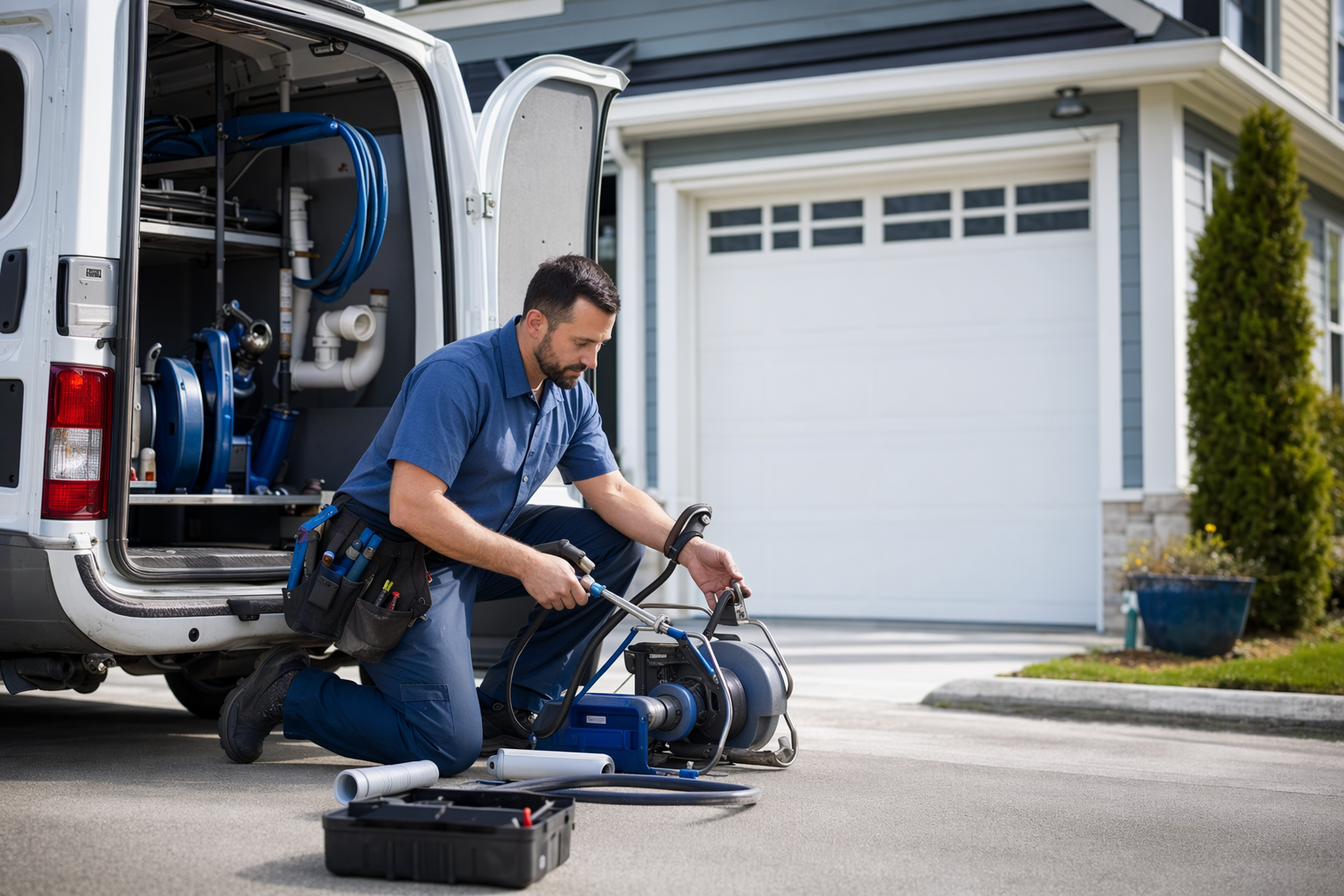
If sewage is backing up, stop using water, keep people away, and get a licensed plumber to inspect the main sewer line before you agree to repair or replacement.
Common questions
How do I know if it is my main sewer line and not just one clogged drain?
A main sewer line problem often affects more than one drain at the same time. Common signs are sewage backing up in a tub or floor drain when you flush a toilet, gurgling in several fixtures, or multiple drains draining slowly together.
Can I use Drano or another chemical cleaner for a sewer line backup?
It is usually better not to keep adding chemical cleaners during a suspected main line backup. They may not solve the underlying problem and can make conditions harder or riskier for the plumber handling the blockage.
Is sewer line repair covered by homeowners insurance?
Sometimes, but not always. Coverage depends on the cause of damage, your policy, and whether the issue is sudden damage or long-term wear, roots, or maintenance-related trouble. Ask your insurer directly.
How long does sewer line replacement take?
It depends on the length of pipe, depth, access, permits, method, weather, and what the plumber finds once work begins. Some jobs are done in a day, while others take longer. Do not rely on a promised timeline without seeing the scope.
Who is responsible for the sewer line, me or the city?
That varies by location and where the damage is. In many places, the homeowner is responsible for the private lateral from the house to a connection point, but local rules differ. Ask the plumber to explain what they found and check local utility or municipal guidance.
What should I ask before I approve sewer line work?
Ask what the camera showed, whether the line can be cleared or spot-repaired instead of fully replaced, what is included in the written price, whether permits are needed, and what restoration is not included. Get the price in writing before work starts.