How we've helped
A sewage backup, handled safely
If sewage is coming back up, stay out of the water and stop using sinks, toilets, and showers right away. This is an anonymized example of how a household stayed calm, got a licensed plumber, and avoided a rushed overcharge.
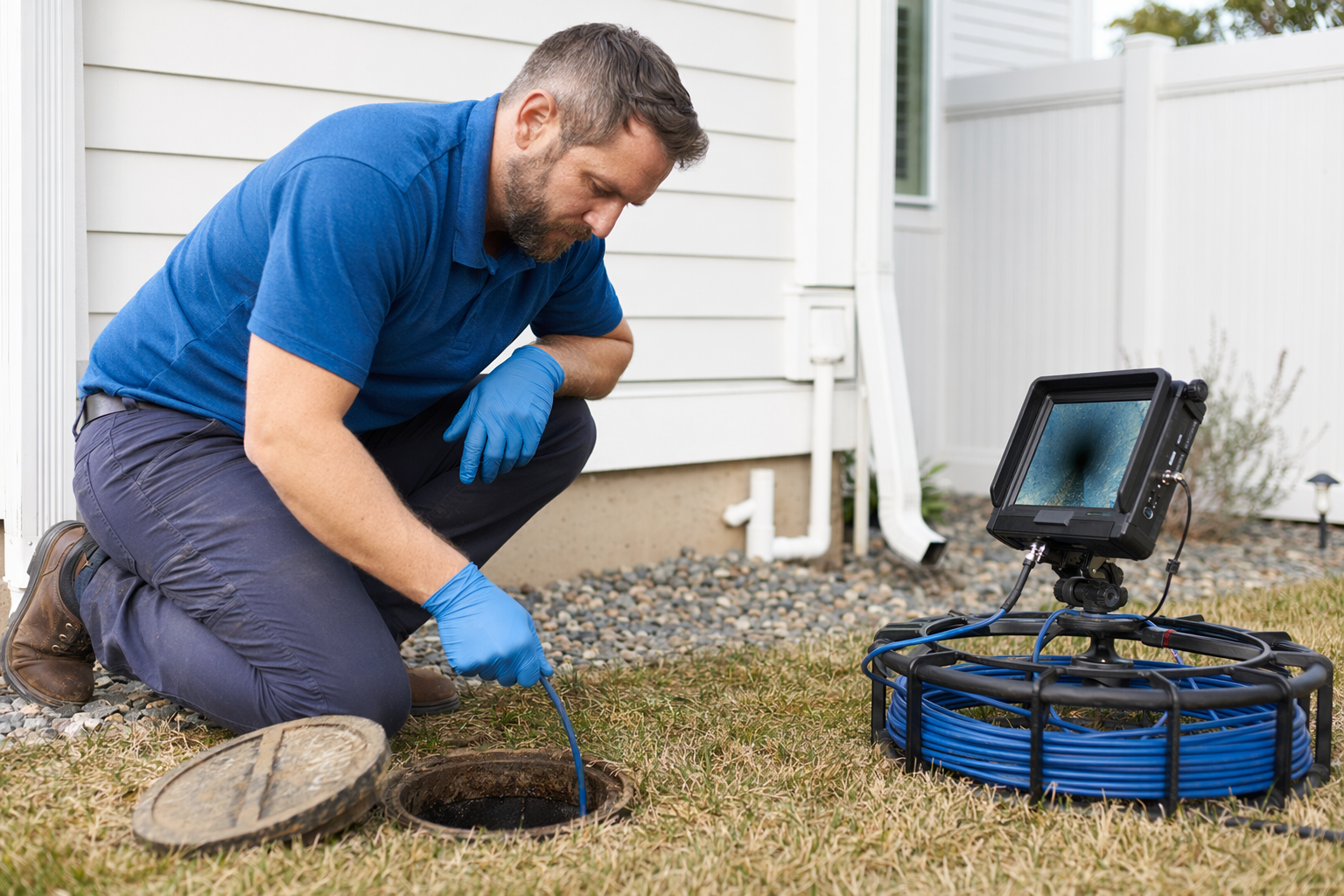
What they did first
- They kept everyone away from the contaminated area and stopped using all plumbing in the home.
- They used simple shoes or stayed on dry ground to avoid tracking the mess around.
- They contacted help with only the basics: name, phone, ZIP, preferred language, and a short description of the problem.
- They asked for an emergency plumber and cleanup help through Get matched, instead of calling the first number they found online.
This is general information, not plumbing or safety advice. For any sign of gas smell or water near live electricity, leave the area and call local emergency services first.
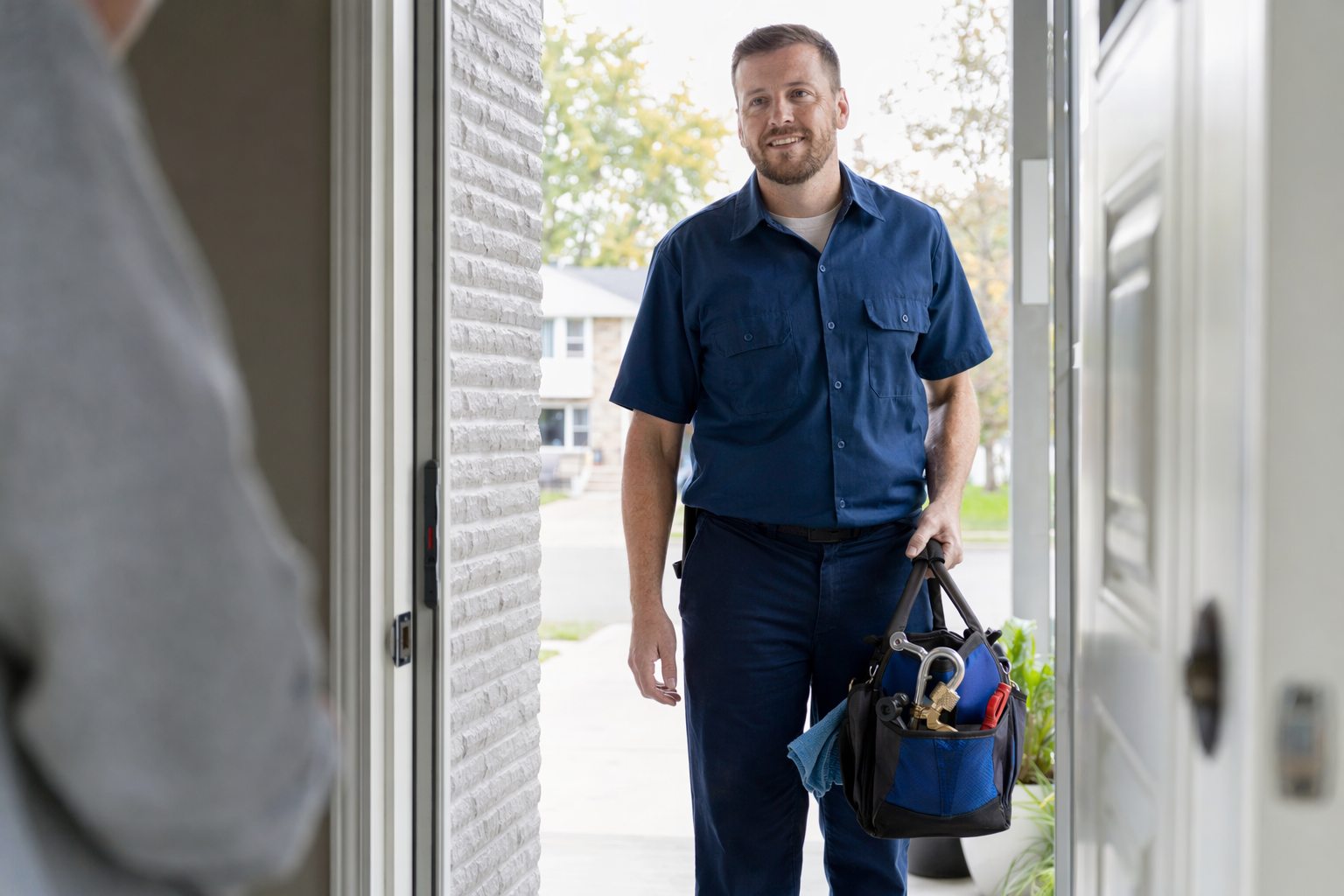
How they checked the plumber
The family asked for the price in writing before anyone started work. They also asked to see proof of license and insurance, because a real emergency still does not mean you should skip basic checks.
The first company they spoke with gave a vague answer and pushed for immediate approval without explaining the work. They said no and kept looking. The next plumber was clear about the visit fee, likely after-hours charges, and that the final cost would depend on what was actually found.
MainLine Match is a free matching service, not a plumbing company. It helps connect households with licensed, insured emergency plumbers, but you still choose who to hire and confirm the price yourself.
How they avoided being overcharged
They watched for common warning signs: scare tactics, cash-only pressure, no license, and a demand to approve a huge repair on the spot. When the plumber suggested a larger repair, the family asked for a plain explanation and a written estimate first.
That mattered because sewage backups can range from a simple clog to a bigger sewer or drain problem, and costs vary by area, time of day, parts, and how hard the job is. A basic emergency visit might be in the low hundreds, while larger repairs or cleanup can be much more. Those are only general ranges, not quotes.
They paid only after the work was done and they were satisfied the problem had been addressed. They also saved the paperwork for their records.
What made the biggest difference
The family did three things that helped most: they stopped using the plumbing, they kept a record of what they were told, and they stayed in control of the decision.
They did not let urgency replace common sense. Even in an emergency, it is fair to ask, "What will this cost?", "Is that price written down?", and "Are you licensed and insured?"
If you need help now, you can start with How it works and then use Get matched to share only contact and problem details. If you want to read more examples first, see Stories.
A simple takeaway
An emergency is stressful, but you can still slow things down just enough to check the basics. Staying calm, asking for written pricing, and choosing a licensed, insured plumber helped this household avoid a bad situation getting worse.
This story shows a household staying calm during a sewage backup, checking a plumber carefully, and avoiding a rushed overcharge.
Common questions
Is this a real customer story?
No. It is an anonymized illustrative story, not a specific named client.
What should I ask before hiring an emergency plumber?
Ask for the price in writing, the license and insurance details, and whether after-hours fees apply. If anything feels vague or pressuring, keep looking.
What does MainLine Match collect?
Only contact and problem details such as name, phone, optional email, ZIP, preferred language, and the plumbing issue. It does not collect financial account numbers, SSNs, or similar sensitive records.