Free downloads
Water Shut-Off Checklist
If a pipe bursts or water stops, you’ll be able to act fast. This free Water Shut-Off Checklist helps you locate and shut off key valves so you can limit damage while help is on the way.
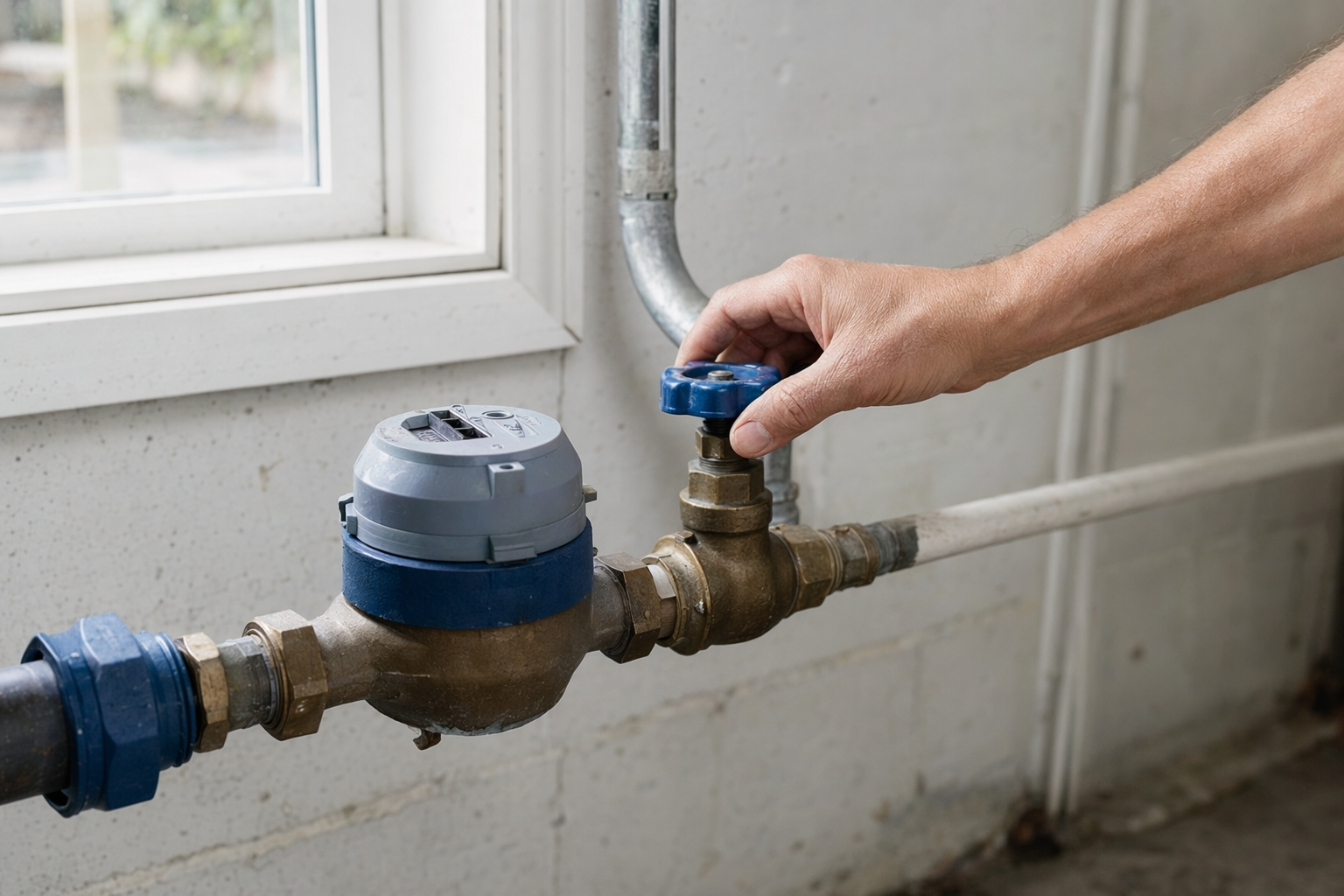
What to do right now (before you download or print)
1. If water is actively flooding, stop the flow at the main water shut-off valve if you can do it safely.
2. Turn off the water heater (or its power/gas controls) only if your heater’s manual or labels clearly tell you how—when unsure, wait for a licensed plumber.
3. If you smell gas or you see water near live electrical equipment, leave the area and call your local emergency number first.
4. Call a licensed, insured 24/7 emergency plumber if water is still coming in, sewage is involved, or you can’t stop the leak.
5. While you wait, use towels/buckets to limit water damage and take photos if it’s safe (helpful for the plumber later).
- This checklist is general information. Local setups and valve locations vary.
- MainLine Match is FREE and connects you with emergency plumbers— we don’t do the plumbing work.
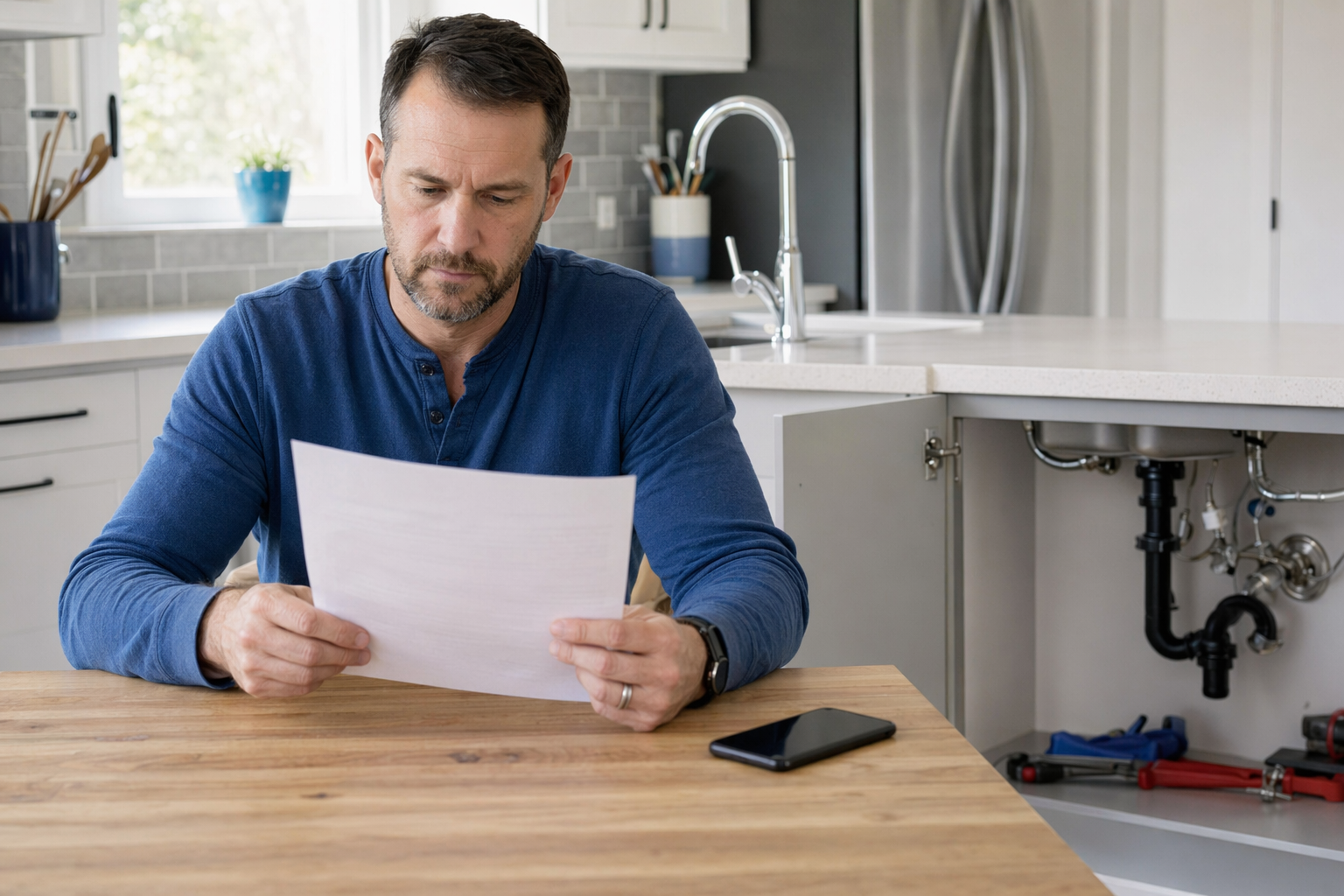
What this free checklist helps you do
The Water Shut-Off Checklist is a simple, printable guide that walks you through the key shut-off locations people often need during a plumbing emergency. It’s designed for moments when you’re stressed and may not know where the valves are.
It includes space to write down where your shut-off valves are, what they look like, and any special notes (for example, “main valve is behind the basement stairs”). The goal is to help you take control quickly so you can reduce flooding and prevent further damage.
Typical emergency situations this helps with:
- Burst pipe or sudden leak
- No water situation (from a supply issue or a shut-off you need to find)
- Ongoing leaks under sinks, behind toilets, or in walls (until a plumber arrives)
- Seemingly “mysterious” water flow you can’t stop right away
- You can use it before an emergency (best option) or while one is happening.
- The checklist focuses on finding and turning off water at common household points.
What’s inside the worksheet (and how to use it)
The downloadable resource (PDF generated separately) is meant to be printed and kept somewhere easy to grab—near a phone, on a kitchen wall, or in your emergency binder. It’s also helpful to save the PDF on your phone so you can reference it during an emergency.
Here’s what you can expect it to cover:
- Main water shut-off valve: where it commonly is and what to look for
- Water heater shut-off area: reminders to check labels and locate the controls that shut off the heater
- Fixture shut-offs (under sinks / near toilets): how individual valves may be located so you can stop water to a single area
- A “map” space: short prompts to note your home’s layout and valve positions
- Quick “before you call” notes: what to observe (for example, where water is coming from) so you can describe it clearly
- Use it ahead of time: fill in the blank spaces while everything is working normally.
- Use it during an emergency: follow the steps in order, and stop if you feel unsafe.
How to pair the checklist with getting emergency help
After you shut off water (when possible), the next step is usually getting a licensed, insured emergency plumber—especially if the leak is large, won’t stop, involves sewage, or you can’t identify the problem.
MainLine Match is a FREE matching service for the household. You tell us your ZIP code, preferred language, and what’s happening (for example, “burst pipe” or “sewage backup”). Then we connect you with emergency plumbers nearby.
Before you hire anyone, we recommend reading how to vet a plumber and using our emergencies guidance so you know what to ask and what to document.
- We collect contact + problem intent only (name, phone, optional email, problem type, ZIP, language). We do not ask for sensitive financial information.
- You stay in control: confirm the price before work starts.
What you may pay for (rough cost ranges, not quotes)
Emergency plumbing pricing varies a lot by location, the time of day (after-hours is often higher), how urgent the problem is, and what parts or labor are needed. A shut-off and inspection can cost differently than replacing a damaged pipe or handling a major clog or backup.
As a general planning guide (not a guarantee):
- Many plumbers charge a service call/dispatch fee for emergency visit hours, plus additional labor/materials.
- Smaller issues (like helping you identify a shut-off or a minor leak source) may cost less than major repairs.
- Problems involving sewage backups or extensive water damage typically cost more because of added cleanup, parts, and labor.
If fees come up, beware of scams that use vague pricing, scare tactics, cash-only pressure, or requests to authorize a huge repair on the spot. Ask for the price in writing and make sure the work matches what you agreed to.
- Ranges are not quotes—your real total depends on the confirmed problem.
- Participating plumbers pay a flat fee to be part of MainLine Match; the household is always FREE.
After the emergency: keep it updated and ready
Once you’re stable, take 2–5 minutes to update your checklist. Add exact locations (for example, “main valve: lower left corner of basement, behind the panel”), any labels you notice, and any lessons learned from the emergency.
If you changed valves, replaced a fixture, or found a hidden shut-off, note it in the worksheet. If you’re moving soon or hosting guests, consider sharing the checklist location with others in the home.
If you need a plumber urgently right now, you can start with get matched.
- A checklist you update once can save you time and reduce damage next time.
- If you’re unsure about shutting off equipment, defer to a licensed, insured plumber.
Download the free Water Shut-Off Checklist to quickly locate and shut off common household valves during a leak, then use MainLine Match (FREE) to get connected with a licensed emergency plumber.
Common questions
Can I use this checklist during an active leak or flood?
Yes. The checklist is meant to be used during an emergency to help you quickly find and shut off common household water valves—if you can do so safely. If water is spreading fast, start with shutting off the main water valve first when possible.
Will the checklist tell me exactly what valves I have in my home?
It gives general guidance for common valve locations and includes blank spaces for you to write what you see. Home setups vary by building age and layout, so you may need to compare the checklist to the labels and valves you find.
Is MainLine Match a plumber or contractor?
No. MainLine Match is a FREE matching service. We connect you with licensed, insured emergency plumbers near you, but we don’t perform plumbing work.
How do I avoid being overcharged if I call an emergency plumber?
Ask for a clear explanation of the problem and the expected price before work starts. Get pricing in writing when possible, and be cautious of pressure to approve large repairs on the spot or vague “scare” pricing.
What if I can’t shut off the water or the leak keeps going?
If you can’t stop the flow, or if sewage is involved, call a licensed, insured emergency plumber right away. Keep limiting damage where safe, and follow any instructions from the professional you hire.