Guides
Avoiding plumbing scams and overcharging
If a leak is active, shut off your water main first. The biggest scam warning signs are vague pricing, pressure to approve a huge repair right now, cash-only demands, and anyone who will not clearly show license and insurance.
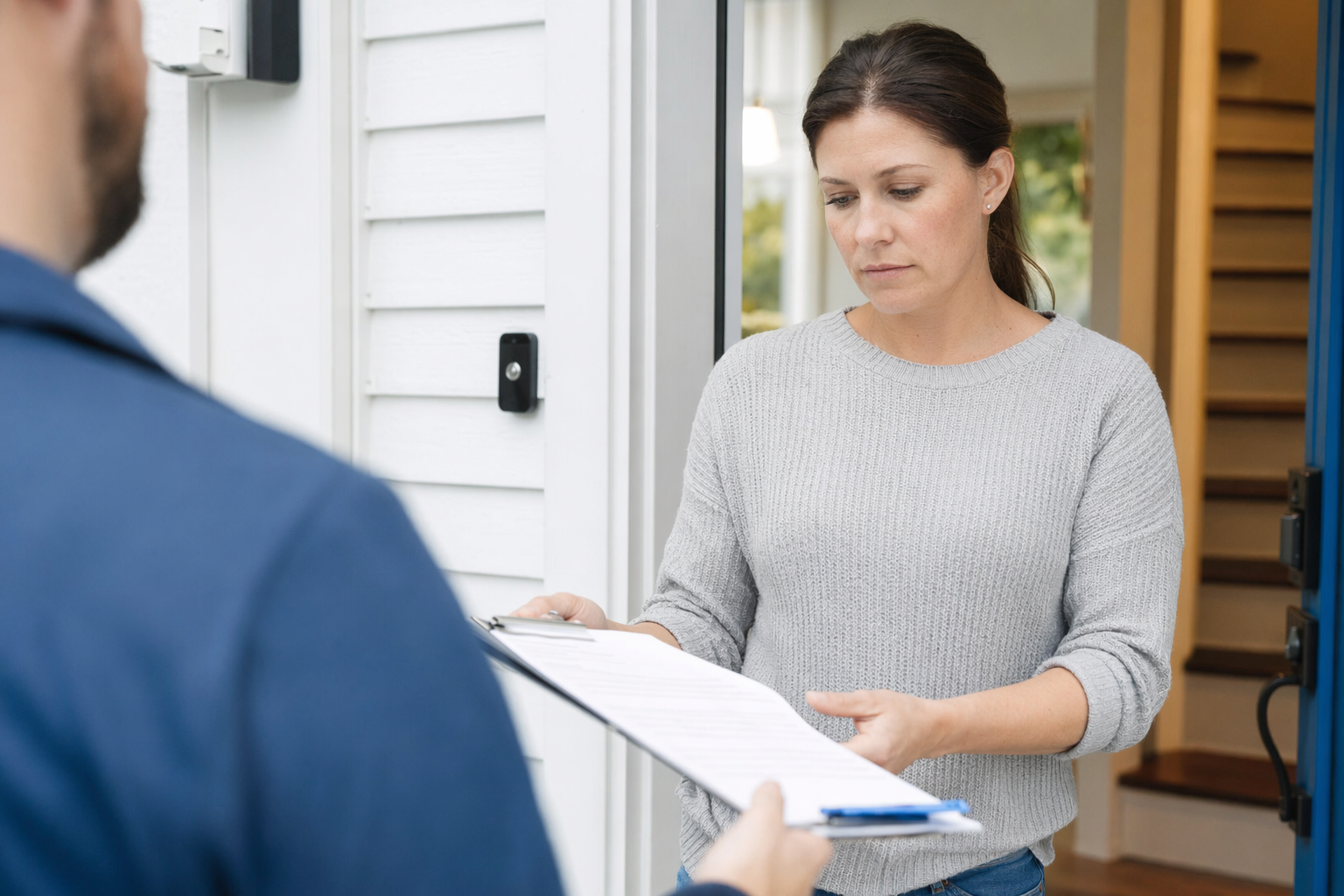
What to do right now if you think a plumber is overcharging
- If water is still flowing, shut off your water main first.
- If there is water near live electricity, or you smell gas, leave the area and call your local emergency number first.
- Ask for the price in writing before work starts. If they cannot explain the charge clearly, do not approve the job yet.
- Ask: Are you licensed and insured? What is the emergency service fee? What parts are needed? What is included?
- Do not let fear rush you into a very large repair without a clear reason, especially if the diagnosis changed suddenly.
- If possible, contact another licensed plumber for a second opinion, or use a free matching service like get matched to find nearby emergency help.
When people are stressed, scammers often use speed and fear. A calm, honest plumber should be able to explain the problem in plain words, tell you what is urgent now, and tell you what can wait.
The clearest scam warning signs
The most common warning sign is vague pricing. That means no written estimate, no clear emergency fee, no explanation of labor, parts, or what happens if the repair gets bigger. "We will see later" is not good enough before major work begins.
Another red flag is scare tactics. Examples: "Your whole house is about to be condemned," "You must replace everything today," or "Sign now or the price doubles in 10 minutes." Real emergencies do happen, but pressure is not proof.
Be careful with cash-only demands, refusal to show license or insurance, or a very low phone price that jumps sharply once they arrive. Also be cautious if someone wants you to authorize a full repipe, sewer replacement, or wall-opening work immediately without showing why.
In the US, licensing rules and who is responsible for a sewer line can vary by state, city, and utility area. That is one more reason to verify who you are hiring and get the scope in writing first.
- No written price before work
- Pressure to approve a huge repair immediately
- Cash-only or payment demanded up front for everything
- No license number, no proof of insurance
- Refuses to answer simple questions in plain language
What a fair emergency plumbing quote usually looks like
A fair quote does not have to be cheap, but it should be clear. Emergency plumbing often costs more at night, on weekends, or on holidays. The real total depends on the problem, the parts, the time of day, and your area. Ranges are not quotes.
In many areas, an emergency service call may start around $100 to $350. Common repairs like a leak repair, drain clearing, or replacing a shutoff valve may range from about $150 to $600 or more, depending on access and parts. Bigger jobs like water heater replacement, burst pipe repairs behind walls, or sewer line work can go much higher.
A trustworthy plumber should tell you what the initial fee covers, what repair they recommend now, what might cost extra, and whether there are lower-cost options to stop the immediate problem safely until a full repair can be scheduled. For more on typical ranges, see costs.
- Emergency hours usually cost more
- Parts and difficult access raise the price
- Ask what is urgent now vs. what can wait
- Get the total in writing before major work starts
Questions to ask before you say yes
You do not need technical words. Short, direct questions are enough. A good plumber should be able to answer them clearly, even if English is not your first language.
Ask for the company name, the technician's name, whether they are licensed and insured, the full price to do the work they are recommending right now, and what happens if they find more damage. Ask if there are options: a smaller emergency repair now and a larger repair later.
Also ask what you will owe if you decide not to proceed after the diagnosis. Some companies charge only the service call; others may add after-hours or diagnostic fees. That should be explained before work starts, not after.
- What is the emergency or diagnostic fee?
- What exact work is included in this price?
- Do you have a license number and insurance?
- Is this the full repair or a temporary fix?
- What could make the price increase?
How to protect yourself when you are in a hurry
Take a photo of the leak, clog, or water damage if you can do it safely. Save texts, estimates, invoices, and names. Written records help you compare options and slow down high-pressure sales tactics.
Do not sign a blank form or a form with missing prices. Do not rely only on a verbal promise. Before work starts, make sure the paper or text message says what they are doing and what you will pay for that work.
You stay in control. You can ask questions, decline a non-urgent upsell, or choose another plumber. Before final payment, confirm the work is done and ask for a receipt that matches what was agreed.
If you need help finding someone quickly, MainLine Match is a free matching service for households. We are not a plumbing company, and we do not perform plumbing work. We help connect people with licensed, insured, 24/7 emergency plumbers near them. You can also browse emergencies or guides for plain-language help.
What MainLine Match does — and does not do
MainLine Match is free for the household. We are a matching service, not a plumber, contractor, or repair company. We do not diagnose problems, perform plumbing work, set prices, or guarantee arrival time, cost, or results.
We collect only basic contact and problem details so we can help connect you: name, phone, optional email, problem type, ZIP code, and preferred language. We do not ask for bank account numbers, Social Security numbers, income details, or sensitive personal records.
If you want, you can get matched and then ask each plumber the same questions about license, insurance, fees, and written pricing before you hire anyone.
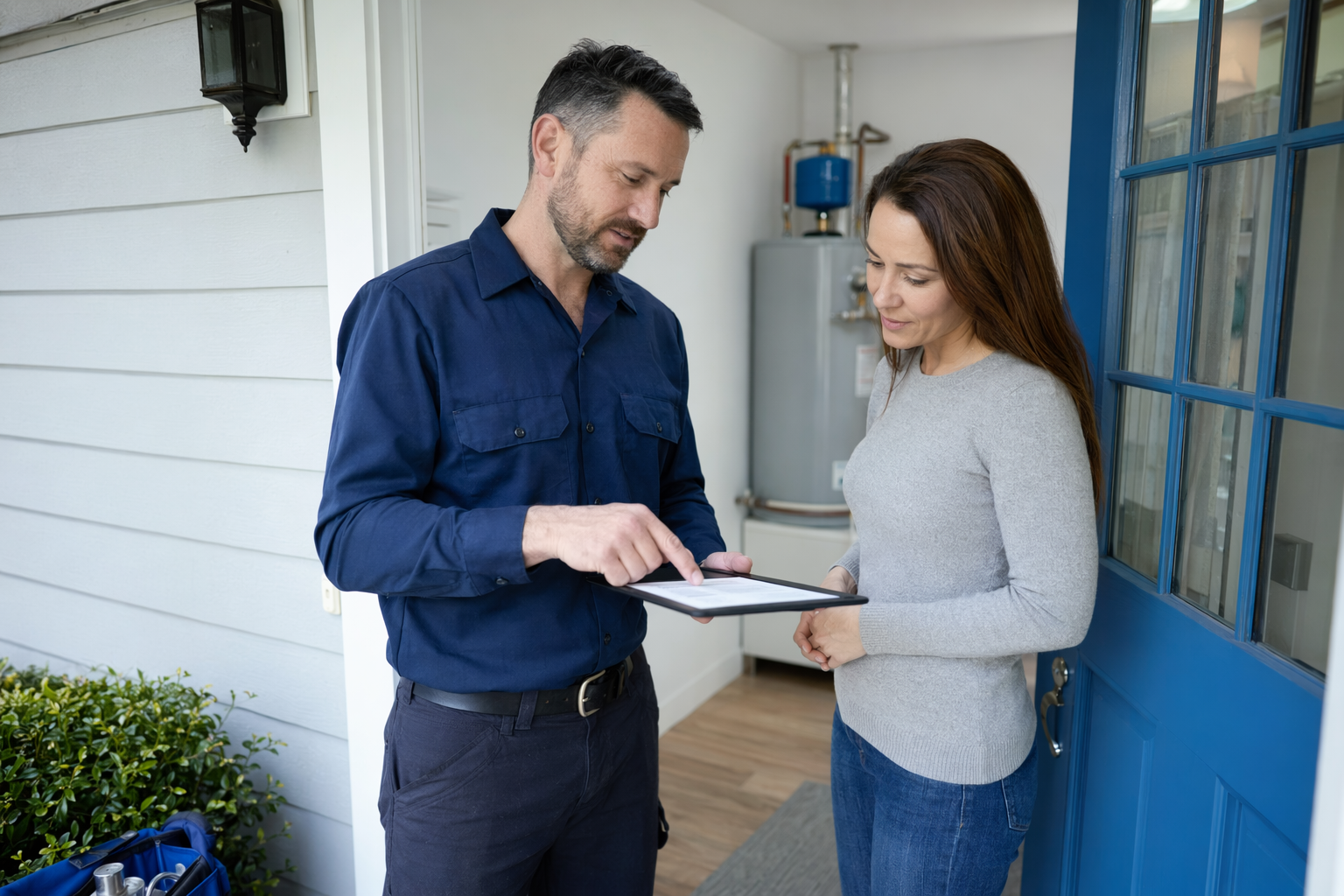
Shut off the water if needed, then do not approve major plumbing work without a clear written price, license and insurance proof, and a plain-language explanation.
Common questions
How do I know if a plumber is scamming me?
The biggest signs are vague or changing prices, pressure to approve expensive work immediately, cash-only demands, and refusal to show license or insurance. Ask for the price in writing before work starts.
Is it normal for emergency plumbing to cost more at night?
Yes. After-hours, weekend, and holiday calls often cost more. The amount varies by area, the problem, and the parts needed, so ask for the emergency fee and repair price clearly in writing.
Can a plumber ask for payment up front?
Some may charge a service call or diagnostic fee up front, especially for emergency visits. Be cautious if someone wants full payment in cash before doing major work and will not give a clear written scope.
Should I get a second opinion during a plumbing emergency?
If the immediate danger is controlled and the water is off, a second opinion can be smart before approving a very expensive repair. If active flooding is happening, focus first on stopping water and staying safe.
What if English is not my first language?
Use simple questions and ask for everything in writing. A trustworthy plumber should be able to explain the problem and cost clearly, and MainLine Match can help connect you based on your preferred language.
What information does MainLine Match need?
Only basic contact and problem details: name, phone, optional email, problem type, ZIP code, and preferred language. MainLine Match is free for households and is not a plumbing company.